
Advice
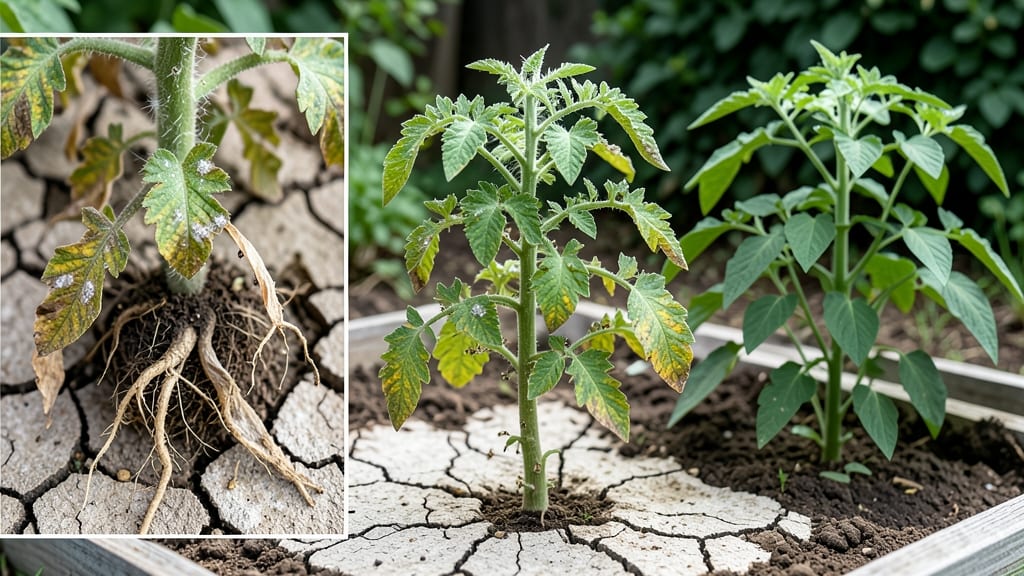
When your tomato plant has stopped growing, don’t panic—it’s often fixable with simple checks that take less than 10 minutes. 🌱 I’ve revived more stalled tomato plants than I can count by addressing just three common issues: sunlight deprivation, hidden pests, or nutrient starvation.
The key is observing what’s different now compared to when it was thriving.
Most stalled growth comes down to one of these three culprits: insufficient light (especially in cloudy weather), root-bound pots, or a lack of nitrogen. I once had a plant that looked fine until I noticed the lower leaves yellowing—turns out, it needed a 5-10-10 fertilizer boost and more afternoon sun.
Even container-grown tomatoes can outgrow their space, so check those roots if your plant’s been in the same pot for months.
By the end of this guide, you’ll know exactly what your plant needs—whether it’s pruning for better airflow, a deep watering, or a simple soil test.
The best part? You’ll spot the early warning signs next time, so you can act before growth stalls again. Let’s get those vines climbing once more.
This works for backyard gardens, raised beds, and even container tomatoes. The same principles apply whether you’re dealing with a single plant or a whole row—just scale the solutions. Here’s how to diagnose and fix it step by step.
Why it happens
When your tomato plant hits a sudden growth pause, it’s usually sending a clear (but silent) SOS. Understanding the why behind the stall is the first step to revival.
Below, we break down the most common culprits—each with a scientific twist and actionable fixes to get your plant back on track.
🌱 Insufficient Light Exposure
Tomatoes are light-hungry plants, craving 6–8 hours of direct sunlight daily. When deprived, they conserve energy by stunting growth, prioritizing survival over expansion. Look for these telltale signs:
- Leggy stems (long, weak, and stretched toward light sources)
- Pale or yellowing leaves (chlorosis from poor photosynthesis)
- Slow or no flowering (energy diverted to basic functions)
Why it happens: Chlorophyll production drops under low light, limiting energy (glucose) for growth. Without enough light, the plant can’t fuel cell division in stems and leaves.
💧 Overwatering or Poor Drainage
Tomatoes despise soggy roots. Overwatering suffocates roots by cutting off oxygen, while poor drainage leads to root rot (a fungal infection that gums up nutrient uptake). Stalled growth is the plant’s way of saying, “I can’t breathe!”
- Yellowing lower leaves (first sign of root stress)
- Wilted leaves that don’t perk up (even when watered)
- Mushy, blackened roots (if you inspect the soil)
Why it happens: Roots rely on oxygen for respiration (like us breathing!). Waterlogged soil displaces oxygen, forcing roots to “hibernate” and halting growth hormones like auxin, which drives stem elongation.
🍽️ Nutrient Deficiencies or Imbalance
Tomatoes are heavy feeders, and a lack of key nutrients acts like a growth brake. The most critical deficiencies include:
| Nutrient | Deficiency Signs | Why It Stalls Growth |
|---|---|---|
| Nitrogen (N) | Pale green or yellow leaves (starting at the bottom) | Nitrogen fuels leaf and stem growth. Without it, the plant can’t produce enough chlorophyll or proteins for cell expansion. |
| Phosphorus (P) | Dark green leaves with purple stems; slow root development | Phosphorus is crucial for energy transfer (ATP) and root growth. A deficit means the plant can’t allocate resources to new shoots. |
| Potassium (K) | Yellowing leaf edges (scorched look); weak stems | Potassium regulates water and nutrient movement. Low levels cause cellular dehydration, stunting growth and making stems brittle. |
| Magnesium (Mg) | Interveinal yellowing (between leaf veins) | Magnesium is the center of chlorophyll. Without it, photosynthesis grinds to a halt, starving the plant of energy. |
Pro tip: 💡 Conduct a simple soil test (or use a DIY kit) to identify deficiencies before guessing. Over-fertilizing can also harm roots—balance is key!
🌡️ Temperature or Heat Stress
Tomatoes thrive in 70–85°F (21–29°C) but shut down growth when temperatures swing outside this range. Extreme heat or cold disrupts:
- Enzyme activity (growth hormones like gibberellins become inactive)
- Water uptake (roots struggle to absorb moisture in heat or cold)
- Photosynthesis (stomata close to conserve water, reducing CO₂ intake)
Why it happens: Heat stress triggers abscisic acid (a plant hormone that promotes dormancy), while cold slows metabolic processes. Both scenarios force the plant into “survival mode,” halting non-essential functions like stem elongation.
🐛 Pest or Disease Pressure
Hidden pests (like aphids, spider mites, or root-knot nematodes) or diseases (early blight, fusarium wilt) siphon energy from your tomato, leaving it too weak to grow. Watch for:
- Sticky residue (aphid honeydew)
- Webbing (spider mites)
- Wilting despite watering (vascular diseases blocking water transport)
- Holes or chewed leaves (caterpillars or beetles)
Why it happens: Pests and pathogens damage plant tissues and disrupt nutrient transport. The plant diverts resources to repair and defense (e.g., producing antifungal compounds), leaving no energy for growth.
Revive Your Stalled Tomato Plants
When your tomato plant hits a growth standstill, it’s time to roll up your sleeves and take action! The good news? Most issues are fixable with a few targeted tweaks.
Below, we’ll break down practical solutions for each common cause—plus prevention tips to keep your plants thriving. Let’s get growing again!
Signs: Leggy stems, pale leaves, or slow growth despite regular watering. Why it happens: Tomatoes are sun-hungry! Without enough light (6–8+ hours daily), they conserve energy by stunting growth.
How to Fix It: 🔥 Move your plant to a sunnier spot immediately—even a few extra hours of sunlight can make a difference. 🍳 Use reflective surfaces (like white walls or mirrors) to bounce light onto shaded areas. 👨🍳 Supplement with grow lights (LED or fluorescent) if outdoor space is limited. Place them 6–12 inches above the plant for 12–16 hours/day. 🥘 Prune lower leaves blocking sunlight from reaching the stem and fruit clusters.
Prevention Tips: ✔ Plant in the sunniest spot in your garden—tomatoes will outgrow shade. ✔ Avoid tall plants or structures casting shadows over your tomatoes. ✔ Monitor cloudy days—extend light exposure if skies stay overcast for weeks.
Signs: Wilting leaves, dry soil, or growth stopping midday. Why it happens: Overwatering or underwatering stresses plants, halting nutrient uptake and growth.
How to Fix It: 🌡️ Check soil moisture—stick your finger 1–2 inches deep. If dry, water deeply until it drains from the bottom. If soggy, hold off until the top inch feels dry. 📊 Water at the base (not leaves) in the morning to reduce evaporation and fungal risks. 💪 Use mulch (straw, grass clippings, or shredded leaves) to retain moisture and regulate soil temperature. 🎯 Adjust frequency—young plants need water every 1–2 days; mature ones may go 2–3 days between waterings.
Prevention Tips: ✔ Group tomatoes with similar water needs (like peppers) to streamline care. ✔ Avoid wetting foliage—this encourages blight. Use drip irrigation or a soaker hose. ✔ Watch for yellowing leaves—a classic sign of overwatering or poor drainage.
Signs: Crispy leaf edges, slow growth despite good light/water, or stunted new leaves. Why it happens: Tomatoes thrive in 60–85°F soil and air temps. Extreme heat, cold snaps, or poor soil can shock growth.
How to Fix It: 🔥 Shade cloth (30–50%) can protect from scorching afternoon sun in hot climates. 🍳 Move potted tomatoes to a sheltered spot if night temps drop below 50°F. 👨🍳 Amend heavy or compacted soil with compost, perlite, or coconut coir to improve aeration and drainage. 🥘 Fertilize lightly with a balanced 10-10-10 or tomato-specific feed if soil is nutrient-poor.
Prevention Tips: ✔ Test your soil (pH 6.0–6.8 is ideal). Adjust with lime (to raise pH) or sulfur (to lower it). ✔ Plant after the last frost—tomatoes are frost-sensitive! ✔ Use black plastic mulch in cool climates to warm the soil faster.
Signs: Chewed leaves, sticky residue, spots, or wilting despite care. Why it happens: Aphids, whiteflies, or fungal diseases (like early blight) sap energy, stalling growth.
How to Fix It: 🔪 Inspect leaves daily—remove pests by hand or spray with neem oil (mix 1 tbsp neem oil + 1 tsp mild soap + 1 quart water). 🍳 Prune infected leaves immediately and dispose of them (don’t compost!). 👨🍳 Apply copper fungicide if you spot spots or mold. Reapply every 7–10 days as needed. 🥘 Encourage beneficial insects like ladybugs or lacewings by planting marigolds nearby.
Prevention Tips: ✔ Rotate crops—don’t plant tomatoes in the same spot yearly to prevent soil-borne diseases. ✔ Space plants 18–24 inches apart for airflow (reduces humidity, which fuels fungi). ✔ Water early in the day so foliage dries quickly, deterring fungal growth.
Pro Tip: 💡 Combine fixes! If your plant is underwatered and shaded, tackle both at once. Often, a little TLC in multiple areas sparks rapid regrowth.
With these targeted fixes, your tomato plant should bounce back in 7–14 days. Keep an eye on progress, and soon you’ll be harvesting juicy, homegrown tomatoes! 🍅🌿
Frequently asked questions
Why did my tomato plant suddenly stop growing after flowering?
This is often caused by a nutrient shift needed for fruit production. When tomatoes flower, they demand more phosphorus and potassium while reducing nitrogen to prioritize fruit over foliage growth. Switch to a 5-10-10 or tomato-specific fertilizer to support flowering and fruiting. Also check for blossom end rot (calcium deficiency) which can occur when calcium uptake is disrupted during rapid growth changes.
Can I still save my tomato plant if the stems feel weak and brittle?
Yes, but act fast! Weak stems usually indicate potassium deficiency or root stress from overwatering. Strengthen your plant by:
- Applying a potassium-rich fertilizer (like wood ash or banana peel tea)
- Ensuring proper drainage (water only when top 1-2 inches of soil are dry)
- Staking or caging the plant immediately to support weak stems With these fixes, you should see firmer stems in 5-7 days.
Is it normal for tomato plants to stop growing in hot weather?
Tomatoes often pause growth when temperatures exceed 90°F (32°C) as a survival mechanism. The plant conserves water by reducing leaf expansion and new stem growth. To help:
- Use shade cloth (30-50%) during peak afternoon sun
- Water deeply in the morning to encourage root growth
- Mulch heavily to keep roots cool Growth typically resumes when temps drop below 85°F (29°C).
My container-grown tomato plant stopped growing—could it be root-bound?
Very likely! Container tomatoes often outgrow their pots, causing root circling that restricts nutrient and water uptake. Check by gently removing the plant—if you see roots circling the bottom or growing out of drainage holes, it's time to:
- Repot into a 5-gallon container minimum
- Use fresh well-draining potting mix
- Trim any circled roots before replanting You should see new growth within 7-10 days of repotting.