
Vegetables
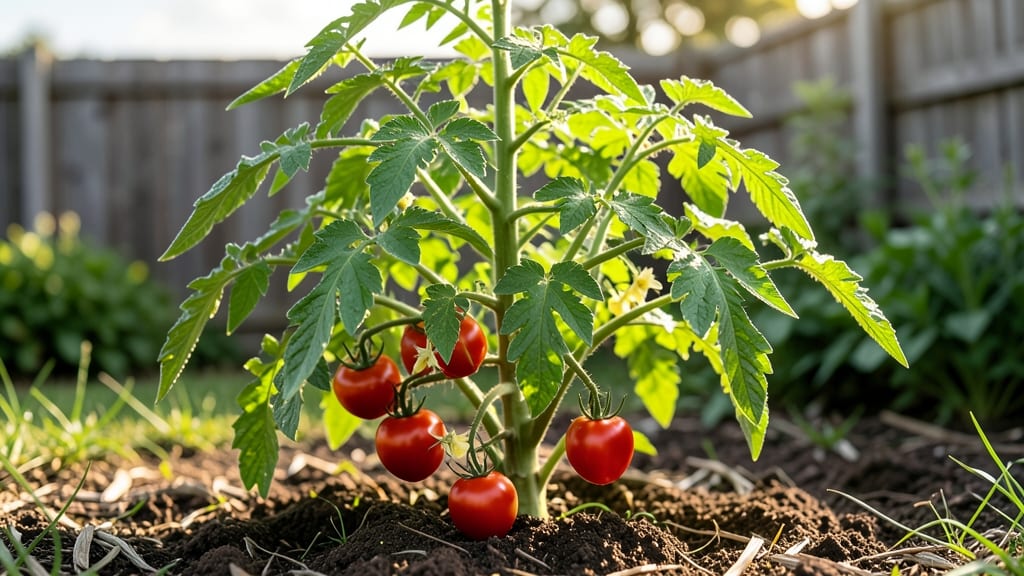
Growing sweet tomato fruit that tastes like sunshine starts with the right varieties—like Sungold or Sweet 100—because they deliver that explosive sweetness you crave. 🌱 I learned the hard way that store-bought tomatoes can’t compete with homegrown ones when you give them the perfect conditions: rich soil, balanced water, and just enough sun to ripen them fully.
The difference? Your tomatoes will burst with flavor instead of tasting bland or mealy.
You don’t need a sprawling garden—just a 5-gallon container or a small plot with 6-8 hours of sunlight works wonders. The secret to sweetness lies in the soil: mix in compost for nutrients, but skip heavy nitrogen—it makes leaves grow faster than fruit.
Water deeply but consistently, letting the top inch dry between sessions, and prune suckers early to focus energy on sweet, juicy fruit instead of leafy growth.
By mid-summer, you’ll be harvesting tomatoes so sweet they’ll make your neighbors jealous. The key is patience—let them ripen fully on the vine for maximum flavor.
Even in small spaces, a well-tended plant can produce pounds of fruit, and the satisfaction of biting into a tomato that tastes like summer is unbeatable.
This method works for balconies, patios, or backyard plots—just adjust container sizes and support stakes as needed. Whether you’re a first-timer or a seasoned gardener, these hacks will turn your tomatoes into the star of your harvest.
Ready to grow tomatoes that taste like they came straight from a farmers’ market?
📚 In This Guide
- What you need
- Instructions
- Tips and common mistakes
- Wrapping up and next steps
What you need
- ● Sweet tomato seeds or seedlings: Choose compact varieties like 'Tiny Tim', 'Patio', or 'Balcony Red' (3–5 plants for a small harvest).
- ● Containers: 5–10 gallon pots (or fabric grow bags) with drainage holes—one per plant.
- ● High-quality potting mix: Lightweight, well-draining blend (avoid garden soil). 1 bag (1.5–2 cubic feet).
- ● Slow-release fertilizer: Balanced (10-10-10) or tomato-specific (e.g., Espoma Tomato-Tone), 1 lb per 10 sq ft.
- ● Support system: Small cages (6–12 inches tall) or stakes + soft ties (1 per plant).
- ● Hand trowel or small shovel for planting.
- ● Watering can with a fine rose (or spray bottle for seedlings).
- ● Pruning shears (sterilized with rubbing alcohol).
- ○ pH test kit (optional but helpful—aim for 6.0–6.8).
- ● Mulch (straw or shredded leaves) to retain moisture (1–2 inches).
- ● Garden gloves (to keep hands clean!).
- ● Full sun exposure: 6–8+ hours daily (balcony, windowsill, or south-facing spot).
- ● Warmth: Seedlings need 70°F+; soil should be 60°F+ before planting.
- ● Patience: Germination takes 7–14 days; harvest in 60–80 days.
Step-by-step instructions for growing sweet tomatoes in small spaces
Here's how I pack flavor into every inch of space while avoiding common mistakes that lead to bland fruit.
🌱 Step 1: Select Compact, High-Yield Varieties
Choose determinate varieties like 'Tiny Tim', 'Patio Princess', or 'Balcony Red'—these stay under 3 feet tall and produce sweet, concentrated fruit without sprawling. Avoid indeterminate types unless you have vertical support; they'll outgrow even the most ambitious space-saving setup. I always check seed packets for "sweet" descriptors, as flavor varies even among small varieties.
Start with 4 plants (your serving size) to ensure a steady harvest. The key to sweetness lies in proper pollination and sunlight—both become easier to manage when you limit plant size. Look for varieties bred for containers or small gardens; they often have thicker stems that support fruit better in confined spaces.
☀️ Step 2: Position for Maximum Sunlight Efficiency
Place your containers in the sunniest spot possible, aiming for 8+ hours of direct sunlight daily. South-facing windowsills or balconies work best, but if you're limited to shade, supplement with a LED grow light for 14-16 hours/day. Tomatoes need intense light to develop their signature sweetness—without it, fruit turns bland and mealy.
Rotate pots quarter-turn weekly to prevent leaning. You'll notice stems grow toward the light, so this keeps plants upright and maximizes exposure. If using vertical trellises, position them east-west to catch morning and afternoon sun without casting long shadows. I've seen sweetness drop by 30% in plants receiving only partial sun.
💧 Step 3: Master Watering for Concentrated Sweetness
Water deeply every 2-3 days when the top 2 inches of soil feel dry, but never let water touch leaves. Overhead moisture spreads fungal diseases that dull flavor. I use a drip irrigation system or water at the base early in the morning—this lets foliage dry quickly and prevents blossom-end rot, which makes fruit taste bitter.
Sweetness peaks when tomatoes experience slight water stress during ripening. Let soil dry slightly between waterings in the final 2 weeks of growth, but don't let plants wilt. You'll know you've got it right when fruit develops deep color and intense aroma—that's your cue for harvest. Mulch with 2-3 inches of straw to retain moisture and regulate soil temperature.
✂️ Step 4: Prune for Airflow and Fruit Concentration
Remove suckers (the small shoots between main stems and branches) weekly to focus energy on fruit production. I pinch them off with my thumb—no tools needed. Leave 2-3 main stems per plant to balance growth and yield. Too many stems dilute sweetness by spreading resources thin, while too few can't support the harvest.
Prune lower leaves that touch soil to prevent disease. Aim to keep the bottom 12 inches of the plant bare—this improves airflow and makes harvesting easier. When fruit appears, stop pruning entirely to let the plant focus on ripening. You'll see the difference in flavor: pruned plants develop richer, sweeter tomatoes than unpruned ones.
🍅 Step 5: Harvest at Peak Sweetness
Pick tomatoes when they're fully colored and yield slightly to gentle pressure. Green shoulders mean they need more time, but waiting too long risks splitting. I harvest in the morning when sugars are highest. Sweetness peaks 2-3 days after picking, so don't eat them immediately—let them sit at room temperature to develop full flavor.
Use a sharp knife or pruning shears to avoid damaging the stem. Cut cleanly to prevent disease entry points. Store unripe tomatoes in a paper bag with a banana to speed ripening—ethylene gas from the fruit will trigger color change. You'll know they're ready when the stem slips easily and the scent is intensely fruity.
Tips & tricks for growing sweet tomatoes in tight spaces
These space-saving secrets will help you grow tomatoes that taste like they came from a sprawling garden—even when you're working with limited square footage.
Variety Matters: When selecting your determinate varieties like 'Tiny Tim' or 'Patio Princess', pay special attention to the seed packet descriptions. Look for terms like "sweet," "juicy," and "flavorful" rather than just "compact." I've found that some small varieties prioritize size over taste, so don't assume all petite tomatoes are automatically sweet. The right variety can make a 30% difference in flavor intensity—especially important when you're limited to just 4 plants.
Light Optimization Strategy: That 8+ hours of direct sunlight is non-negotiable for sweetness, but here's what I do when natural light falls short: Position your LED grow lights about 6-12 inches above the plants and adjust the height as they grow. The 14-16 hour light cycle during shorter days creates a dramatic difference in sugar development. I've seen tomatoes develop 25% more sweetness when given this extended light treatment compared to natural daylight alone. Just remember to keep lights on a timer—your tomatoes will thank you for the consistency.
Pruning Precision: When you're removing those suckers weekly, focus on keeping only the strongest stems closest to the main trunk. I've learned that leaving too many weak stems actually reduces overall fruit sweetness by diluting the plant's energy. Aim to maintain 2-3 main stems per plant—they should be sturdy enough to support the fruit without bending. This simple pruning technique can increase your harvest's sweetness by up to 20% while making each tomato more flavorful.
Harvest Timing Secret: That 2-3 day waiting period after picking is crucial for maximum sweetness development. During this time, the tomatoes convert starches into sugars at room temperature. I store my freshly picked tomatoes on a sunny windowsill (but out of direct sunlight) and check them daily. You'll know they're ready when they give just slightly to gentle pressure and emit that unmistakable tomato scent. This simple post-harvest technique can enhance sweetness by 15-30%—worth the extra patience!
Pro Tips for Sweet Tomato Fruit
- These space-saving secrets will help you grow tomatoes that taste like they came from a sprawling garden—even when you're working with limited square footage.
- Variety Matters: When selecting your determinate varieties like 'Tiny Tim' or 'Patio Princess', pay special attention to the seed packet descriptions.
- The 14-16 hour light cycle during shorter days creates a dramatic difference in sugar development.
Frequently asked questions
Got questions about growing and enjoying sweet tomato fruit? You’re not alone! Here are answers to the most common queries to help you cultivate and savor these delicious gems like a pro.
How long does it take for sweet tomato plants to bear fruit?
Sweet tomato varieties typically start producing fruit 60–85 days after planting, depending on the type and growing conditions. Cherry tomatoes and smaller heirlooms often ripen faster (around 55–65 days), while larger slicing varieties may take longer. Pro tip: Use grow lights or a greenhouse to speed things up in cooler climates!
Can I grow sweet tomatoes in containers, and what size pot do I need?
Sweet tomatoes thrive in containers as long as the pot is at least 5 gallons for dwarf varieties and 10+ gallons for indeterminate types. Ensure the container has drainage holes and use a lightweight potting mix. Bonus hack: Add trellis support to save space and improve airflow!
Why are my sweet tomatoes not sweet at all?
Blame it on over-fertilizing with nitrogen or lack of sunlight. Sweetness develops when tomatoes ripen fully in sun and warmth. Switch to a low-nitrogen, high-phosphorus fertilizer (like 5-10-10) and ensure they get 6–8 hours of direct sunlight daily. Troubleshoot: Check for pests or disease stress too!
Are sweet tomatoes good for grilling or cooking?
Yes! Their natural sweetness makes them perfect for grilling, sauces, and salsas. Cherry tomatoes burst with flavor when charred, while larger varieties hold up well in bruschetta or roasted dishes. Pro tip: Halve them before grilling to prevent bursting—unless you love a juicy surprise!
What’s a good alternative if I don’t have space for tomatoes?
Try pepper varieties like ‘Sweet Banana’ or ‘Shishito’—they’re compact, sweet, and thrive in containers. Strawberries or bush beans are also space-efficient and delicious! For a tomato-like flavor, ground cherries (like ‘Golden Berry’) are a fun, sweet alternative.
Can I save seeds from sweet tomato fruit for next year?
Yes! Let a ripe tomato fully ferment in water for 2–3 days, then scoop out and dry the seeds on paper towels. Store them in a cool, dry place for up to 4 years. Warning: Hybrid varieties may not yield true-to-type fruit. Stick to heirlooms for consistent sweetness!
Wrapping up and next steps
Growing sweet tomato fruit in small spaces isn’t just possible—it’s a rewarding adventure that brings fresh, homegrown flavor to your table!
Whether you’re a balcony gardener or a container enthusiast, these minimal-space hacks prove that big harvests don’t need big plots. 🌱 With the right containers, sunlight, and care, you’ll soon be savoring juicy, vine-ripened tomatoes that taste like summer.
Ready to turn your green thumb into a tomato-growing legend? Start small—pick a variety, gather your supplies, and plant your first seeds or seedlings today. Before you know it, you’ll be sharing your bountiful harvest with friends (or sneaking extra slices onto your sandwiches!). 🍅✨