
How To
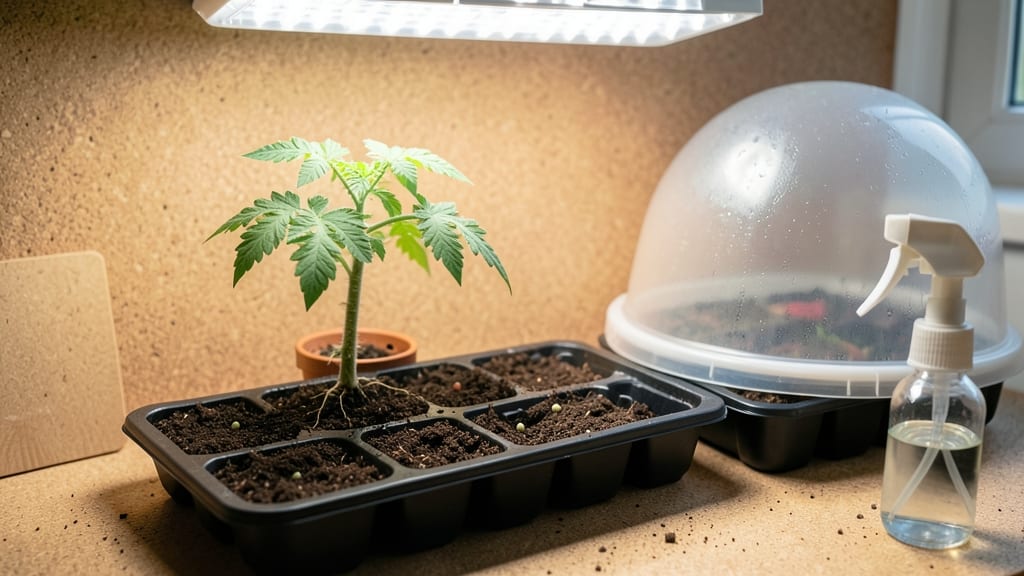
Starting tomato seeds indoors in Ohio means timing them for a late April frost—too early, and you’ll drown in leggy seedlings by May; too late, and your harvest arrives when the heat sets in.
Ohio gardeners know timing is everything—plant tomato seeds too early, and you’ll waste precious growing time; too late, and frost will ruin your harvest. Mastering the perfect indoor starting window ensures robust seedlings ready for Ohio’s unpredictable spring transitions.
Most Ohio gardeners should begin seeds in early February, but your exact date depends on your variety’s maturity and whether you’re in northern or southern Ohio. A 6-8 week indoor head start is key to avoiding those late-spring surprises.
Below, I break down the ideal start dates, how to adjust for Ohio’s microclimates, and the one trick that keeps seedlings strong until transplant time—no guesswork, just perfect timing.
Ohio’s frost dates & tomato seed starting timeline by variety type
Ohio’s last frost dates typically range from April 15 in southern regions to May 15 in northern areas, making precise timing critical for tomato success.
Since tomatoes need 60–90 days to mature after transplanting, your indoor starting window depends on both your last frost date and the tomato variety’s maturity. Heirloom tomatoes often take 90–120 days, while hybrids may mature in 60–80 days, requiring earlier starts.
For Ohio gardeners, this means starting seeds indoors as early as late January for northern regions or early February for southern Ohio. The key is aligning your seedling’s age with your transplant-ready date, which is 2–4 weeks after your last frost.
Use this timeline to avoid leggy seedlings or late-season frost damage.
Northern Ohio (e.g., Cleveland, Toledo): Aim for a May 15 last frost and start seeds 8–10 weeks earlier (early March). Southern Ohio (e.g., Columbus, Cincinnati): Target a April 15 last frost and start seeds 6–8 weeks earlier (late January–early February).
Your tomato variety’s maturity is the most critical factor after frost dates. Early-season hybrids like ‘Early Girl’ (60–65 days) can start as late as mid-February, while heirlooms like ‘Brandywine’ (85–90 days) need an early start by January 15.
Always check seed packets for days to maturity and subtract 60–90 days from your last frost date to find your ideal start window.
Ohio’s unpredictable spring weather means you should also account for a 1–2 week buffer. If your area has a history of late frosts (e.g., northern Ohio), err on the side of starting seeds 2 weeks earlier.
Use a seedling heat mat to speed up germination if your home is cool, or supplement with grow lights to prevent leggy seedlings.
For determinate varieties (bush tomatoes), you can push the transplant date slightly later since they mature faster. Indeterminate varieties (vining tomatoes) need more time to establish roots before Ohio’s summer heat arrives.
If you’re using a high tunnel or cold frame, you can extend your season by 2–3 weeks, allowing for a later transplant.
Pro tip: Mark your transplant date on your calendar and count backward from there. For example, if your last frost is May 1 and you’re growing ‘Sungold’ tomatoes (70 days), start seeds by February 20.
This ensures your seedlings are 6–8 weeks old and robust enough for the garden.
Ohio’s short growing season demands precision, but with this timeline, you’ll avoid the two biggest mistakes: overcrowded seedlings from starting too early or stunted plants from starting too late. Adjust for your specific microclimate—urban areas may warm up faster, while rural spots might stay cooler longer.
Once you’ve nailed your start dates, focus on seedling care to ensure strong, healthy plants. Use well-draining seedling mix, provide 14–16 hours of light, and harden off seedlings for 7–10 days before transplanting.
With this timeline, you’ll be harvesting homegrown tomatoes by early July—just in time for Ohio’s summer BBQ season!
Step-by-step guide: when to start tomato seeds indoors in Ohio (with Ohio-specific tips)
Ohio’s short growing season demands precision when starting tomato seeds indoors. For most regions, aim to plant seeds 6–8 weeks before your last frost date—typically between early February and mid-March.
Northern Ohio gardeners should start earlier (late January), while southern Ohio can wait until early March. This timing ensures seedlings reach 4–6 inches tall with 4–6 true leaves before transplanting outdoors.
Ohio’s unpredictable spring weather adds complexity. If you’re using cold frames or high tunnels, extend your window by 2–3 weeks—start seeds in late January for a mid-April transplant.
However, avoid starting too early; overcrowded seedlings or damping off become risks in Ohio’s damp basements. Balance timing with your indoor space and light availability.
Ohio Tomato Seed Starting Timeline
- 6–8 Weeks Before Last Frost (Early Feb–Mid-Mar): Sow seeds in seedling trays with sterile potting mix. Keep soil at 70–80°F for germination.
- 3–4 Weeks After Germination (Late Feb–Early Mar): Provide 12–16 hours of grow lights daily. Rotate trays weekly to prevent leggy seedlings.
- 2 Weeks Before Transplant (Late Apr–Early May): Harden off seedlings by reducing water and exposing to outdoor temps for 2–3 hours daily.
- After Last Frost (Mid–Late May): Transplant outdoors with buried stems for stability. Use mulch to retain moisture.
Ohio gardeners often struggle with leggy seedlings due to limited winter sunlight. Place trays under grow lights within 2–4 inches of seedlings and keep lights on for 14–16 hours daily.
If using a south-facing window, supplement with a reflective surface to maximize light. Rotate trays daily to ensure even growth.
Another common mistake is overwatering during Ohio’s humid springs. Let soil dry slightly between waterings—bottom-watering prevents fungal diseases like damping off. Use well-draining seedling mix with perlite or vermiculite to avoid soggy roots. Fertilize lightly with fish emulsion once seedlings develop 2 true leaves.
For heirloom varieties with 90–120 day maturity, start seeds by February 1st in Northern Ohio or February 15th in Southern Ohio. Hybrids (60–75 days) can wait until late February.
Always adjust for your specific last frost date—check your local USDA zone (Ohio ranges from 5b to 6b) for precision.
If Ohio’s spring surprises you with a late frost, delay transplanting until soil temps reach 55°F. Use row covers or cloches to protect seedlings. Monitor weather forecasts and have a backup plan—container gardening extends your season if ground planting isn’t safe.
With the right timing, you’ll enjoy homegrown tomatoes from July through October! 🍅