
Vegetables
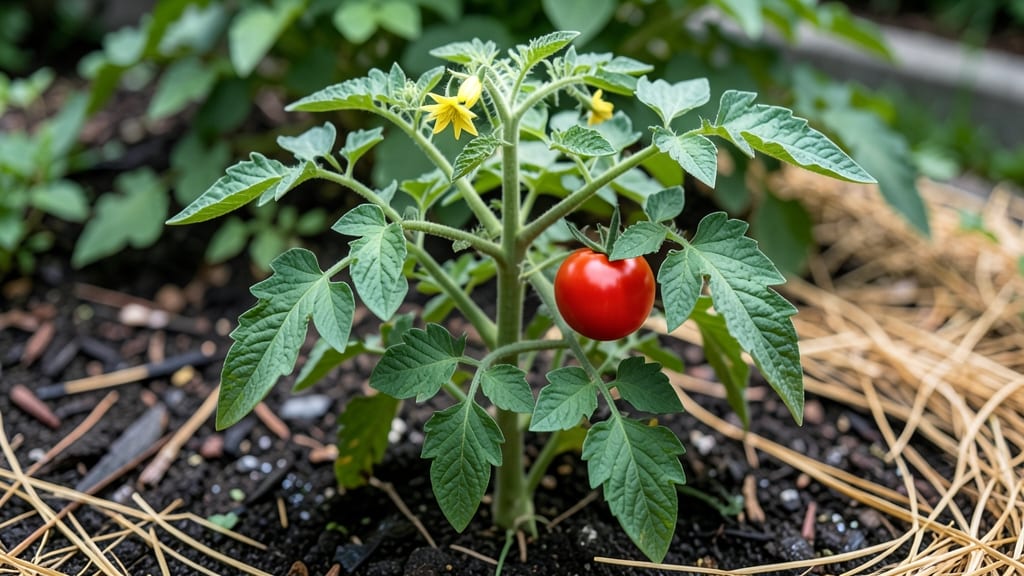
Determining whether an Early Girl tomato is determinate or indeterminate reveals it's a determinate variety, producing all its fruit simultaneously in a compact bush shape rather than continuously over time like vine varieties.
The Early Girl tomato's determinate nature means it grows as a self-contained bush, typically reaching 3-4 feet tall with a spread of 2-3 feet. This growth habit makes it perfect for gardeners with limited space or those who prefer a single, abundant harvest rather than a prolonged yield.
The plant's natural maturity signal—often visible through yellowing leaves—helps gardeners time their harvest precisely, usually within a 2-3 week window once the first tomatoes appear.
Unlike indeterminate varieties that climb and produce fruit continuously, Early Girl's compact structure requires minimal staking and thrives in containers. This makes it ideal for urban gardens or small plots where space is at a premium. 🌱 The trade-off?
While you won’t get a steady supply throughout the season, the concentrated harvest period means you can enjoy fresh tomatoes for canning, sauces, or eating straight from the vine all at once.
💡 In This Article
- How Determinate Early Girl Tomatoes Grow Differently
- Best Planting and Harvesting Tips for Early Girl Tomatoes
How determinate Early Girl tomatoes grow differently
Determinate tomatoes like Early Girl grow as self-contained bushes because they possess a genetic trait called "terminal budding." This means their main stem ends in a flower cluster that develops into fruit, while lateral branches sprout below it.
Unlike their indeterminate cousins, these plants don't keep growing taller—they naturally stop at 3-4 feet, with a spread of 2-3 feet, creating a perfect compact shape for small gardens or containers. 🌱 The bush structure also means they develop a stronger stem base to support their concentrated fruit load, typically producing 6-10 pounds of tomatoes in a single harvest.
The synchronized fruiting happens because determinate varieties bloom all at once, triggered by day length changes. When the plant reaches maturity, it sends a chemical signal (ethylene gas) that causes the terminal bud to flower simultaneously across the entire plant.
This creates the "all-at-once" harvest window that lasts just 2-3 weeks. In contrast, indeterminate tomatoes produce flowers continuously at the tips of new growth, leading to staggered fruiting.
The Early Girl's bush habit also means its leaves turn yellow and die back after fruiting, signaling the plant's natural end-of-season cycle.
This growth pattern offers gardeners precise timing advantages. Since determinate varieties mature quickly—often in 60-70 days from transplant—you can plan your harvest schedule around other seasonal activities.
The compact structure also makes them ideal for trellising with minimal support (just a small cage or stakes), unlike indeterminate vines that need 6-8 feet of vertical space.
The trade-off is that you won't get continuous production, but the concentrated harvest makes Early Girl perfect for canning batches or making fresh sauces all at once.
One key difference lies in their root systems. Determinate varieties develop a more extensive, shallow root network that spreads outward to support the bush's weight and fruit load. This makes them slightly more drought-tolerant than indeterminate types, though both need consistent moisture.
The bush structure also means you can plant them 18-24 inches apart in rows, compared to the 3-4 feet spacing needed for indeterminate vines. This space efficiency is why Early Girl thrives in urban gardens and containers, where vertical space is limited.
What most gardeners don't realize is how the plant's internal clock affects fruiting. Determinate tomatoes use a process called "photoperiodism" to time their flowering—when day lengths shorten in late summer, they trigger the terminal bud to flower.
This is why Early Girl's harvest typically occurs in late July to early August in most growing zones. The plant's ability to concentrate all its energy into a single fruiting cycle makes it one of the most reliable early-season producers, earning its name.
For visual learners, imagine two tomato plants side by side: the Early Girl's bush would look like a neatly pruned shrub with all its flowers opening simultaneously, while an indeterminate vine would resemble a sprawling vine with flowers appearing continuously at the tips.
The difference isn't just in appearance—it's in how the plant allocates its energy resources. Determinate varieties focus everything on that one big harvest, while indeterminate types spread their energy across multiple fruiting cycles throughout the season. 🌿