
Vegetables
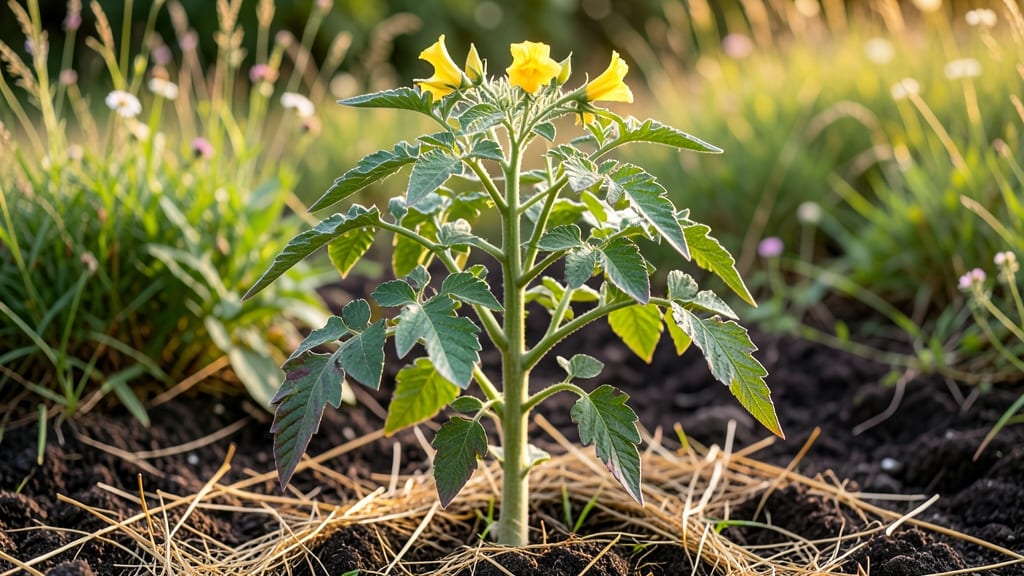
The Sweetie tomato delivers the flavor of a backyard garden in a pint-sized package. 🌱 This compact, determinate variety packs a sweet punch without taking over your space—perfect for containers, balconies, or small plots where bigger tomatoes would sprawl.
What makes Sweetie special is its consistent sweetness and early production—you’ll harvest ripe, flavorful tomatoes in just 60-65 days from transplant. Unlike heirlooms that need space, Sweetie stays tidy, producing clusters of 10-15 tomatoes per plant without staking. The flavor?
A balance of sweetness and tang that rivals store-bought favorites, but with real garden-grown depth. You’ll need full sun (6+ hours daily), well-draining soil, and 1-gallon containers for each plant (or 18-24 inches apart in ground).
Water consistently—1-1.5 inches per week—and watch for common issues like blight or aphids. A light mulch keeps soil moist and prevents cracking in those juicy fruits.
Whether you’re growing on a patio or squeezing in a few plants between other veggies, Sweetie proves you don’t need a big garden for big flavor. Let’s get those plants thriving!
📚 In This Guide
- What you need
- Instructions
- Tips and common mistakes
- Wrapping up and next steps
What you need
- ● Sweetie tomato seeds or seedlings: 1–2 plants (or 3–4 seeds if starting from scratch). Look for determinate varieties labeled "Sweetie" or similar.
- ● Container or growing space: 5-gallon pot or larger (minimum 12" deep for one plant).
- ○ Optional: Fabric grow bags (5–7 gallons) for better drainage.
- ● High-quality potting mix: 1 bag (look for moisture-retentive blends with perlite or coconut coir). ⚠️ Avoid garden soil!
- ● Slow-release fertilizer: 1 cup (5–10–10 or tomato-specific formula) mixed into the soil at planting.
- ● Tomato cages or stakes: 1–2 (3–4 ft tall) to support the plant as it grows.
- ● Hand trowel or small shovel for planting.
- ● Watering can with a narrow spout (or hose with gentle spray).
- ● Pruning shears (for trimming suckers, if desired).
- ○ Optional but helpful: Mulch (straw or shredded leaves) to retain moisture.
- ● pH test kit (ideal soil pH: 6.0–6.8).
- ● Liquid fertilizer (like fish emulsion) for mid-season boosts.
- ● Full sun (6–8+ hours daily).
- ● Warmth (55°F+ soil temp to plant; 70°F+ for germination).
- ● Consistent watering (keep soil evenly moist, not soggy).
Step-by-step guide to growing Sweetie tomatoes in containers
This compact, prolific variety thrives in pots—here's how to maximize its potential.
🌱 Step 1: Select the Right Container and Prepare Soil
Sweetie tomatoes need 5-gallon containers minimum—their compact roots can't handle smaller spaces. I use fabric grow bags because they breathe better than plastic and prevent root circling. Fill each pot with a mix of 60% high-quality potting soil, 30% compost, and 10% perlite for drainage. Avoid garden soil—it compacts and suffocates roots.
Add a handful of osmocote fertilizer (14-14-14) to the bottom of each pot before filling with soil. This slow-release formula feeds roots steadily without burning, which is critical for container-grown plants. Moisten the mix until it's damp like a wrung-out sponge—neither bone-dry nor soggy. The goal is a fluffy medium that holds moisture but drains freely.
☀️ Step 2: Plant and Support for Optimal Growth
Plant one Sweetie tomato per container, burying the stem up to the first set of true leaves. This encourages stronger root development along the buried stem. Immediately after planting, insert a 5-foot tomato cage or sturdy bamboo stake—Sweetie's compact habit still needs support to prevent sprawl and disease. I like cages because they're less likely to tip over in wind.
Water deeply right after planting to settle the soil and eliminate air pockets. You'll know it's enough when water runs freely from the drainage holes. Mulch with 1-2 inches of straw to retain moisture and suppress weeds. The mulch layer also helps regulate soil temperature, which Sweetie tomatoes appreciate—especially in hot afternoons.
💧 Step 3: Water and Feed for Maximum Production
Sweetie tomatoes need 1-1.5 inches of water weekly, but check soil moisture daily. Stick your finger 1-2 inches deep—if it feels dry, water thoroughly at the base. Avoid wetting leaves to prevent fungal diseases like early blight. I water in the morning so foliage dries quickly, reducing disease risk. Container plants dry out faster than in-ground, so consistency is key.
Feed every 2-3 weeks with liquid fertilizer (like fish emulsion) mixed at half-strength. Too much nitrogen makes leaves grow fast but fruits stay small. Look for balanced NPK (10-10-10) to support both foliage and fruit development. You'll see the difference in 3-4 weeks—plants will have deep green leaves and multiple flower clusters.
✂️ Step 4: Prune and Harvest for Continuous Yield
Sweetie tomatoes are determinate, so they don't need aggressive pruning. Remove only suckers (side shoots) that form in the leaf axils—these drain energy from fruit production. Pinch off any flowers that appear before the plant reaches 12 inches tall; early blooms often drop off before fruiting. This redirects energy to the main stem for bigger harvests later.
Harvest when tomatoes are fully colored but still slightly firm. Sweetie tomatoes ripen quickly—often 5-7 days after turning red. Pick in the morning when sugars are highest. Gently twist fruits to avoid damaging stems. With proper care, each plant yields 8-12 pounds of tomatoes over 6-8 weeks, making it one of the most productive container varieties.
Tips & tricks for growing Sweetie tomatoes in containers
Between us, container gardening with Sweetie tomatoes can feel like a high-stakes balancing act—but these small tweaks make all the difference.
Container Size Matters: While 5-gallon pots are the minimum, I've found that 7-gallon containers produce 20-30% more tomatoes because they give roots more room to spread. The extra volume also helps maintain moisture during hot spells. If you're using fabric grow bags, opt for the largest size available—they breathe better than plastic, which prevents root suffocation that can stunt growth.
Soil Mix Secrets: The 60-30-10 soil mix is perfect, but here's what nobody tells you—pre-moisten your compost before mixing. Dry compost absorbs water like a sponge, leaving your potting soil bone-dry. I soak my compost in a bucket of water for 10 minutes first, then wring it out. This ensures even moisture distribution right from planting. The osmocote fertilizer should be spread evenly in the bottom third of the pot, not just dumped in one spot—this prevents nutrient burn that can damage delicate roots.
Watering Wisdom: Those 1-1.5 inches of weekly water might seem straightforward, but timing is everything. I've learned the hard way that watering in the late afternoon can lead to fungal issues—even with container plants. Instead, water in the morning when temperatures are cooler. This gives foliage plenty of time to dry completely before evening humidity sets in. For extra insurance, I use a moisture meter to check soil levels at the 1-2 inch depth mentioned in the instructions—this prevents both underwatering and overwatering, which can both stress the plant.
Pruning Precision: When you're pinching off suckers and early flowers, focus on the main stem's health. I use clean, sharp scissors to make clean cuts just above leaf nodes—this prevents tearing that can introduce disease. For Sweetie's compact growth, I also recommend removing the bottom leaves that might touch the soil. This improves airflow and reduces the risk of soil-borne pathogens that can rot stems. The goal is to keep the plant's energy focused on fruit production rather than leafy growth.
Pro Tips for Sweetie Tomato Variety
- Between us, container gardening with Sweetie tomatoes can feel like a high-stakes balancing act—but these small tweaks make all the difference.
- Container Size Matters: While 5-gallon pots are the minimum, I've found that 7-gallon containers produce 20-30% more tomatoes because they give roots more room to spread.
- Soil Mix Secrets: The 60-30-10 soil mix is perfect, but here's what nobody tells you—pre-moisten your compost before mixing.
Frequently asked questions
Got questions about growing the Sweetie tomato variety? You’re not alone—this compact, high-yielding tomato is a favorite, but it comes with its own quirks! Here are answers to the most common queries to help you grow like a pro.
What’s the best container size for Sweetie tomatoes?
The Sweetie tomato variety thrives in 5-gallon containers or larger (at least 12–18 inches deep). Smaller pots may limit root growth and reduce yields. If using fabric grow bags, opt for 7+ gallons for better stability and drainage. Pro tip: Add compost or worm castings to the soil mix for extra nutrients!
How long does it take for Sweetie tomatoes to produce fruit?
From transplanting, expect 60–70 days to first harvest (check seed packets for exact days-to-maturity). Sweetie tomatoes are determinate, so they’ll produce a bountiful crop all at once—plan to pick daily once ripe! Cold weather or poor pollination can delay fruiting, so keep them in a sunny, warm spot (70°F+).
Why aren’t my Sweetie tomatoes ripening?
Blame temperature, light, or pollination issues. Sweetie tomatoes need full sun (6+ hours/day) and consistent warmth—below 55°F halts ripening. Troubleshoot:
- Move containers to a sunnier spot or use a grow light.
- Check for blossom end rot (calcium deficiency)—add crushed eggshells or lime.
- Gently shake plants to aid pollination on cloudy days.
Can I grow Sweetie tomatoes indoors or in a greenhouse?
Sweetie tomatoes are perfect for indoor growing with a south-facing window or grow lights (14–16 hours/day). Use a self-watering container and monitor humidity—40–60% is ideal. In greenhouses, ensure proper ventilation to prevent disease. Just avoid drafts, or they’ll bolt prematurely.
What’s a good alternative if Sweetie tomatoes don’t work for me?
If you love compact, high-yield tomatoes, try these determinate varieties:
For indeterminate options (vining), consider Micro Tom (dwarf) or Tumbling Tom (trailing).
Wrapping up and next steps
The Sweetie tomato variety is your perfect partner for small-space gardening—packing big flavor into compact, determinate plants that thrive in containers, balconies, or even hanging baskets! 🌱 With its early harvest, disease resistance, and sweet, juicy rewards, it’s the ultimate choice for beginners and urban growers alike.
Ready to grow your own delicious tomatoes? Grab your seeds, a cozy pot, and let the sunshine do the rest—your taste buds (and Instagram feed) will thank you! 🌿 Start planting today!