
Plants
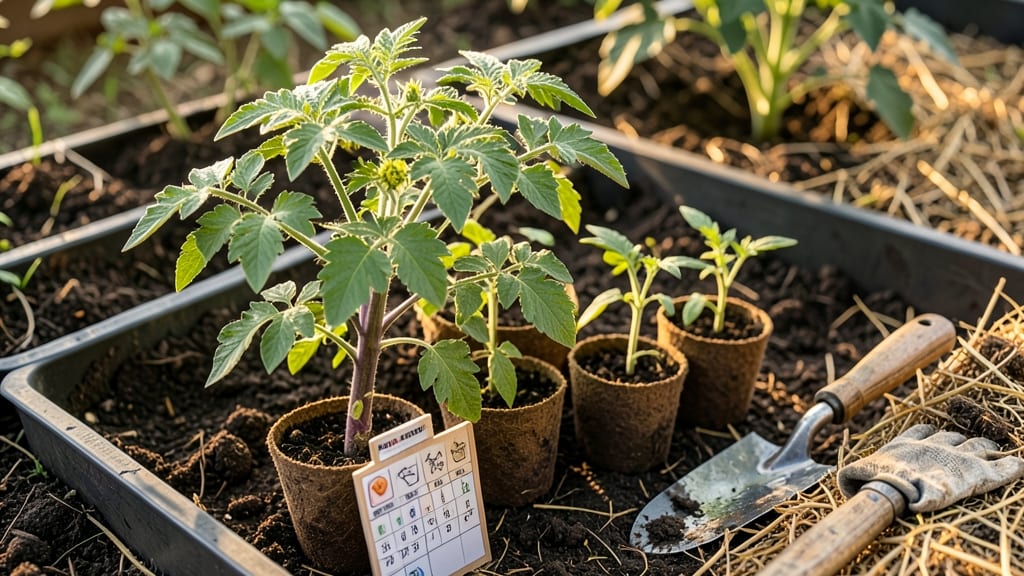
Planting tomato plants in Texas at the right time means the difference between a bountiful harvest and a sad, wilted vine.
Texas gardeners know timing is everything—plant tomatoes too early, and a late frost will wipe them out; too late, and the brutal summer heat will stunt growth. But with the right heat-zone strategy, you can grow juicy, vine-ripened tomatoes all season long.
In USDA zones 8a-10b, where frost dates vary wildly from North to South Texas, the ideal window shifts from mid-February in the Gulf Coast to mid-April in the Panhandle. Miss that mark, and you risk stunted plants or no fruit at all.
Here’s how to pinpoint the perfect moment for your region, plus pro tips for extending your harvest into fall—without the common Texas mistakes that ruin even the best-laid plans.
Texas heat-Zone planting calendar: best months by region
Texas stretches across 11 USDA hardiness zones (6a-9b), creating wildly different planting windows for tomatoes. In Zone 6a (Panhandle), late frosts can linger until April 15, while Zone 9b (Rio Grande Valley) enjoys frost-free winters.
The key? Plant when soil temps hit 60°F and nighttime temps stay above 50°F—this ensures strong root establishment before summer's relentless heat.
Determinate varieties like 'Celebrity' or 'Roma' thrive in cooler zones, while heat-tolerant indeterminates such as 'Solar Fire' or 'Heatmaster' dominate Southern Texas. I'll break down the optimal transplanting windows by region, plus fall planting strategies to squeeze extra harvests before frost.
🌱
For Zones 6a-7a, I recommend starting seeds indoors 6-8 weeks before your last frost date. Use grow lights to prevent leggy seedlings—natural light in Texas winters is weak. Harden off seedlings for 7-10 days before transplanting to avoid shock from 30°F+ temperature swings common in North Texas.
In Zones 8a-9b, you can direct-sow seeds 2-3 weeks earlier than transplanting seedlings, thanks to warmer soils. But watch for heat stress: temperatures above 95°F can cause blossom drop. Use shade cloth (30-50%) during peak afternoon heat to protect young plants.
🌿
Fall planting is where Texas gardeners get creative. In Zones 6a-7a, aim for late July transplants—this gives tomatoes 80-90 days to mature before first frost (typically December 1).
For Zones 8a-9b, you can push harvests until November 15 by using black plastic mulch to extend soil warmth.
Pro tip: In Zone 9b, you can even grow winter tomatoes! Use cold-hardy varieties like 'Cold Set' and protect plants with row covers during rare cold snaps. I've had success with greenhouse setups in my South Texas garden, producing tomatoes year-round.
🌡️
Remember: Soil temperature matters more than air temperature. Use a soil thermometer to confirm readiness—60°F for cool zones, <
How to extend your Texas tomato season: fall planting hacks
Fall is your secret weapon for a second tomato harvest in Texas! While summer heat can be brutal, cooler temperatures and shorter days create perfect conditions for late-season tomatoes that ripen just in time for October and November.
The key? Strategic timing, protective tools, and cold-hardy varieties that thrive when summer's intensity fades.
Most Texas gardeners focus on spring planting, but fall offers equal—or even better—productivity with fewer pests and less stress on your plants. By late August, you can start preparing your garden for a second wave of tomatoes that will keep producing until the first frost.
The right techniques can push your harvest window by 4-6 weeks compared to unprotected plants.
🌱 5 Fall Planting Hacks for Texas Tomatoes
-
1. Plant cold-hardy varieties
Choose 'Celebrity', 'Better Boy', or 'Mountain Merit'—these tolerate 50°F nights and ripen faster in cooler weather. -
2. Use black plastic mulch
Lay it 2-3 weeks before planting to warm soil to 65°F+—critical for fall seedlings in North Texas. -
3. Install shade cloth at 30%
Protect plants from September heat spikes while maintaining sunlight for growth. -
4. Transplant in late July-August
Aim for 60-70 days before first frost (e.g., August 15 in North Texas, September 1 in South Texas). -
5. Add row covers in October
Use frost blankets to extend harvests by 2-3 weeks before hard freezes.
Timing is everything in Texas' fall garden. For North Texas (USDA zones 7b-8a), start seeds indoors in early July and transplant by mid-August. In South Texas (zones 8b-10a), you can push it later—transplant in early September for harvests through November.
The goal is to give your plants 70-80 days of warm soil before temperatures drop below 50°F.
Don’t overlook soil preparation—fall tomatoes thrive in well-draining, compost-rich soil with a pH of 6.0-6.8. Work in aged compost or cow manure 2-3 weeks before planting to boost nutrient availability.
A balanced fertilizer (10-10-10) at transplanting will give your plants the energy they need to recover from summer stress and start producing fruit quickly.
Watch for early signs of stress like yellowing leaves or blossom drop—common in fall when days shorten. If you notice this, reduce shade cloth to 15% and increase watering slightly to 1.5 gallons per plant every 3 days.
The right balance of light and moisture keeps your tomatoes productive right up until frost.
With these hacks, you’ll enjoy homegrown tomatoes in October—just in time for salsas, sauces, and sandwiches. The best part? Fall tomatoes often taste sweeter and more flavorful because they grow slower in cooler weather, concentrating their sugars naturally. Happy gardening! 🍅