
Plants
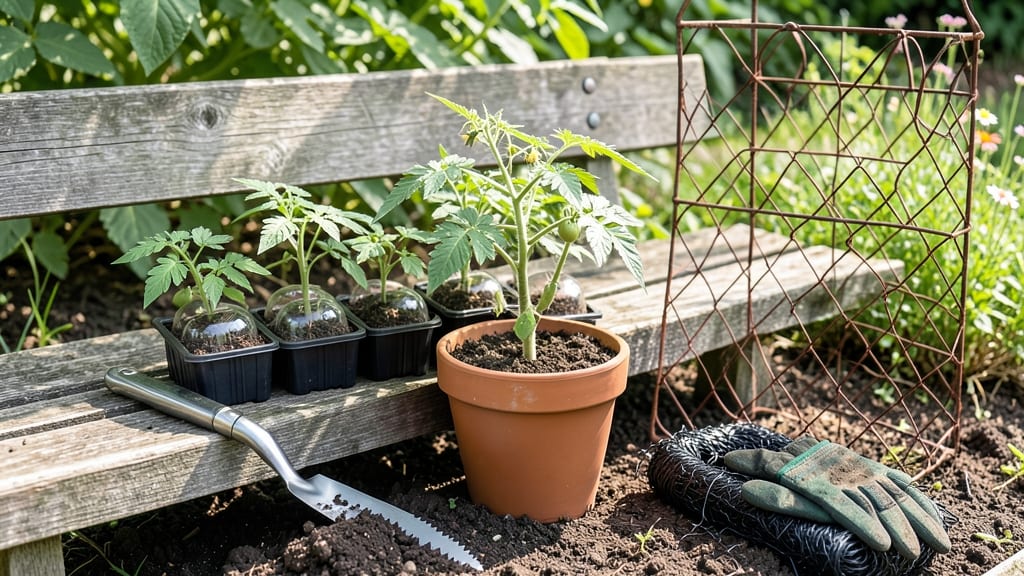
Planting tomato plants in Los Angeles means working with a climate where frost is rare, but summer heat can quickly overwhelm young seedlings if you’re not careful.
Los Angeles gardeners know timing is everything—plant tomatoes too early, and frost can wipe out your harvest; too late, and summer heat arrives before your plants mature. Mastering the perfect window ensures juicy, homegrown tomatoes all season long.
Unlike northern regions, LA’s year-round growing season lets you start tomatoes almost anytime, but the key is avoiding the brutal midday sun of June through August. The ideal window? Early spring (February–March) for heat-tolerant varieties or late summer (August–September) for fall harvests.
Below, I’ll break down the best months for your 🍅 varieties, how to prep soil for LA’s microclimates, and when to use shade cloth to keep your plants thriving—no matter where you garden in the city.
Los Angeles frost-free dates & ideal tomato planting windows by month
Los Angeles gardeners enjoy a unique advantage: no frost risk in most areas, thanks to our USDA Zone 10a climate. However, microclimates create differences between coastal and inland regions. Coastal areas like Santa Monica stay milder year-round, while inland spots like Pasadena can hit 90°F+ even in spring.
Understanding these variations helps you pick the perfect planting window for your tomatoes.
For coastal LA, the ideal window stretches from late January through May, avoiding summer's intense heat.
Inland areas can start slightly earlier (mid-February) but must finish by late April to prevent heat stress. Heat-tolerant varieties like 'Solar Fire' or 'Heatmaster' can handle summer planting, but they require extra shade and water.
Here’s your month-by-month guide for planting tomatoes in LA, including seed starts vs. transplants and microclimate adjustments:
| Month | Coastal LA | Inland LA | Notes |
|---|---|---|---|
| January | Start seeds indoors | Start seeds indoors | Cool temps slow growth; use grow lights |
| February | Transplant seedlings outdoors | Transplant seedlings outdoors | Inland areas can start earlier |
| March | Direct sow or transplant | Direct sow or transplant | Best month for coastal areas |
| April | Last chance for transplants | Last chance for transplants | Inland areas must finish by late April |
| May | Heat-tolerant varieties only | Heat-tolerant varieties only | Risk of blossom drop in heat |
| June-August | Avoid planting | Avoid planting | Extreme heat reduces yields |
| September | Succession plant for fall | Succession plant for fall | Cooler temps improve success |
| October-November | Start seeds for spring | Start seeds for spring | Prepare for next year’s harvest |
If you’re growing heirloom varieties like 'Brandywine' or 'Cherokee Purple', prioritize spring planting (February-April) to ensure they mature before summer heat sets in. These varieties need 70-85 days to fruit, so timing is critical.
For cherry tomatoes like 'Sweet 100' or 'Sun Gold', you can push the envelope slightly later (May) because they mature faster (50-60 days).
For container gardening, start seeds indoors 6-8 weeks before your target outdoor date. Containers heat up faster, so avoid planting outdoors when temperatures exceed 85°F.
Use light-colored pots and shade cloth to protect roots. Inland gardeners should also consider drip irrigation to maintain consistent soil moisture during dry spells.
One common mistake is planting too late and ending up with blooms but no fruit due to heat stress. If you miss the spring window, focus on fall planting (August-September) for a second harvest.
Just be prepared for slower growth as days shorten. Row covers can extend your season by protecting plants from unexpected chilly nights.
Pro tip: Use a planting calendar to track your tomato’s days to maturity and count backward from your first expected frost date (which, in LA, is essentially never). Instead, work backward from your harvest goal. For example, if
Best tomato varieties for Los Angeles & their specific planting timing
Los Angeles' year-round growing potential means you can grow tomatoes almost anytime, but selecting the right variety and timing maximizes your harvest. Early Girl thrives in cooler spring months, while heat-resistant varieties like 'Solar Fire' handle summer's intensity.
Let's dive into the best options and their ideal planting windows to keep your garden productive.
For coastal LA, where temperatures stay milder, you can plant transplants as early as February for early varieties. Inland areas with hotter microclimates should wait until March or April to avoid heat stress. Succession planting every 2-3 weeks ensures a continuous supply of fresh tomatoes from spring through fall.
- Early Girl (55-60 days): Plant transplants in February-March for spring harvests. Ideal for cooler coastal areas, this variety matures quickly before summer heat peaks.
- Roma (70-80 days): Transplant March-April for mid-season production. Heat-tolerant and perfect for sauces and canning, it thrives in inland LA's warmer microclimates.
- Brandywine (85-90 days): Plant transplants in late April-May for late-season harvests. This heirloom loves cooler fall temperatures and produces large, flavorful fruits.
- Solar Fire (65-70 days): Transplant April-June for summer heat resistance. This variety handles temperatures up to 100°F and is perfect for urban heat islands.
- Cherry Tomatoes (Sweet 100) (60-65 days): Plant transplants every 2 weeks from March-July for continuous harvests. Thrives in containers and hanging baskets, ideal for small spaces.
If you're starting from seeds indoors, begin 6-8 weeks before your target transplant date. For example, sow Early Girl seeds in December for a February transplant, or start Solar Fire seeds in February for a May transplant.
This head start gives seedlings a stronger foundation before facing LA's intense sun.
For fall planting, aim to transplant late July-August for varieties like Brandywine or Cherokee Purple. These cool-season lovers produce best when nights cool down, often yielding until November or December. Use row covers to protect against unexpected chilly nights.
Pro tip: Mulch heavily around tomato plants to retain moisture and regulate soil temperature. In container gardening, choose self-watering pots to prevent drought stress during LA's dry spells. With the right variety and timing, you'll enjoy homegrown tomatoes from spring to fall! 🍅