
Plants
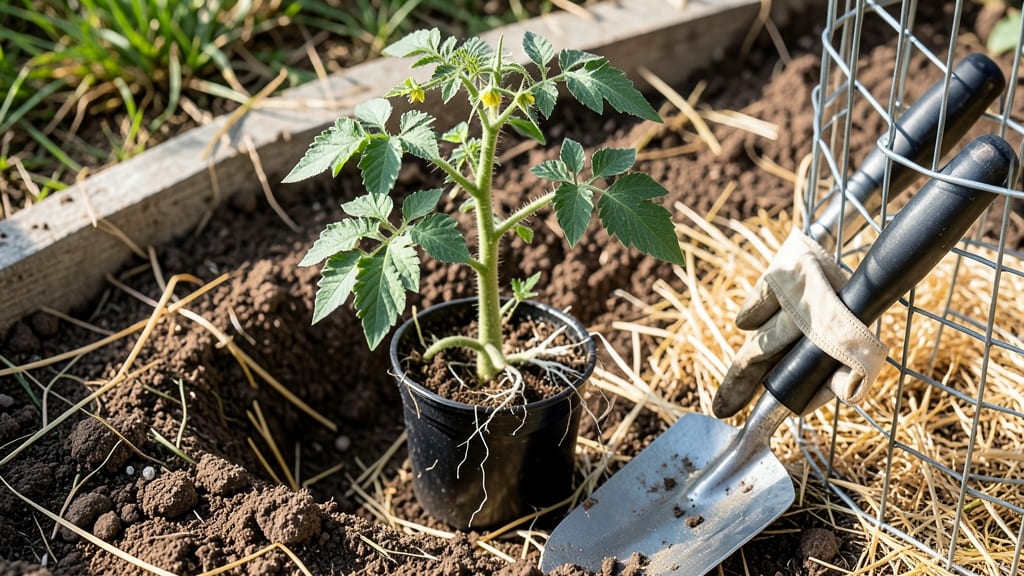
Planting tomato plants in Pennsylvania after the last frost date — typically mid-April in most zones — is the key to avoiding frost damage and maximizing your harvest.
Timing your tomato planting in Pennsylvania can mean the difference between a bumper crop and a sad, wilted disappointment — especially when late frosts or early heatwaves lurk around the corner.
One wrong move, and you could end up with six-foot vines and no fruit, or worse, seedlings that never make it past the first frost.
With USDA zones ranging from 5b to 7a, Pennsylvania’s climate varies dramatically from the cooler mountains to the warmer valleys. That means your exact planting window depends on where you live — and getting it right ensures your 🍅 thrive from June through October.
Below, I’ll walk you through how to pinpoint your frost-free date, adjust for early vs. late varieties, and avoid the most common mistakes that turn hopeful gardeners into frustrated tomato growers.
PA tomato planting timeline: exact frost-free dates by region (2024 guide)
Getting your tomato plants in the ground at the right time in Pennsylvania is everything—miss the window, and you risk frost damage or stunted growth. The Keystone State spans USDA zones 5b-7a, meaning frost dates vary dramatically from Erie’s chilly Zone 5b to Philadelphia’s warmer Zone 7a.
Using NOAA data and Penn State Extension reports, I’ve broken down the exact last frost dates by region so you can time your planting for peak yields.
For most of Pennsylvania, the average last frost date falls between April 15 and May 15, but your exact timing depends on where you live. Early varieties like ‘Stupice’ can handle cooler soils, while heat-lovers like ‘Brandywine’ need warmer conditions.
Below, I’ve organized the data by region so you can plant with confidence—no more guessing or wasted seedling trays!
If you’re in Zone 5b (like Erie or Scranton), wait until May 20 to plant heat-loving varieties—early planting risks frost damage to young plants.
Meanwhile, gardeners in Zone 7a (Philadelphia, Reading) can start early varieties by April 30 and even squeeze in a second planting in June for a late harvest.
Pro tip: Use black plastic mulch to warm soil faster, especially in cooler zones. This can shave off 1-2 weeks from your planting timeline by raising soil temps to 60°F+, which tomatoes love. Just remove it before harvest to avoid plastic bits in your fruit!
For container gardening, add 2-4 weeks to these timelines since pots cool faster. Place containers in south-facing spots and use self-watering systems to keep roots consistently moist.
Urban gardeners in cities like Philly often see microclimates that are 3-5°F warmer than rural areas—use this to your advantage by planting 1 week earlier if your balcony bakes in the sun.
Don’t forget to harden off seedlings for 7-10 days before transplanting, especially if you’re rushing to meet your region’s last frost date. Gradually expose them to outdoor conditions to avoid shock.
And if a late frost hits (which happens 1 in 3 years in PA), cover plants with frost blankets or row covers until temps rise.
For succession planting, sow fast-maturing varieties like ‘Early Girl’ every 2 weeks until June 15 to stretch your harvest season. This works especially well in Zone 7a
How to use a frost-free date calculator for tomatoes in PA (step-by-step)
Pennsylvania’s variable climate makes timing critical for tomato success. A frost-free date calculator helps pinpoint your exact last frost date, but even then, local microclimates can shift your planting window by 2-3 weeks. Let’s walk through how to use these tools—and adjust for your garden’s unique conditions.
Start by visiting the PA State Extension’s frost calculator or the Old Farmer’s Almanac predictor. Both tools require just your zip code to generate your average last frost date.
For example, Pittsburgh (15213) typically sees its last frost around April 20, while Philadelphia (19103) averages April 15. These dates are your baseline—but don’t stop there.
Remember, soil warming is your secret weapon. If your calculator says May 1 but your soil is still 55°F, spread black plastic mulch 1-2 weeks earlier to hit that 60°F threshold faster. This trick adds 10-14 days to your effective growing season—critical for late-blooming varieties like heirlooms.
For urban gardeners, heat from pavement and buildings can push your frost-free date 1-2 weeks earlier than rural areas. If you’re in Philadelphia or Pittsburgh, test your microclimate by planting a test crop of radishes (fast-growing) in early April.
If they thrive, you can safely plant tomatoes 2 weeks earlier than the calculator suggests.
Finally, bookmark the NOAA’s climate maps for real-time adjustments. A sudden cold snap in late May? Cover your plants with frost cloth—it’s better than losing your entire crop to a 28°F night. With these tools, you’ll turn Pennsylvania’s unpredictable weather into a tomato-growing advantage.