
Companion Plants
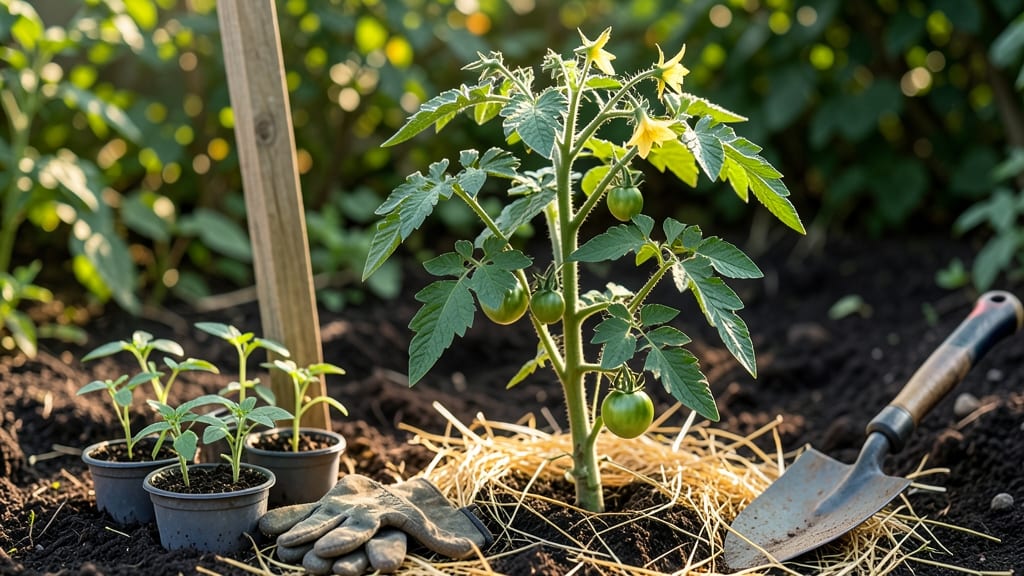
Here are some of the best tips for planting tomato plants right—it’s the difference between a bountiful harvest and a sad, leggy plant that never ripens fruit. 🌱 I’ve learned the hard way that soil, sunlight, and spacing aren’t optional details; they’re the foundation of success.
The right prep turns a $3 transplant into a plant that feeds you all summer.
Start with soil that drains well but holds moisture—think crumbly, rich, and slightly acidic. Mix in compost if your native soil is heavy clay or sandy.
Dig a hole just deep enough to bury the plant up to its first set of leaves (this encourages strong roots), and space plants 18-24 inches apart for airflow. Tomatoes need 6-8 hours of direct sun daily, so pick the sunniest spot in your yard.
After planting, water deeply to settle the soil and keep the roots moist for the first 2 weeks. Mulch around the base to retain moisture and suppress weeds—this simple step cuts watering time in half.
Stake or cage your plants early (even if they’re small) to avoid bending them later, and watch for early signs of stress like yellowing leaves or wilting.
Common mistakes? Overwatering (root rot is real), planting too deep (buried stems rot), or crowding plants (invites disease). But with these basics, you’ll see sturdy stems and lush foliage within weeks. The payoff? Juicy, vine-ripened tomatoes that taste nothing like store-bought. Let’s get those plants in the ground!
📚 In This Guide
- What you need
- Instructions
- Tips and common mistakes
- Wrapping up and next steps
What you need
- ● Tomato plants: 3–6 healthy seedlings or transplants (depending on your space). Look for disease-resistant varieties if pests are a concern in your area.
- ● Containers or garden beds: For containers: 5-gallon pots or larger (tomatoes need room to grow!). Ensure they have drainage holes.
- ● For in-ground planting: Loose, well-draining soil with a pH of 6.0–6.8. Amend clay soil with compost or sand.
- ● Potting mix or garden soil: A high-quality, organic-rich mix (avoid garden soil with weeds or pests).
- ○ Fertilizer: A balanced 10-10-10 or 5-10-10 fertilizer (or compost/manure for organic options). Optional: Slow-release granules for steady nutrition.
- ● Support system: Cages (5–6 ft tall)
- ● Trellises or stakes (6+ ft long)
- ● Tie-down clips or soft twine
- ● Watering tools: Watering can or hose with a gentle spray nozzle (to avoid damaging stems).
- ○ Optional: Drip irrigation kit for consistent moisture.
- ● Mulch: Straw, wood chips, or black plastic (to retain moisture and suppress weeds).
- ● Pruning shears: For trimming suckers or dead leaves.
- ● Gloves and knee pads: Because gardening is hard work!
- ● Companion plants: Basil, marigolds, or onions (to deter pests and boost growth).
- ● Epsom salt: A spoonful in planting holes for magnesium boost (especially for leafy varieties).
- ● Plant markers: To track varieties and watering schedules.
- ● Shade cloth: For seedlings if your climate gets too hot.
- ● Soil test kit: To check nutrient levels before planting.
Step-by-Step instructions for planting tomato plants
Here's the method I've used for years to get tomato plants off to a strong start—no guesswork, just proven results.
☀️ Step 1: Choose the Perfect Planting Spot
Tomatoes need 6-8 hours of direct sunlight daily, so scout your yard for the sunniest location. Avoid spots where evening shade creeps in after 4 PM—this is when tomatoes need warmth to set fruit. I always check for at least 6 hours of full sun before committing to a spot.
Test your location for a week before planting. Mark the area where shadows fall and note how long each spot stays in shade. The spot with the least shade wins. If you're planting in containers, position them where they'll get morning sun and afternoon shade in hot climates—this prevents leaf scorch.
🪴 Step 2: Prepare the Soil for Maximum Growth
Tomatoes thrive in loose, well-draining soil with a pH between 6.0 and 6.8. Work in 2-3 inches of compost or aged manure to enrich the soil naturally. I like to mix in a handful of bone meal for extra phosphorus—this boosts root development and fruit production.
If your soil is heavy clay, amend it with sand or perlite to improve drainage. Avoid fresh manure or chemical fertilizers at planting time—these can burn tender roots. Instead, focus on organic matter to create a crumbly, fertile bed that holds moisture without becoming waterlogged.
🌱 Step 3: Plant Deep and Stake Early
Dig a hole wide enough to accommodate the root ball without bending the roots. Plant tomatoes deeper than usual—bury up to ⅔ of the stem below soil level. This encourages strong root growth along the buried stem, which means more stability and water uptake. I always remove the lower leaves before burying them to prevent rot.
Install a 6-foot stake or cage at the same time you plant. Driving stakes in later risks damaging roots. Secure the main stem to the stake with soft plant ties, leaving room to grow. If you're using cages, place them centered over the planting hole before adding soil—this prevents disturbing the plant later.
💧 Step 4: Water Thoroughly and Mulch Well
Water the soil deeply before planting to settle it, then give each plant 1 gallon of water immediately after transplanting. This helps eliminate air pockets around the roots. Water again in 3-4 days to encourage root growth into the surrounding soil.
Spread 2-3 inches of organic mulch around the base of the plant, keeping it 2 inches away from the stem to prevent rot. I use straw or shredded leaves because they break down slowly, adding nutrients to the soil. Mulch keeps roots cool, retains moisture, and suppresses weeds—all critical for healthy tomato growth.
⏰ Step 5: Monitor and Adjust for Success
Check soil moisture daily for the first week. Tomatoes need 1-1.5 inches of water per week, but more in hot weather. Water at the base in the morning to let foliage dry before evening—this prevents fungal diseases like blight. You'll know moisture is right when the top inch of soil feels damp but not soggy.
Watch for signs of stress like yellowing leaves or wilting. If leaves curl upward, it's often a sign of underwatering or heat stress. If they yellow and wilt, overwatering or poor drainage may be the issue. Adjust your watering schedule based on what you observe—tomatoes are forgiving if you respond quickly to their needs.
Tips & tricks for perfect tomato planting
Here's what nobody tells you about planting tomatoes—these tricks make all the difference between a decent harvest and a garden full of juicy, sun-ripened beauties.
Sunlight Strategy: The 6-8 hours of direct sunlight in Step 1 is non-negotiable, but here's the secret: morning sun (6 AM–12 PM) is more valuable than afternoon sun in hot climates. If you're planting in containers, rotate them every few days so all sides get equal exposure. I learned this the hard way after my first year's uneven fruit set—always position containers to catch that morning glow!
Soil Science: When amending soil in Step 2, test your pH first with a simple kit (available at garden centers). If your soil tests above 6.8, add elemental sulfur to lower the pH gradually—tomatoes hate alkaline soil. For heavy clay, mix in equal parts sand and compost to create that perfect crumbly texture. I've seen plants thrive in amended clay that would've suffocated them otherwise.
Deep Planting Hack: In Step 3, when burying that ⅔ of the stem, make small vertical cuts (about 1-inch deep) along the buried portion before planting. These cuts encourage roots to sprout along the stem, creating a stronger root system. Just be sure to remove those lower leaves first—they'll rot underground and attract pests.
Watering Wisdom: The 1 gallon of water in Step 4 is just the beginning. After the initial watering, let the soil dry slightly between waterings in the first week—this prevents waterlogged roots. I use a moisture meter to check the top 2 inches of soil; if it's damp but not soggy, that's perfect. Overwatering is the #1 reason tomato plants fail, so don't drown them with love!
Pro Tips for Tips For Planting Tomato Plants
- Here's what nobody tells you about planting tomatoes—these tricks make all the difference between a decent harvest and a garden full of juicy, sun-ripened beauties.
- Sunlight Strategy: The 6-8 hours of direct sunlight in Step 1 is non-negotiable, but here's the secret: morning sun (6 AM–12 PM) is more valuable than afternoon sun in hot climates.
- Soil Science: When amending soil in Step 2, test your pH first with a simple kit (available at garden centers).
Frequently asked questions
Got questions about growing juicy, homegrown tomatoes? You’re not alone! Here are answers to the most common questions to help you plant with confidence.
When is the best time to plant tomato seedlings?
Plant tomato seedlings after the last frost date when soil temperatures reach at least 50°F (10°C). For warm climates, aim for early spring; cooler regions may need to wait until late spring or early summer. Use a soil thermometer to check—tomatoes hate cold soil!
Can I plant tomatoes in containers instead of the ground?
Tomatoes thrive in containers if the pot is at least 5 gallons with drainage holes. Use a high-quality potting mix and place the container in full sun. Dwarf or bush varieties (like ‘Tiny Tim’) work best, but indeterminate types need sturdy stakes or cages. Just ensure the pot gets plenty of water—containers dry out faster!
How do I protect my tomato plants from pests?
Prevent pests like aphids, hornworms, and blight with these tricks:
- Neem oil spray (natural insecticide)
- Row covers (for early-season protection)
- Companion planting (basil, marigolds, or onions repel pests)
- Remove damaged leaves immediately to stop disease spread
Why are my tomato plants wilting even though I’m watering them?
Wilt can mean overwatering, underwatering, or disease. Check the soil: it should be moist but not soggy. If the stems feel soft or mushy, it’s likely blight or Fusarium wilt—remove affected plants and improve airflow. For heat stress, water deeply in the early morning to reduce evaporation.
How do I know if my tomato plants need pruning?
Prune indeterminate tomatoes (tall, vining types) to remove suckers (shoots in the leaf axils) and improve airflow. Focus on:
- Lower leaves (prune up to 12 inches from the ground)
- Damaged or diseased foliage (cut it out immediately)
- Overcrowded branches (thin to 3-4 main stems)
Wrapping up and next steps
Planting tomato plants is a rewarding journey that combines a little science with a lot of patience—and the payoff is delicious! 🌱 By choosing the right spot, prepping the soil, and giving your plants the love they crave, you’ll be well on your way to a bountiful harvest.
Remember, every gardener starts somewhere, so don’t stress over perfection.
Now that you’re armed with these sun-loving secrets, it’s time to roll up your sleeves and get growing! Ready to dive deeper? Check out our guide on companion planting to maximize your tomato’s potential—or head to the garden and start planting today!