
Leaf Blower
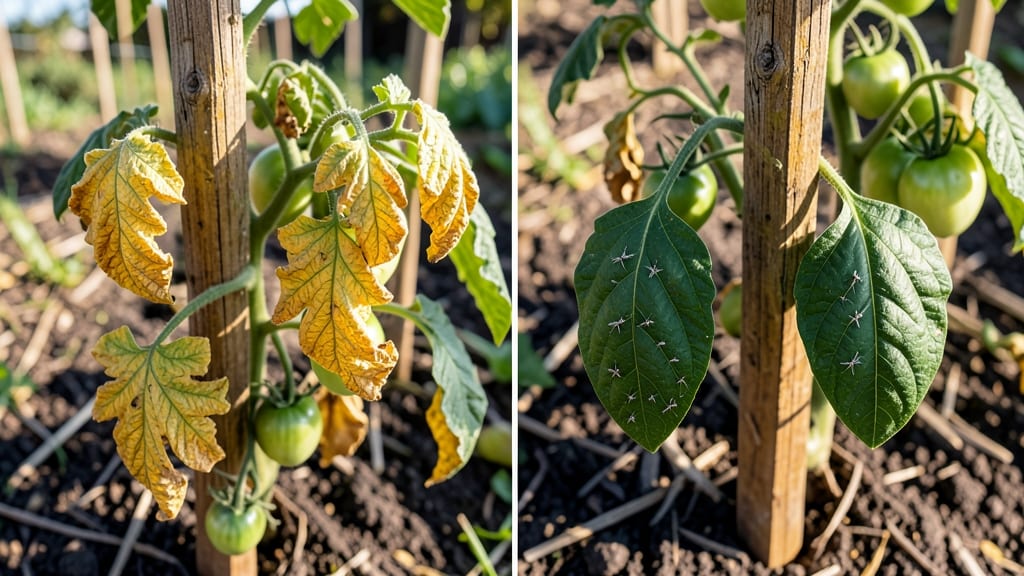
That first sight of yellowed leaves curling upward on your tomato plants is a gut punch—tomato yellow leaf curl virus (TYLCV) strikes fast, and without quick action, your harvest can vanish in weeks. 🌱 I’ve watched this virus turn thriving plants into sad, stunted shadows, but there’s hope if you catch it early and act decisively.
The key isn’t just spotting the symptoms—it’s understanding how the virus spreads and what organic tools can slow it down before it takes over.
TYLCV hitches rides on whiteflies, those tiny white pests that flutter around tomato leaves like snowflakes, and thrives in hot, dry conditions—exactly the kind of summer we all dread.
The moment you see leaves curling upward, twisting like paper, or plants stunting with yellowing between veins, you’re looking at an infection. The bad news? There’s no cure. The good news?
You can contain it and protect your remaining plants with the right steps—starting with removing infected plants immediately and sealing them in the trash (not compost).
Your best defense is a two-pronged attack: prevent whiteflies with reflective mulch or sticky traps, and boost plant resilience by keeping them well-watered and shaded during peak heat.
Neem oil sprays can help deter whiteflies before they spread the virus, and companion planting with basil or marigolds might offer some protection. The goal isn’t perfection—it’s buying time until your next planting season, when you can start fresh with virus-free seedlings.
This isn’t just about saving this year’s tomatoes—it’s about breaking the cycle so next summer’s plants stand a fighting chance. Quarantine new plants, monitor for whiteflies religiously, and don’t let one infected plant turn into a garden-wide disaster.
With these steps, you’ll minimize losses and keep your garden thriving despite TYLCV’s best efforts to ruin your harvest.
Root Causes Of Leaf Curl
Tomato yellow leaf curl isn’t just a random fluke—it’s the result of a viral infection triggered by a specific pathogen: the Tomato yellow leaf curl virus (TYLCV). This virus hijacks plant cells, disrupting their normal functions and leading to the stunted, curled, and yellowed leaves that gardeners dread.
Understanding the why behind this disease is the first step toward stopping it in its tracks. Below, we break down the key factors that turn your thriving tomato plants into sad, yellowing shadows.
The primary culprit behind TYLCV spread is the Bemisia tabaci whitefly, a tiny, sap-sucking insect that’s nearly invisible to the naked eye. These pests don’t just weaken plants—they transmit the virus while feeding. Here’s how it works:
- Viral Acquisition: Whiteflies pick up TYLCV from infected plants while feeding on their sap. The virus particles latch onto their mouthparts, turning them into walking (or rather, flying) disease spreaders.
- Transmission: When an infected whitefly lands on a healthy tomato plant, it injects saliva containing the virus into the plant’s vascular system. This disrupts nutrient flow, causing leaves to curl and yellow.
- Rapid Spread: A single whitefly can infect dozens of plants in a season. Since they reproduce exponentially, outbreaks can turn a single infected plant into a garden-wide disaster in weeks.
💡 Pro Tip: Whiteflies thrive in hot, dry conditions (like summer heatwaves) and love weedy, stressed plants. Remove nearby weeds and use reflective mulch or yellow sticky traps to disrupt their feeding patterns.
TYLCV doesn’t just spread—it thrives when plants are already struggling. High temperatures, drought, or poor soil health weaken tomato defenses, making them prime targets for infection. Here’s how environmental stress plays a role:
| Stress Factor | How It Helps the Virus |
|---|---|
| Extreme Heat (Above 85°F) | Whiteflies multiply faster, and tomato plants can’t produce enough antioxidants to combat oxidative stress caused by the virus. |
| Drought or Overwatering | Both conditions disrupt root function, reducing the plant’s ability to transport nutrients and fight infections. |
| Poor Soil Fertility | Low nitrogen or phosphorus levels stunt growth, making plants more susceptible to viral takeovers. |
| Crowded Plantings | Reduced airflow traps humidity, creating ideal conditions for whiteflies and fungal secondary infections. |
🌡️ Actionable Fix: Use mulch to regulate soil temperature, drip irrigation to avoid leaf wetness, and balanced organic fertilizers (like compost tea) to boost plant resilience.
Sometimes, the virus sneaks into your garden before whiteflies even arrive. TYLCV can hitch a ride on:
- Infected Seedlings: Buying or transplanting virus-carrier seedlings (especially from greenhouses with poor biosecurity) is a fast track to disaster.
- Contaminated Pruners/Tools: If you prune an infected plant and then use the same shears on healthy ones, the virus can spread via sap residue.
- Shared Equipment: Greenhouse structures, trellises, or even worker clothing can harbor virus particles between crops.
✨ Prevention Tip: Always sterilize tools with rubbing alcohol between plants, inspect seedlings for early symptoms before transplanting, and rotate crops to avoid soil-borne virus buildup.
By tackling these root causes—whitefly control, stress reduction, and biosecurity—you can dramatically cut the risk of TYLCV turning your tomato patch into a yellowing mess. Next up: How to Spot It Before It’s Too Late.
How to Treat and Prevent Leaf Curl
Once you’ve spotted the telltale signs of yellowing, curling, or stunted growth in your tomato plants, it’s time to act fast. Since Tomato Yellow Leaf Curl Virus (TYLCV) spreads rapidly and thrives in warm conditions, your best defense is a mix of immediate containment, organic treatments, and long-term prevention.
Below, we break down practical solutions tailored to the root causes—so you can save your crop and keep future harvests healthy.
---
Cause: Viral spread through aphids, contaminated tools, or wind. Fix: - 🔪 Snip and toss infected plants (don’t compost them—the virus can linger). Use sterilized pruners (wipe with rubbing alcohol) to avoid cross-contamination. - 🚫 Quarantine nearby plants for 2–3 weeks to monitor for new symptoms. - 🌡️ Burn or seal severely infected foliage in a sealed bag (if local regulations allow) to prevent spores from spreading.
Pro Tip: 💡 If you’re growing in containers, replace the soil—viruses can persist in contaminated growing media.
---
Cause: Aphids (especially whiteflies) transmit TYLCV while feeding. Fix: - 🍳 Spray with neem oil (1 tsp neem oil + 1 tsp mild soap per quart of water). Reapply every 5–7 days during outbreaks. - 👨🍳 Install yellow sticky traps near plants to catch adult aphids before they multiply. - 🥘 Introduce beneficial insects: Ladybugs, lacewings, and parasitic wasps (like Encarsia formosa) hunt aphids naturally. - 🌿 Cover seedlings with fine mesh netting (1mm holes) to block aphids entirely.
Pro Tip: ✨ Avoid broad-spectrum pesticides—they kill beneficial insects that help control aphids!
---
Cause: Weak or stressed plants are more vulnerable to viral attacks. Fix: - 💪 Boost soil health with compost or worm castings to improve plant vigor. Healthy roots = better resistance. - 🍎 Water deeply at the base (avoid wetting leaves) to prevent fungal secondary infections that weaken plants. - 📊 Choose resistant varieties: Look for TYLCV-resistant tomato cultivars like ‘Heatmaster,’ ‘Solar Fire,’ or ‘Mountain Merit.’
Pro Tip: 🌡️ Mulch with straw to keep soil moist and cool—stress from drought or heat makes plants more susceptible.
---
Cause: Contaminated pruners, gloves, or shared equipment spread the virus. Fix: - ⏰ Sterilize tools between uses with 70% rubbing alcohol or a 10% bleach solution (rinse well). - 🧼 Clean garden benches, pots, and trellises with soapy water and disinfectant. - 🌿 Rotate crops: Avoid planting tomatoes (or other solanaceous plants like peppers/eggplants) in the same spot for 3–4 years to break the virus cycle.
Pro Tip: 🎯 Disinfect hands after handling infected plants—don’t touch healthy ones until you’ve washed up!
---
To keep TYLCV from becoming a recurring nightmare, adopt these habits year-round: - 🚫 Remove all tomato debris after harvest (don’t leave vines in the garden). - 🌱 Plant trap crops like marigolds or nasturtiums to lure aphids away from tomatoes. - 🌡️ Time your planting: Start seeds indoors 6–8 weeks before the last frost to give seedlings a head start before aphids become active. - 🌿 Use reflective mulch (aluminum foil or silver plastic) to disorient aphids and reduce landing on plants.
Pro Tip: 🔥 Monitor weather forecasts—TYLCV thrives in temps above 80°F (27°C). If a heatwave is coming, shade young plants with cloches or shade cloth.
--- Final Note: While there’s no cure for TYLCV once a plant is infected, early action + prevention can save your garden. Stay vigilant, keep your plants strong, and those juicy tomatoes will be back in no time! 🍅💚
Frequently asked questions
Can infected tomato plants recover from TYLCV?
Unfortunately, once a tomato plant shows symptoms of TYLCV, there’s no cure—it will continue to decline. The virus disrupts cell function permanently, so removal is the only option. Focus on saving nearby healthy plants by isolating them immediately and monitoring for new symptoms.
How do I know if my tomato plants have TYLCV or just nutrient deficiency?
TYLCV symptoms are distinct: upward-curling leaves with yellowing between veins, stunted growth, and distorted new leaves. Nutrient deficiencies cause yellowing too, but usually only on older leaves (lower leaves first) and don’t include curling. Check for whiteflies—their presence confirms TYLCV risk.
Will neem oil actually stop TYLCV from spreading?
Neem oil won’t cure TYLCV, but it deters whiteflies—the virus’s primary carriers. Mix 1 tsp neem oil + 1 tsp mild soap per quart of water and spray every 5-7 days during outbreaks. Combine with sticky traps for best results, as neem repels but doesn’t kill all whiteflies.
Can I still eat tomatoes from plants showing early TYLCV symptoms?
Yes, but only harvest immediately—the virus doesn’t affect fruit quality. Remove all infected leaves first (wear gloves), then pick ripe tomatoes. Avoid eating leaves or stems, which may contain higher virus concentrations. Discard severely infected plants entirely to prevent spread.
Why does TYLCV seem worse in greenhouses?
Greenhouses create the perfect storm: high temperatures (above 85°F), humidity, and crowded plants all accelerate whitefly reproduction and TYLCV spread. Improve airflow with fans, use reflective mulch, and monitor plants daily—outbreaks can go unnoticed until it’s too late.