
Container Gardens
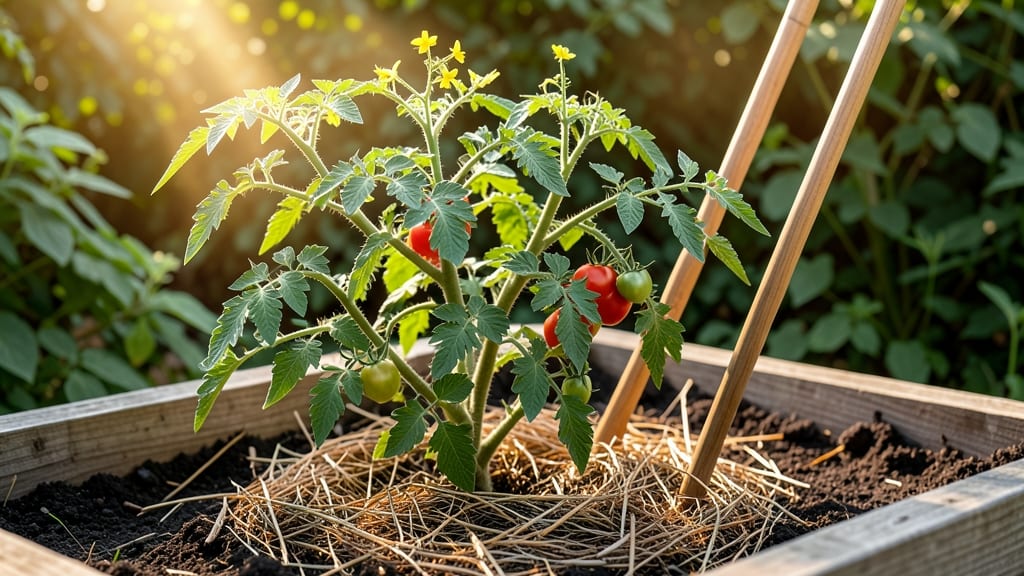
Growing tomatoes in containers means heavy harvests even in small spaces—if you master these tomato tips growing height hacks. 🌱 I’ve turned my balcony into a productive tomato patch by controlling growth the right way, and the secret isn’t complicated: it’s all about support, pruning, and timing.
What most gardeners miss is how much vertical space you can use without sacrificing yield.
The right setup starts with a 5-gallon pot per plant (bigger is better for indeterminate varieties) and a sturdy cage or trellis. I use bamboo stakes for my cherry tomatoes—they’re cheap, easy to find, and strong enough to hold 20-pound vines without bending.
Fill the pot with a light, well-draining mix (half potting soil, half compost) and add a handful of worm castings for that extra boost.
Once planted, focus on pruning suckers (those little shoots between the stem and branches) every two weeks. This might sound tedious, but it’s what turns a wild, sprawling mess into a structured, high-yielding plant.
Pinch off the suckers before they grow more than 2 inches long, and you’ll see thicker stems and more fruit within weeks.
The payoff? Tomatoes climbing vertically take up 90% less floor space while producing 30-50% more fruit than unpruned plants. Plus, you avoid the common mistake of overcrowding—something that leads to disease and poor airflow. Ready to transform your containers into a vertical feast?
📚 In This Guide
- What you need
- Instructions
- Tips and common mistakes
- Wrapping up and next steps
What you need
- ● Container: A 5-gallon pot or larger (minimum 12" deep, 18"+ ideal) with drainage holes. Size matters! Bigger = happier tomatoes. 🏺
- ● High-quality potting mix: Lightweight, well-draining blend (avoid garden soil). Look for labels like "tomato mix" or "container mix." 🌿
- ● Tomato plants: 1-2 healthy seedlings (determinate for compact growth, indeterminate for vines). Start with disease-resistant varieties like 'Cherry Roma' or 'Better Boy.' 🍅
- ● Support system: Cage or trellis (5-6 ft tall for indeterminate varieties).
- ● Stakes or bamboo poles (2-3 ft long) for smaller plants.
- ● Fertilizer: Balanced, slow-release granules (10-10-10 or 5-10-10) or liquid tomato fertilizer (follow package rates).
- ● Mulch: Straw or shredded leaves (2-3 inches) to retain moisture and suppress weeds.
- ● Self-watering system: A wicking bed kit or drip irrigation to keep soil consistently moist.
- ● Epsom salt: 1 tbsp/month for magnesium boost (especially for yellowing leaves).
- ● Compost or worm castings: 1 cup mixed into soil at planting for extra nutrients.
- ● Pruning shears: For pinching suckers (side shoots) to encourage upward growth.
- ● Reflective mulch: White plastic sheeting under containers to deter pests and warm roots.
Container-friendly height hacks for growing tomatoes
Here's how to coax towering, productive tomato plants from containers without sacrificing stability or yield.
🌱 Step 1: Choose Determinate Varieties and Sturdy Containers
Determinate tomato varieties like 'Roma' or 'Celebrity' stay compact, making them ideal for containers—reaching only 4-5 feet tall. Avoid indeterminate types unless you're prepared to prune aggressively. I use 5-gallon fabric grow bags for each plant because their breathable sides prevent root circling while providing strong support for heavy fruit loads.
Position containers where they'll receive full sun (6-8 hours daily) and won't be disturbed by wind. The wider the container's base, the better—18-24 inches in diameter gives roots room to anchor while preventing tipping. Fill with lightweight potting mix (never garden soil) amended with compost for nutrients and perlite to improve drainage.
☀️ Step 2: Install Support Systems Early
Install a cage or stake the day you transplant seedlings—waiting until plants are established risks damaging roots when you try to add support later. For determinate varieties, a 4-foot tomato cage works perfectly, while indeterminate types need a 6-foot bamboo stake or heavy-duty trellis to handle their unlimited growth. I drive the stake 6 inches deep into the soil at a 45-degree angle for maximum stability.
If using cages, choose metal or plastic (not wire) to prevent rust and sharp edges. For stakes, opt for thick bamboo or wooden dowels—thin stakes bend under fruit weight. Secure the plant to the support with soft plant ties (never wire) to avoid stem damage as the plant grows. Adjust ties every 2 weeks to accommodate new growth.
✂️ Step 3: Prune Strategically for Airflow and Fruit Load
Pruning isn't just about controlling height—it's about maximizing airflow and directing energy to fruit production. Remove suckers (the small shoots that form in the leaf axils) weekly to prevent overcrowding. I use clean, sharp pruners and cut sucker stems at their base—never tear them, as this can damage the main stem.
For determinate varieties, prune only sucker growth—never the main stem or lower branches. For indeterminate types, prune suckers below the first flower cluster to encourage upward growth. Thin fruit clusters to 5-6 tomatoes per truss when they're golf-ball sized—this prevents overburdening branches and ensures larger, sweeter fruit. Watch for yellowing leaves or cracked stems, which signal overproduction.
💧 Step 4: Water and Feed for Container-Specific Needs
Containers dry out faster than in-ground beds, so water deeply every morning until 1 inch of soil feels moist (check with your finger). I use a soaker hose or drip irrigation to deliver water at the base—never overhead, as wet foliage invites disease. Mulch with 2 inches of straw to retain moisture and regulate soil temperature.
Feed plants every 2 weeks with a balanced liquid fertilizer (10-10-10) once flowers appear. I mix 1 tablespoon of fertilizer per gallon of water and apply it in the early morning to avoid leaf burn. Avoid high-nitrogen fertilizers—they promote leafy growth at the expense of fruit. Instead, switch to a low-nitrogen, high-phosphorus formula (5-10-10) when flowers form to encourage blooming.
🌿 Step 5: Monitor and Adjust for Container Challenges
Watch for root-bound signs like slow growth, yellowing leaves, or roots circling the pot. If you see roots growing out of drainage holes, it's time to upgrade to a larger container (at least 2 gallons more volume). I repot in late spring when the plant is actively growing—choose a container only 2-3 inches larger in diameter to avoid shocking the roots with too much space.
Container tomatoes also face nutrient depletion faster than in-ground plants. If leaves yellow between veins, it's a sign of magnesium deficiency—apply Epsom salt (1 tablespoon per gallon of water) every 2 weeks until new growth appears. For calcium deficiencies (blossom-end rot), use crushed eggshells mixed into the soil or apply calcium nitrate according to package instructions.
Tips & tricks for container tomato growth secrets
Here's what nobody tells you about growing tomatoes in containers that actually works.
Support System Stability: The 6-inch deep, 45-degree angle stake installation in Step 2 is non-negotiable for wind-prone areas. I've seen plants topple when stakes aren't buried deep enough—especially with heavy fruit loads. For extra security, add a second stake on the opposite side of the plant after it reaches 2 feet tall. This creates a natural triangle that prevents swaying during storms.
Pruning Precision: When thinning fruit clusters to 5-6 tomatoes per truss in Step 3, focus on removing the smallest, misshapen tomatoes first. These compete for nutrients and often result in smaller, less flavorful fruit. I use a visual trick: if a tomato is smaller than a golf ball when I thin, it's out—this ensures only the strongest fruit remains. The 2-week tie adjustment schedule prevents stem damage as plants grow.
Container Size Intelligence: The 18-24 inch diameter container recommendation in Step 1 isn't just about width—it's about stability. I've found that wider containers prevent tipping better than tall, narrow ones, even when filled with heavy fruit. For varieties like 'Celebrity' that reach their 4-5 foot height quickly, add 2-3 inches of gravel or rocks to the bottom of the container before adding soil. This lowers the plant's center of gravity dramatically without reducing usable soil volume.
Watering Wisdom: The morning watering routine in Step 4 is crucial, but timing matters just as much. Water when the top inch of soil feels dry to the touch, but always water before 10 AM. This gives leaves time to dry completely before evening, reducing fungal disease risk. I've had success using a moisture meter in containers—aim for readings between 40-60% moisture for optimal growth without waterlogging.
Pro Tips for Tomato Tips Growing
- Here's what nobody tells you about growing tomatoes in containers that actually works.
- Support System Stability: The 6-inch deep, 45-degree angle stake installation in Step 2 is non-negotiable for wind-prone areas.
- Pruning Precision: When thinning fruit clusters to 5-6 tomatoes per truss in Step 3, focus on removing the smallest, misshapen tomatoes first.
Frequently asked questions
Got questions about growing tomatoes in containers? You’re not alone!
Here are some of the most common queries—plus quick, actionable answers to keep your plants thriving and your harvests bountiful.
How deep should my container be for growing tomatoes?
Tomatoes need at least 12–18 inches of depth to support their roots and prevent stunting. Deeper containers (24+ inches) are ideal for indeterminate varieties (like cherry tomatoes) that grow tall. Use a 5-gallon bucket or larger for best results—shallow pots will limit growth and yield.
When is the best time to transplant tomato seedlings into containers?
Wait until after the last frost and when nighttime temps stay above 50°F (10°C). Seedlings should be 4–6 inches tall with sturdy stems. Harden them off (acclimate to outdoor conditions) for 5–7 days before transplanting. Morning or evening is best to avoid stress from harsh sun.
How often should I water container-grown tomatoes?
Container tomatoes dry out faster than in-ground plants. Water daily during hot weather (check soil moisture—top inch should be dry) and every 2–3 days in cooler weather. Use self-watering containers or mulch with straw to retain moisture. Never let them wilt!
Why are my tomato leaves turning yellow, and how can I fix it?
Yellow leaves usually mean overwatering, nutrient deficiency, or pests. Check for:
- Overwatering: Let soil dry slightly between waterings.
- Nitrogen deficiency: Fertilize with a balanced tomato feed (10-10-10).
- Pests (aphids, spider mites): Spray with neem oil or insecticidal soap.
- Root issues: Ensure proper drainage—containers should have holes!
Can I grow tomatoes in containers without pruning?
Yes, but pruning boosts yields and airflow. If you skip it:
- Determinate varieties (bush tomatoes) handle it fine—just remove suckers below the first flower cluster.
- Indeterminate types (vining) may get disease-prone or produce fewer fruits.
- Quick fix: Trim leaves touching the soil and suckers (side shoots) to improve air circulation.
For heavy harvests, prune regularly—it’s worth the effort!
Wrapping up and next steps
Growing tomatoes in containers doesn’t have to be a challenge—with the right height hacks, support systems, and care tips, you’ll be enjoying a bountiful harvest in no time! 🌱 Whether you’re working with limited space or just love the convenience of container gardening, these strategies ensure your plants thrive while maximizing your yield. Now that you’re armed with the know-how, grab those supplies, get your hands dirty, and watch your tomato plants reach new heights—literally!
🚀 Your Next Step: Plant & Grow!
Ready to turn your container garden into a tomato powerhouse? Pick your favorite variety, prep your pots, and start planting today! Track your progress, experiment with different supports, and share your success with fellow gardeners. Happy growing—your future salads (and bragging rights) are waiting! 🍅✨