
Companion Plants
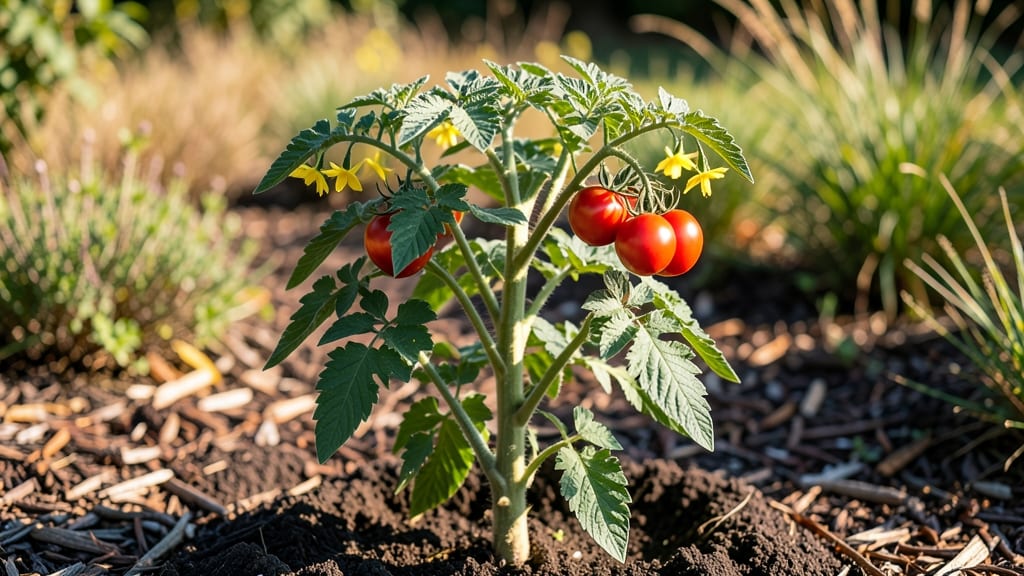
Determinate tomato plants are the secret weapon for small spaces and heavy harvests. 🌱 Unlike their sprawling cousins, these compact bushes produce all their fruit at once—perfect for sauces, canning, or fresh eating in a single glorious burst.
My first year growing them in containers proved they’re not just for big gardens: a single 5-gallon pot can yield 20+ pounds of tomatoes. The key difference? Determinate varieties stop growing after flowering, forming a neat bush that stays contained.
You’ll save space, avoid staking headaches, and still get a harvest that rivals indeterminate vines. Just match them to the right container—at least 1 gallon per foot of plant height—and they’ll thrive in partial shade too.
What you’ll love most is the timing: all your tomatoes ripen within a 2-3 week window, making canning and preserving a breeze. The trade-off? They need consistent watering and may need support if branches get heavy. But the payoff—jars of summer in January—makes it worth it.
Works for balconies, patios, or even sunny windowsills. Here’s how to get started without the guesswork.
📚 In This Guide
- What you need
- Instructions
- Tips and common mistakes
- Wrapping up and next steps
What you need
- ● Determinate tomato seedlings or seeds: Choose compact varieties like ‘Patio,’ ‘Tiny Tim,’ or ‘Balcony Red.’ (3–5 plants per container, depending on size.)
- ● Containers: At least 5-gallon pots (18" deep) for each plant. Use fabric grow bags or plastic pots with drainage holes.
- ● High-quality potting mix: A soilless blend with perlite or vermiculite (avoid garden soil—it compacts!). Aim for 10–15 cubic feet total for 3–5 plants.
- ● Balcony or trellis: A 4–5 ft tall cage or stake per plant to support vines (determinates are smaller but still need support!).
- ● Fertilizer: A balanced, slow-release fertilizer (10-10-10 or 5-10-10) or organic options like composted manure or worm castings.
- ● Mulch: Straw or shredded leaves to retain moisture and suppress weeds.
- ● Gloves & pruners: For handling plants and trimming suckers.
- ● Watering can or hose with gentle nozzle: Containers dry out fast—aim for 1–1.5 gallons per plant daily in hot weather.
- ● pH test kit: Keep soil pH between 6.0–6.8 for optimal nutrient uptake.
- ○ Optional: Drip irrigation system for automated watering.
- ● Mycorrhizal fungi inoculant to boost root health.
- ● Shade cloth (30–50%) for scorching-hot climates.
- ● Sunlight: 6–8+ hours of full sun daily (south- or west-facing spots are ideal).
- ● Temperature: Plant after last frost when soil temps are 55°F+.
- ● Space: Ensure containers are 12" apart for airflow (prevents disease).
Step-by-Step guide for growing determinate tomatoes in containers
Here's how I grow compact, productive tomato plants that thrive in pots and deliver fruit all season long.
🪴 Step 1: Select the Right Containers and Drainage
Determinate tomatoes need 5-gallon containers minimum—they grow bushy and heavy with fruit. I use fabric grow bags because they breathe better than plastic and prevent root circling. Drill extra drainage holes if your pot only has one; you want water to drain freely in 10-15 minutes after watering.
Place a 2-inch layer of gravel or broken pottery at the bottom before adding soil. This prevents clogging while still allowing water to escape. I always test drainage by filling the empty pot with water—if it drains in under a minute, it's ready for planting.
🌱 Step 2: Prepare Soil and Plant Transplants
Fill containers with a mix of 60% premium potting soil, 30% compost, and 10% perlite. This gives roots both moisture retention and aeration. Press the soil down gently to remove air pockets, then create a 2-inch deep hole in the center using your finger.
Remove the tomato plant from its nursery pot and tease the roots apart if they're circling. Place it in the hole so the top of the root ball sits ½ inch below the soil line—this prevents stem rot while allowing for settling. Backfill with soil and water deeply until it drains from the bottom.
☀️ Step 3: Position for Sunlight and Support
Determinate tomatoes need 6-8 hours of direct sun daily. A south-facing spot works best, but east or west exposures work too. I rotate my pots a quarter turn weekly so plants grow evenly—you'll notice leaves stretching toward the light if they're not getting enough.
Install a sturdy cage or stake immediately after planting. These plants grow 3-4 feet tall and top-heavy with fruit, so support prevents flopping. Tie the main stem loosely to the stake with soft plant ties, leaving room to grow.
💧 Step 4: Water and Fertilize Consistently
Water when the top 2 inches of soil feel dry. I use a drip irrigation system or watering can with a narrow spout to deliver moisture directly to the soil, avoiding wet leaves that spread disease. Mulch with 2 inches of straw to retain moisture and keep roots cool.
Feed every 2 weeks with a balanced 10-10-10 fertilizer diluted to half strength. You'll see new leaves emerge within a week—that's your signal everything is working. Stop fertilizing 4 weeks before harvest to improve fruit flavor.
✂️ Step 5: Prune and Harvest for Maximum Yield
Remove suckers (side shoots) that appear in the leaf axils to direct energy to fruit production. I pinch them off with my fingers when they're 2-3 inches long. Prune lower leaves that touch the soil to improve airflow and prevent disease.
Harvest when tomatoes are fully colored and slightly soft to the touch. Pick regularly—ripe fruit signals the plant to produce more. Determinate varieties produce all their fruit at once, so I harvest every 2-3 days during peak season to keep up with the bounty.
Tips & tricks for perfect container-grown determinate tomatoes
These simple but game-changing tips will help your potted tomato plants thrive and produce like champions.
Container Size Matters: While 5-gallon containers are the minimum, I've found that 7-gallon containers give plants more room to establish strong root systems—especially in hot climates. The extra space prevents roots from becoming root-bound too quickly, which is crucial during the 10-15 minute drainage test in Step 1. If you're growing multiple plants, space them at least 18 inches apart to prevent competition for nutrients and sunlight.
Soil Mix Secret: The 60-30-10 soil mix in Step 2 is perfect, but here's what I do differently: I add a handful of worm castings to the mix before planting. These provide gentle, slow-release nutrients that help plants establish faster. After planting, I press the soil down firmly around the base to eliminate air pockets—this helps prevent transplant shock and ensures the ½ inch below soil line planting depth stays accurate.
Sunlight Strategy: For the required 6-8 hours of direct sun, I've found that placing pots on a reflective surface like white gravel or a light-colored table increases light exposure by up to 20%. The extra light helps compensate if your location gets partial shade. During extreme heat, I move pots to slightly shadier spots in the afternoon to prevent wilting—determinate tomatoes can handle heat better than indeterminate varieties, but they still need protection from scorching.
Watering Wisdom: The top 2 inches dry rule in Step 4 works, but I've developed a better test: Stick your finger 2 inches deep—if it feels dry, water thoroughly until it drains from the bottom. I've seen many gardeners overwater because they rely only on surface moisture checks. Mulching with 2 inches of straw helps maintain even moisture, but I add a 1-inch layer of hydro-mulch crystals on top for extra insurance against evaporation on hot days.
Pro Tips for Determinate Tomato Plants
- These simple but game-changing tips will help your potted tomato plants thrive and produce like champions.
- Container Size Matters: While 5-gallon containers are the minimum, I've found that 7-gallon containers give plants more room to establish strong root systems—especially in hot climates.
- Soil Mix Secret: The 60-30-10 soil mix in Step 2 is perfect, but here's what I do differently: I add a handful of worm castings to the mix before planting.
Frequently asked questions
What’s the difference between determinate and indeterminate tomato plants?
Determinate tomatoes grow to a fixed size (usually 3–5 feet tall) and produce fruit all at once, making them ideal for containers or small gardens. Indeterminate varieties keep growing and yield fruit continuously until frost. If you want a quick harvest or limited space, determinate types are your best bet!
How long does it take for determinate tomatoes to bear fruit?
Most determinate varieties mature in 55–70 days from transplanting, depending on the cultivar and growing conditions. Start seeds indoors 6–8 weeks before your last frost date to ensure a timely harvest. Patience pays off—just imagine fresh tomatoes in summer!
Can determinate tomatoes thrive in containers, or do they need a garden bed?
Determinate tomatoes are perfect for containers—just use a 5-gallon pot or larger with drainage holes. Ensure they get 6–8 hours of sunlight daily and support them with a cage or stakes. Bonus: Container growing makes them mobile if weather turns sour!
Why are my determinate tomatoes cracking? How can I prevent it?
Cracking often happens due to uneven watering (too much after drought) or rapid growth. Keep soil consistently moist (not soggy) and mulch to retain moisture. For extra insurance, choose crack-resistant varieties like 'Mountain Merit' or 'Better Boy'—your tomatoes will thank you!
Are there any companion plants that pair well with determinate tomatoes?
Yes! Plant basil, marigolds, or onions nearby to deter pests and improve flavor. Avoid planting tomatoes with fennel or brassicas (like cabbage), as they compete for nutrients. A happy tomato garden is a balanced one—teamwork makes the harvest work!
Wrapping up and next steps
Growing determinate tomato plants in containers is a game-changer for gardeners with limited space—or just a love for compact, high-yielding harvests! 🌱 Their predictable growth and early fruiting make them perfect for balconies, patios, or small urban plots.
Whether you're a beginner or a seasoned gardener, these plants reward patience with delicious, homegrown tomatoes in record time.
Ready to dive in? Start by picking your favorite variety, gathering your supplies, and planting with confidence. Your first harvest could be just 6–8 weeks away! Happy gardening! 🍅✨