
Companion Plants
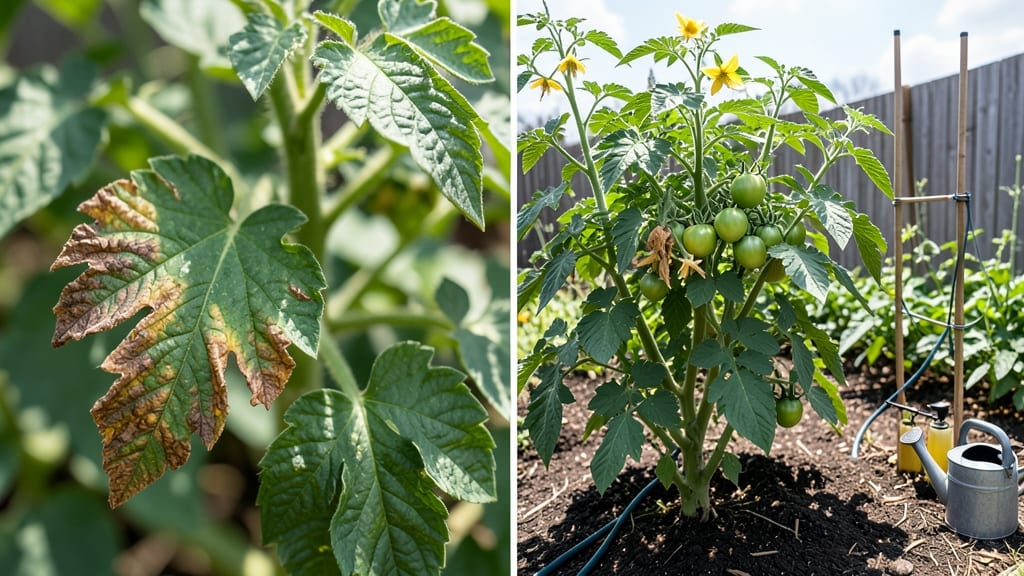
Your tomato plants’ crispy, brown-edged leaves aren’t just a summer quirk—they’re wind burn, and it’s easier to fix than you think. 🌿 I’ve seen this happen after just one afternoon of gusty winds, turning lush foliage into brittle paper overnight.
The good news? Simple shade solutions can save your plants before they even notice the damage.
Wind burn happens when strong breezes dry out leaves faster than roots can replace moisture, especially in hot, dry conditions. You’ll spot it as crispy edges on leaves, starting at the tips and working inward.
The plants themselves stay healthy—it’s just the leaves acting like they’ve been left in the sun too long. Mulching helps retain soil moisture, but windbreaks (even temporary ones like burlap or straw bales) are your best defense.
Most affected plants bounce back within a week if you act fast—just trim the damaged leaves and give them consistent water at the base. For severe cases, a light shade cloth (30-50%) during peak sun hours works wonders.
The key is catching it early: once the damage spreads to stems, recovery slows down. With these tricks, your tomatoes will stay green and productive all season.
This works for both garden beds and containers, and the same principles apply to peppers and eggplants too. No fancy tools needed—just a little strategy and a watchful eye. Let’s get those leaves looking healthy again!
Root Causes of Leaf Scorching
When your tomato plants develop crispy, brown edges or leathery patches, it’s often a sign of wind burn—a common but preventable issue. Understanding the why behind it helps you take targeted action.
Below, we break down the key culprits, backed by science, so you can protect your plants before damage sets in.
Tomato leaves are delicate, with a waxy cuticle that’s easily disrupted by strong, dry winds. When gusts exceed 10–15 mph, they strip moisture from leaf surfaces faster than roots can replenish it. This causes:
- Cell dehydration: Wind removes the protective film of water on leaves, leading to plasmolysis—where cells shrink and die due to water loss.
- Physical abrasion: Sand or dust particles in the wind act like sandpaper, scraping the epidermis and exposing tissues to pathogens.
- Heat stress: Wind accelerates evaporation, raising leaf temperatures 5–10°F above ambient air, mimicking heat stress symptoms.
Actionable insight: Leaves on the windward side (facing the wind) are most vulnerable. If your garden is open or near a highway, prioritize shielding these sides.
Wind burn often teams up with high temperatures and low humidity to create a perfect storm for leaf damage. Here’s how:
- Transpiration overload: Hot, dry air increases the plant’s water loss rate by up to 30%. Roots struggle to keep up, especially in sandy or rocky soil.
- Stomatal closure: To conserve water, tomato leaves close their stomata (pores), but this also blocks CO₂ intake, stunting photosynthesis and weakening the plant.
- Oxidative stress: Prolonged dehydration triggers the production of reactive oxygen species (ROS), which damage cell membranes and turn leaves brown.
Pro tip: 💡 Monitor your local heat index (combined heat + humidity). If it’s above 90°F, your tomatoes are at high risk—even without strong winds.
A healthy root system is your plant’s lifeline against wind burn. If roots can’t absorb enough water or nutrients, leaves become sitting ducks for environmental stress. Common root-related triggers:
- Compacted or dry soil: Roots in clay-heavy or waterlogged soil suffocate, while those in sandy soil dry out too quickly. Both scenarios limit water uptake.
- Shallow root systems: Young tomato plants or those in container gardens have fewer roots to draw from, making them 3x more susceptible to wind burn.
- Nutrient deficiencies: Low potassium (K) or calcium (Ca) weakens cell walls, making leaves more prone to dehydration damage.
Quick fix: Test your soil’s moisture retention by squeezing a handful—if it crumbles easily, amend with compost or coconut coir to improve water-holding capacity.
Key takeaway: Wind burn is rarely caused by a single factor. It’s usually a mix of physical wind damage + heat + poor hydration. By addressing all three, you’ll give your tomatoes the resilience they need to thrive—even in breezy conditions.
Quick fixes for sun-stressed tomatoes
Wind burn on tomato plants—those crispy, papery edges and wilted leaves—can feel like a setback, but the good news is that most solutions are simple, fast, and budget-friendly. The key is acting quickly to protect your plants while also preventing future damage.
Below, we’ve mapped out cause-specific fixes so you can tackle the problem head-on, plus prevention tips to keep your tomatoes thriving.
If your tomatoes are suffering from intense midday sun or high winds, they need immediate shade and hydration.
🔥 Step 1: Provide Emergency Shade Tomatoes can’t handle sudden heat spikes, especially in open or exposed areas. Act fast with these shade solutions: - Use shade cloth (30-50% coverage) over the plants for 2-3 hours around peak sun (10 AM–4 PM).
Secure it with stakes or clips to avoid tearing leaves. - Repurpose old sheets or row covers—lightweight fabrics work in a pinch. Just avoid plastic, which traps heat. - Plant temporary shade companions like bush beans or lettuce near the base of your tomatoes. Their foliage provides natural sunblock.
💦 Step 2: Hydrate Deeply & Frequently Wind burn dries out leaves faster, so watering smartly is critical: - Water at the base (not overhead) in the early morning to reduce evaporation.
Use a soaker hose or drip irrigation for precision. - Mulch heavily with straw, grass clippings, or wood chips to retain moisture and cool the soil. - Avoid wetting leaves—this can worsen sunburn. If you must water foliage, do it before 9 AM so leaves dry quickly.
🌡️ Step 3: Cool Down the Plants
- Mist leaves lightly in the evening (not during the day) to lower their temperature. Use a spray bottle or a fine misting nozzle.
- Move potted tomatoes to a shadier spot for a few days if possible.
If they’re in the ground, bury a terracotta pot filled with water near the base—it releases moisture slowly.
If strong winds are the culprit, your tomatoes need physical protection and structural support.
🏗️ Step 1: Shield Plants from Wind
- Install windbreaks using bamboo stakes, straw bales, or even a temporary fence on the windward side of your garden.
- Trellis or cage tomatoes if they’re not already supported.
Wind flails unsupported plants, tearing leaves and stems. - Prune aggressively—remove any damaged or brittle leaves to reduce wind resistance. Use clean pruners and sterilize them with rubbing alcohol to prevent disease.
🍳 Step 2: Strengthen Plant Resilience
- Fertilize with compost or a balanced organic fertilizer (like 5-5-5) to boost recovery. Avoid high-nitrogen feeds—they make plants soft and more prone to wind damage.
- Apply a seaweed or fish emulsion spray (diluted) to help cells recover faster.
These contain growth hormones that repair stress.
Once your tomatoes bounce back, prevent future wind burn with these low-effort strategies:
🌱 Plant Smartly
- Choose wind-resistant varieties like ‘Solar Fire,’ ‘Heatmaster,’ or ‘Mountain Merit’—they’re bred to handle heat and sun.
- Space plants 18-24 inches apart to allow airflow (but not so much that wind whips through).
- Use companion plants like marigolds, basil, or nasturtiums near tomatoes—they act as living windbreaks and deter pests.
🌿 Optimize Your Garden Layout
- Plant tomatoes near taller crops (like corn or sunflowers) on the windy side to block gusts.
- Avoid south-facing exposures if possible—opt for east-west rows to reduce direct afternoon sun.
- Raise beds or use containers to improve airflow and drainage, reducing heat stress.
💡 Pro Tips for Extreme Conditions
- 🔥 For desert climates: Use white or reflective mulch (like white plastic sheeting) to bounce back sunlight.
- 🌡️ For humid areas: Increase spacing and prune lower leaves to improve airflow and reduce fungal risks.
- ✨ For urban gardens: If your balcony gets scorching afternoon sun, rotate pots every few days to distribute light evenly.
By combining immediate fixes with long-term prevention, your tomato plants will recover faster—and stay resilient against future wind burn. Healthy leaves mean more tomatoes, so don’t let a little sun or wind stop you from a bountiful harvest! 🍅🌿
Frequently asked questions
How can I tell if my tomato leaves have wind burn vs. sunburn?
Wind burn shows as crispy, papery edges that start at leaf tips and work inward, often on multiple leaves at once. Sunburn appears as bleached or white patches on upper leaves facing direct sun, usually on just one side. Wind damage also feels brittle to the touch, while sunburned areas may look leathery or scalded.
Will my tomato plants recover from wind burn?
Yes! If you catch it early, most plants bounce back within 5-7 days with proper care. Trim damaged leaves and focus on deep watering at the base. For severe cases, provide 30-50% shade cloth during peak sun hours. The plant itself stays healthy—it's just the leaves that need time to regrow.
What's the fastest way to protect tomato plants from wind damage?
For immediate relief, set up a temporary windbreak using straw bales or bamboo stakes on the windward side. Add mulch around the base to retain moisture, and water deeply in the morning. If you have old bedsheets, drape them lightly over plants to reduce wind exposure without blocking sunlight completely.
Can I use household items to prevent wind burn?
Try these DIY solutions: Old window screens as lightweight windbreaks, cardboard boxes filled with straw for temporary barriers, or even plastic milk jugs with the bottoms cut off as mini wind shields. Just avoid anything that blocks all sunlight—tomatoes still need 6-8 hours of light daily.
Will pruning help prevent wind burn?
Yes, but strategically! Prune only the most damaged leaves to reduce wind resistance. Avoid heavy pruning—remove no more than 20% of foliage at once. Focus on leaves near the plant's center where wind pressure builds up. Always use clean, sharp pruners to prevent disease from entering through cuts.