
Plants
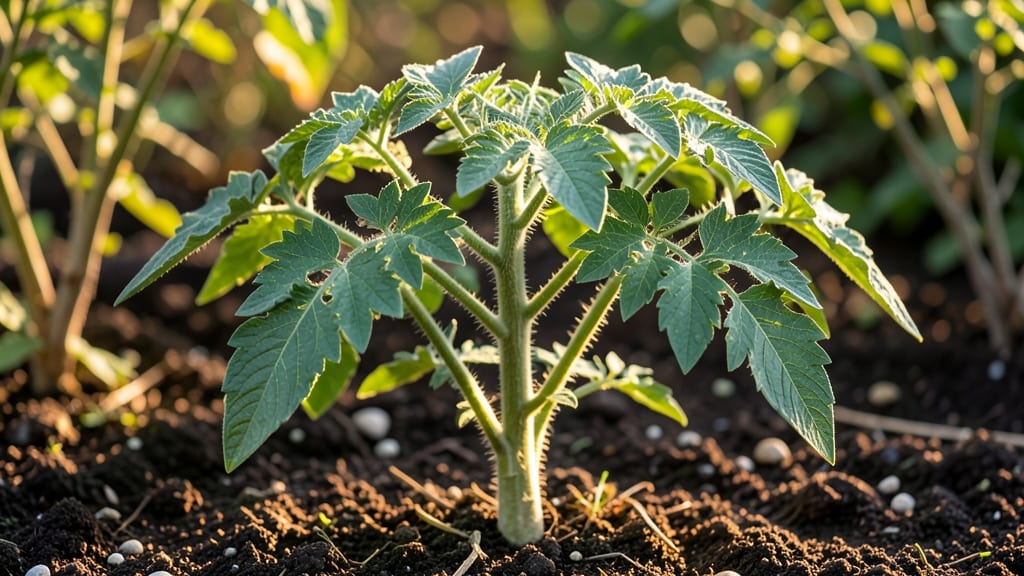
Tomato plants not flowering?
That heartbreaking sight of lush vines and no fruit is usually one of just three issues—and they’re all fixable. 🌱 I’ve rescued more tomato plants from blossom drop than I can count, and the solutions are simpler than you’d think: sunlight, temperature, and the right fertilizer balance make all the difference.
The most common culprit is too much nitrogen—yes, that’s the same stuff that makes leaves grow fast. My first garden mistake was feeding my tomatoes like a salad crop, and the result was all greenery, no tomatoes.
Even worse, extreme heat or cold shocks can halt flowering entirely, while pests like aphids suck the energy right out of your plant’s ability to produce.
Start by moving plants to a sunnier spot (tomatoes need 6-8 hours of direct sun daily) and switch to a balanced fertilizer (look for a 5-10-10 ratio). Prune suckers aggressively to redirect energy to fruit production, and watch for pests—neem oil is your secret weapon here.
Within 2-3 weeks, you’ll see flowers return and set fruit.
This works for all tomato varieties—heirlooms, cherry, beefsteak—no matter your climate. The key is acting fast once you spot the problem. Let’s get those blossoms turning into tomatoes!
Root Causes Of Blossom Failure
Tomato plants are thrilling to grow—until they refuse to flower. 🌱😬 When your plants put all their energy into lush green leaves but skip the blossoms entirely, the problem almost always boils down to environmental stress, hormonal imbalances, or poor growing conditions.
Let’s break down the science behind why your tomatoes are playing hard to bloom.
Tomatoes are warm-season plants, meaning they need consistent temperatures between 55°F and 85°F (13°C–29°C) to trigger flowering. If conditions stray too far from this range, the plant’s hormonal signals get scrambled.
- Too Cold? Below 50°F (10°C) at night or 60°F (15°C) during the day, tomato plants halt flower production entirely. Cold stress also causes blossom drop—flowers form but fall off before setting fruit. - Too Hot? Above 90°F (32°C), pollen production stops, and flowers may abort.
Heat stress also disrupts ethylene gas, a natural plant hormone that signals flowering.
💡 Pro Tip: If your region has late spring frosts or sweltering summers, opt for heat-tolerant varieties like 'Solar Fire' or 'Heatmaster'—they’re bred to keep blooming in tough conditions.
Tomatoes are photoperiod-sensitive, meaning they need 12+ hours of sunlight daily to trigger flowering. Without enough light, the plant prioritizes leaf growth over reproductive efforts.
- Indoor or Shady Growth? If your plants get less than 6 hours of direct sun, they’ll stay in a vegetative growth phase indefinitely.
- Overcast Weather? Cloud cover reduces photosynthesis efficiency, weakening the plant’s ability to produce flowers.
- Artificial Lighting? If using grow lights, LED or full-spectrum bulbs (12,000–15,000 lux) work best—incandescent bulbs won’t cut it.
🔥 Fix It Fast: Move potted plants to a sunnier spot or supplement with grow lights for 14–16 hours/day if natural light is lacking.
Tomatoes need a precise nutrient balance to flower. Too much or too little of certain elements can delay or prevent blossoming.
| Nutrient Issue | Symptoms | Solution |
|---|---|---|
| Too Much Nitrogen (N) | Lush green leaves, no flowers, weak stems | Switch to a low-N fertilizer (5-10-10 or 3-4-6 ratio) |
| Phosphorus Deficiency (P) | Purple stems/leaves, stunted growth, few flowers | Apply bone meal or phosphorus-rich fertilizer (10-20-10) |
| Potassium Deficiency (K) | Yellow leaf edges, weak stems, poor fruit set | Use potassium sulfate or wood ash |
| Calcium Deficiency (Ca) | Blossom end rot (after flowers form), weak cell walls | Add crushed eggshells or calcium nitrate |
✨ Bonus Hack: A foliar spray of seaweed extract (rich in auxins and cytokinins) can boost flowering hormones naturally.
Tomatoes are sensitive to moisture fluctuations, and both overwatering and underwatering can shut down flowering.
- Overwatering Issues:
- Root rot (from soggy soil) starves roots of oxygen, halting nutrient uptake.
- Excessive humidity promotes fungal diseases (like early blight), weakening the plant.
- Underwatering Issues:
- Drought stress causes abscisic acid buildup, a hormone that triggers flower drop.
- Wilting leaves reduce photosynthesis, leaving no energy for blooms.
🌡️ Perfect Watering Rule: Keep soil consistently moist but not waterlogged—1 inch (2.5 cm) of water per week (adjust for rain). Drip irrigation is best to avoid wetting leaves.
Tomatoes rely on balanced growth hormones—too much pruning or rough handling can throw them off.
- Aggressive Pruning: Removing too many suckers or leaves early on reduces the plant’s energy reserves, delaying flowering.
- Transplant Shock: Moving mature plants disturbs root systems, causing a growth pause while they recover.
- Root Binding: If roots are circling in a pot, they can’t absorb enough water/nutrients, stalling blooms.
🔪 Pruning Best Practices:
- Pinch suckers (side shoots) after the first flower cluster forms.
- Avoid heavy pruning in hot weather—wait for cooler days.
- Transplant only when seedlings are 4–6 inches tall with strong stems.
Pests and pathogens drain energy from your tomato, leaving it too weak to flower.
- Common Culprits:
- Aphids, whiteflies, or spider mites (sap-sucking pests) reduce photosynthesis.
- Fungal diseases (like powdery mildew) clog stomata, limiting gas exchange.
- Nematodes (microscopic worms) damage roots, cutting off nutrient flow.
💪 Prevention & Fix:
- Neem oil spray (natural pesticide/fungicide).
- Row covers to block pests early.
- Crop rotation to prevent soil-borne diseases.
Flowering failures in tomatoes almost always come down to one (or more) of these key issues: ✅ Temperature swings (too hot or too cold) ✅ Light deprivation (not enough sun or weak grow lights) ✅ Nutrient imbalances (too much N, not enough P/K/Ca) ✅ Water stress (drought or overwatering) ✅ Physical stress (pruning too hard, transplant shock) ✅ Pests/diseases (sapping energy)
The good news? Most of these are easily fixable with simple adjustments. Once you identify the root cause, your tomatoes will be blooming (and fruiting!) in no time. 🍅🌸
Quick Fixes for Stubborn Tomato Blooms
When your tomato plants are throwing a tantrum and refusing to flower, don’t panic—just adjust! The right tweaks can coax those blossoms into action. Below, we’ve mapped out practical solutions for the most common causes of flower failure, along with prevention tips to keep your plants happy and productive.
Tomatoes are warm-weather babies—they need consistent temperatures (ideally 65–85°F during the day, 55–70°F at night). If it’s too hot or cold, they’ll drop blossoms faster than a bad date.
How to Fix It:
✅ For Cold Stress:
- Move potted plants to a sheltered spot (like near a sunny wall or under a cloche).
- Use row covers or black plastic mulch to absorb and retain heat.
- If frost is forecast, cover plants with blankets or burlap at night.
✅ For Heat Stress (Above 90°F):
- Provide afternoon shade with shade cloth (30–50% coverage).
- Water deeply in the morning to cool the soil and roots.
- Choose heat-tolerant varieties like ‘Solar Fire’ or ‘Heatmaster’ next season.
💡 Pro Tip: If nights dip below 55°F, blossoms may abort—consider greenhouse growing or a hoop house for extended seasons.
Tomatoes hate inconsistent watering—too little or too much can cause blossom drop. Even worse? Wet leaves from overhead watering invite fungal diseases like blight, which weakens plants.
How to Fix It:
🔥 💦 Fix Drought Stress:
- Water deeply 1–2 times per week (1–1.5 inches total) instead of daily shallow drinks.
- Use a soaker hose or drip irrigation to deliver water directly to the roots.
- Mulch heavily (straw or wood chips) to lock in moisture.
🍳 🚫 Stop Overwatering:
- Check soil moisture 2 inches down—if it’s damp, wait to water.
- Ensure pots have drainage holes to prevent soggy roots.
- Water early in the day (before 10 AM) to let foliage dry.
👨🍳 🌱 Prevention Hack:
- Self-watering containers or oasis soil cubes can automate moisture control.
- Drip irrigation on a timer keeps watering consistent.
If your tomatoes are leafy but lazy, they’re likely getting too much nitrogen (N) and not enough phosphorus (P) or potassium (K)—the "bloom boosters."
How to Fix It:
🔪 📊 Adjust the Fertilizer Formula:
- Switch to a balanced or bloom-boosting fertilizer (look for 5-10-10 or 10-20-20 ratios).
- Side-dress with compost or bone meal (high in phosphorus) when flowers appear.
- Avoid high-nitrogen fertilizers (like lawn food) once buds form.
⏰ 🌱 Timing Matters:
- First 4–6 weeks: Focus on nitrogen for leaf growth.
- When buds form: Shift to phosphorus-heavy feeds (like fish emulsion or tomato-specific bloom boosters).
- Fruiting stage: Add potassium (banana peels or wood ash) for stronger stems and disease resistance.
💡 🎯 Pro Tip:
- Epsom salt (magnesium sulfate) can help if older leaves yellow—mix 1 tbsp per gallon of water and spray foliage every 2 weeks.
Sometimes, hidden stressors like root-bound pots, pests, or transplant shock sabotage flowering. Don’t overlook these sneaky saboteurs!
How to Fix It:
🔥 🌱 Fix Root Stress:
- Repot if roots are circling the container (choose a pot 2–3 inches larger).
- Prune lower leaves to improve airflow and reduce disease risk.
🍳 🐛 Pest Patrol:
- Aphids, whiteflies, or spider mites suck sap and weaken plants—blast them off with water or use neem oil spray.
- Corn earworm moths can chew buds—handpick larvae or use row covers at night.
👨🍳 🌿 Give Them Space:
- Thin plants so they’re 18–24 inches apart (crowding stresses them).
- Prune suckers (side shoots) to redirect energy to flowers/fruit.
If all else fails, try these quick hacks to shock your plants into action: - 🔥 Heat Shock: Move pots to a warmer spot (like a sunny patio) for a few days. - 💧 Water Stress Trick: Let soil dry out completely for 2–3 days, then water deeply.
(Works best in heatwaves.) - 🌱 Transplant Shock: If plants are in the ground, lightly scratch the stems to encourage new root growth.
Final Thought: Most tomato flower failures are fixable with small adjustments—just give your plants the right conditions, and they’ll reward you with bountiful harvests! 🍅🔥
Frequently asked questions
Why are my tomato plants growing leaves but no flowers at all?
This is almost always caused by too much nitrogen in your fertilizer. Tomatoes prioritize leaf growth when they get excessive nitrogen, delaying flowering. Switch to a balanced fertilizer with a lower first number (like 5-10-10) and focus on phosphorus (the middle number) to encourage blooms.
Can extreme heat or cold really stop tomato flowers from forming?
Tomatoes need temperatures between 55-85°F (13-29°C) to flower properly. Below 50°F (10°C) at night or above 90°F (32°C) during the day, flowering halts completely. Use shade cloth for heat protection or row covers for cold nights to maintain ideal conditions.
How much sunlight do tomato plants really need to flower?
Tomatoes require 6-8 hours of direct sunlight daily to trigger flowering. Without enough light, they stay in vegetative mode. If your plants are indoors or in shady spots, supplement with grow lights (12,000-15,000 lux) for 14-16 hours per day to encourage blooms.
What should I do if my tomato plants start flowering but then drop all the blossoms?
This usually happens due to temperature swings or water stress. Keep soil consistently moist (1 inch per week) and avoid wetting leaves. For temperature issues, move plants to a more stable environment—below 55°F (13°C) nights or above 90°F (32°C) days cause blossom drop.
Is it too late to fix my tomato plants if they're already 6 weeks old and still not flowering?
Not at all! Even mature plants can be coaxed into flowering. Start by adjusting your fertilizer to a bloom-boosting formula (like 10-20-20), ensure they get full sun, and check for pests. With the right care, you should see flowers within 2-3 weeks, though fruit production may be delayed.