
Diseases
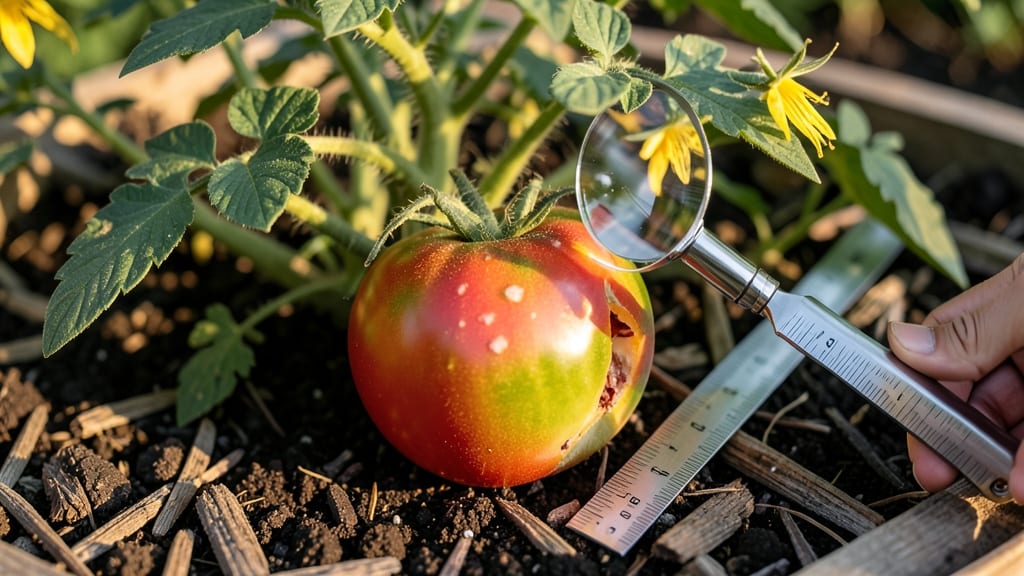
White spots under the skin of your 🍅 tomatoes are a common sign of blossom end rot, a frustrating problem that ruins flavor and yield.
When you slice into a tomato expecting juicy perfection but instead find unsightly white spots under the skin, panic sets in—especially if you’ve invested time and care into your garden.
These spots aren’t just cosmetic; they’re often the first warning signs of blossom end rot, a calcium deficiency that spreads quickly if ignored.
This issue isn’t just about ugly fruit—it can also signal deeper problems like poor soil health or inconsistent watering. The good news? With the right fixes, you can salvage your harvest and prevent future outbreaks before they start.
In this guide, I’ll walk you through how to identify these spots, why they happen, and step-by-step solutions—from quick fixes to long-term prevention—to keep your tomatoes healthy and blemish-free.
4 Clear signs of blossom end rot causing white spots in tomatoes
When you slice into a tomato expecting juicy perfection but instead find unsightly white spots under the skin, your first thought might be spoilage or poor storage.
However, these spots are often a telltale sign of blossom end rot, a calcium-related disorder that attacks tomatoes during their growth phase. Unlike fungal infections, this issue starts internally and spreads quickly if left unchecked.
The key to saving your harvest lies in early detection. Blossom end rot begins with small, pale spots near the fruit’s blossom end (the bottom). These spots grow larger, turn brown, and develop a leathery texture as calcium deficiency worsens.
The challenge? Mimicking other tomato problems like sunscald or bacterial spot.
Here’s how to distinguish blossom end rot from other issues using visual clues and plant behavior. Pay attention to these 4 clear signs to confirm the problem and act fast.
Sign #1: White Spots Near the Blossom End is the most reliable indicator. These spots start as tiny, pale areas but quickly expand into sunken, leathery patches. Unlike fungal spots, they rarely appear on leaves or stems—focus on the fruit’s bottom.
Sign #2: Sunken, Darkened Areas develop as the disorder progresses. Use your fingernail to test: healthy tomato flesh springs back, but affected areas stay indented. This confirms calcium deficiency has caused cell death.
Sign #3: Multiple Fruits Affected Simultaneously is another red flag. Blossom end rot targets young fruits first, often in clusters. If you see 3+ tomatoes with white spots in the same batch, it’s likely this disorder—not isolated damage.
Sign #4: No Visible Mold or Lesions sets it apart from fungal/bacterial issues. Blossom end rot is sterile—no fuzzy growth, ooze, or crusty textures. If you spot these, cross-reference with the table above to rule out other problems.
Pro tip: Cut open a suspicious tomato lengthwise. Blossom end rot shows white, hollowed-out areas near the core, while sunscald appears as dry, discolored patches on the sun-exposed side. This visual test saves time and prevents misdiagnosis.
Acting early is critical. If you confirm blossom end rot, focus on calcium-rich amendments and consistent watering. The next section covers immediate fixes and long-term prevention strategies to protect your entire crop.
How to fix white spots and prevent blossom end rot in your garden
Blossom end rot is one of the most frustrating tomato problems, but the good news is it’s often preventable with the right soil amendments and watering habits.
The white spots under your tomato skin are a clear sign of calcium deficiency, where the plant can’t absorb enough calcium to support fruit development. Let’s tackle this issue head-on with practical solutions tailored to your garden setup.
First, identify whether your tomatoes are in containers, raised beds, or in-ground soil—this determines the best approach. For example, container-grown tomatoes dry out faster and need more frequent calcium boosts, while in-ground plants might benefit from deeper soil amendments.
The key is acting fast to save existing fruit and implementing long-term fixes to protect future harvests.
⚠️ callout warning
If you see white spots or sunken areas on the blossom end of your tomatoes, these are classic signs of blossom end rot. Unlike fungal diseases, this isn’t contagious, but it will worsen if ignored. Act now by:
- ✅ Remove affected fruit immediately to prevent further calcium loss.
- ✅ Water deeply but less frequently—tomatoes need moisture, but inconsistent watering stresses roots.
- ✅ Add calcium-rich amendments like crushed eggshells or gypsum to the soil.
Note: Overwatering or drought stress can trigger this issue, so balance is key!
For immediate fixes, focus on calcium supplementation. Sprinkle crushed eggshells around the base of your plants or mix gypsum (calcium sulfate) into the top 2 inches of soil. Eggshells take 2-3 months to break down, so start now for faster results.
If you’re in a hurry, use a liquid calcium nitrate spray (follow label instructions) to provide quick uptake. Remember, calcium moves from older leaves to newer growth, so healthy foliage is critical.
Adjust your watering routine to prevent future outbreaks. Tomatoes need consistent moisture, but avoid letting soil dry out completely between waterings. Use drip irrigation or soaker hoses to deliver water directly to the roots, keeping leaves dry and reducing stress.
Mulch with straw or shredded leaves to retain moisture and regulate soil temperature—this is especially important in raised beds where soil can dry out faster.
Long-term prevention starts with soil health. Test your soil’s pH (aim for 6.0-6.8) and add compost or well-rotted manure to improve nutrient availability. If your soil is heavy clay, mix in sand or perlite to enhance drainage.
For container gardens, use a high-quality potting mix with added calcium and repot every 2-3 years to refresh nutrients. Regularly fertilize with a balanced organic fertilizer (like 5-5-5) to support overall plant health.
Don’t overlook organic sprays as a preventive measure. A seaweed extract spray (rich in calcium and trace minerals) can boost plant resilience. Spray foliage every 2-3 weeks during the growing season, especially if you’ve noticed early signs of stress.
Pair this with neem oil spray to deter pests that might weaken your tomatoes, making them more susceptible to calcium deficiencies.
With these steps, you’ll not only fix existing white spots but also create an environment where your tomatoes thrive. Keep an eye on new fruit—healthy, firm tomatoes with no white spots are the reward for your efforts! 🌱