
Companion Plants
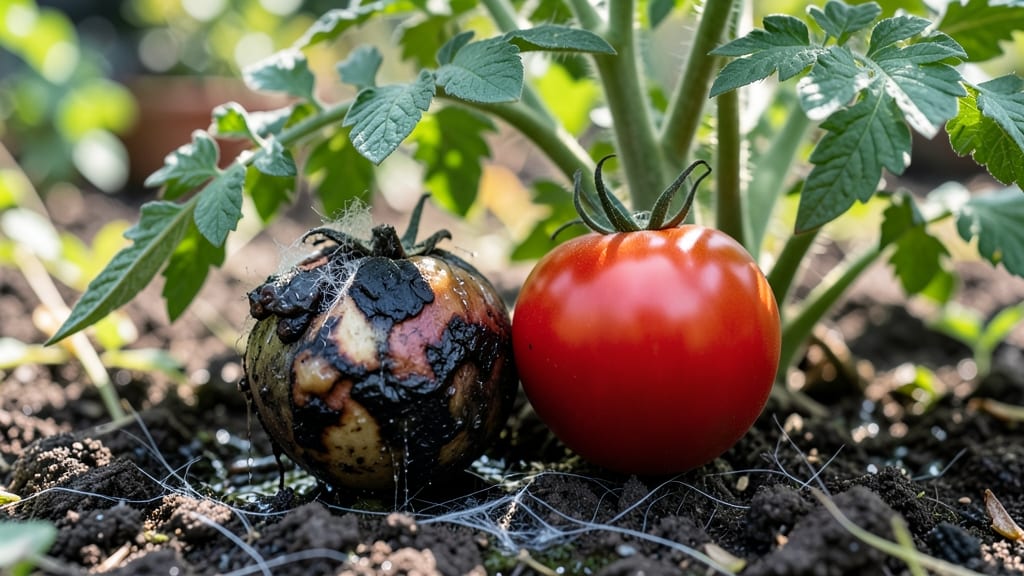
Your tomato plants rotting on the bottom isn’t just ugly—it’s a silent harvest killer. 🌱 I’ve watched entire batches of heirlooms turn to mush overnight, and the fix isn’t as hard as you’d think.
Blossom end rot (that telltale sunken, leathery spot) and root rot (mushy stems) are two different villains, but both share the same cure: calcium, consistency, and smart watering.
The real culprit? Calcium deficiency from uneven watering or soil pH swings. Tomatoes need steady moisture—never soggy, never dry—and a soil pH between 6.2 and 6.8. My first fix? A 1 tablespoon of crushed eggshells per plant, worked into the soil.
For immediate help, mix 1 teaspoon of calcium chloride in a gallon of water and apply it to the soil (not leaves).
Within 2-3 weeks, new growth stays firm and fruit develops without those ugly bottoms. Mulch with straw to keep moisture even, and water at the base—never overhead—so you avoid splashing rot onto leaves. The best part? This works for all tomato varieties, from cherry to beefsteak.
For stubborn cases, prune off the worst rot and focus on morning watering to let foliage dry before evening. The secret’s in the details: consistent care, not just quick fixes. Your next harvest will thank you.
Root Causes Of Bottom Rot
When your tomato plants start showing signs of rot at the blossom end, it’s often a sign that something’s gone awry in their growing conditions. Understanding the underlying causes is the first step toward preventing—and curing—this frustrating issue.
Below, we break down the most common reasons your tomatoes are rotting from the bottom, along with the science behind each problem.
Tomatoes are thirsty plants, but too much water—especially when the soil doesn’t drain properly—can lead to blossom end rot (BER). Here’s why:
- Calcium Leaching: Excess water washes away calcium, a critical nutrient for cell wall strength. Without enough calcium, the bottom of the tomato (where cells are youngest and most vulnerable) softens and rots.
- Oxygen Starvation: Waterlogged soil cuts off oxygen, stressing roots and reducing their ability to absorb nutrients—including calcium.
- Fungal Growth: Stagnant water creates the perfect environment for Phytophthora and other soil-borne pathogens, which attack weakened plant tissues.
Actionable Fix: Use well-draining soil (add perlite or compost) and water deeply but infrequently—aim for 1–1.5 inches per week, adjusting for rain.
Calcium is the building block of cell walls, and a deficiency—even in fertile soil—can cause BER. Here’s how it happens:
- pH Imbalance: Soil pH below 6.0 or above 7.0 locks out calcium, making it unavailable to roots.
- Competition for Uptake: Excess nitrogen or potassium can "outcompete" calcium, leaving your tomatoes starved.
- Root Stress: Hot or cold soil temperatures (<60°F or >90°F) slow root activity, reducing calcium absorption.
Actionable Fix: Test your soil pH (6.2–6.8 is ideal) and amend with crushed eggshells, gypsum, or calcium nitrate. Mulch to keep roots cool.
Tomatoes thrive in consistent warmth (70–85°F), but sudden temperature drops—especially at night—disrupt calcium uptake. Here’s the science:
- Root Slowdown: Cold soil (<55°F) reduces root respiration, limiting nutrient absorption.
- Transpiration Stress: Hot days + cold nights cause rapid water loss, throwing off calcium distribution.
- Enzyme Inhibition: Extreme heat or cold disrupts enzymes that help transport calcium to growing fruit.
Actionable Fix: Use row covers for nighttime protection, mulch heavily, and avoid planting in low-lying areas where cold air pools.
While BER is often nutrient-related, fungal and bacterial infections can mimic rot symptoms. The culprits:
- Phytophthora (Water Mold): Thrives in wet conditions, causing dark, mushy rot.
- Fusarium or Verticillium Wilt: Block water/nutrient flow, leading to fruit collapse.
- Bacterial Soft Rot (Pectobacterium): Breaks down cell walls, turning fruit to mush.
Actionable Fix: Rotate crops, sterilize soil with solarization or compost, and avoid overhead watering. If infected, remove affected plants immediately.
Pro Tip: 💡 Companion plants like borage or marigolds can improve soil health and deter pathogens—try pairing them with your tomatoes!
Fixing Bottom Rot in Tomatoes
Now that you know the causes behind your tomato plants rotting on the bottom, it’s time to take action! The good news? Most fixes are simple, cost-effective, and can save your harvest. Below, we’ll break down practical solutions tailored to each root cause—plus prevention tips to keep your tomatoes thriving.
H3: 💧 Adjust Your Watering Routine Blossom end rot thrives when calcium uptake is inconsistent. Here’s how to fix it:
- Water deeply but infrequently—aim for 1–1.5 inches per week (including rain). Shallow watering stresses roots and prevents calcium absorption.
- Use drip irrigation or soaker hoses instead of overhead sprinklers. This keeps moisture consistent and avoids splashing dirt onto fruit (which can introduce disease).
- Water in the morning to allow foliage to dry before evening, reducing rot risks.
H3: 🧂 Boost Calcium Naturally Tomatoes need calcium to develop strong cell walls. Try these fixes:
- Add crushed eggshells to the soil around plants (let them dry and grind into a powder first). Work them into the top 2–3 inches of soil.
- Use a balanced fertilizer (like 10-10-10) or a calcium-specific amendment (e.g., gypsum or bone meal). Follow package instructions for application rates.
- Mix compost tea (rich in micronutrients) into your watering can. Steep well-aged compost in water for 24–48 hours, then strain and use.
H3: 🌡️ Stabilize Soil Moisture & Temperature
- Mulch heavily with straw or shredded leaves to retain moisture and prevent temperature swings.
- Avoid heavy feeding during fruiting—too much nitrogen can worsen calcium deficiency. Switch to a low-nitrogen, high-calcium fertilizer if needed.
H3: 🏗️ Improve Soil Drainage If your soil is compacted or clay-heavy: - Amend with organic matter: Mix in compost, peat moss, or perlite to loosen the soil.
Aim for a 50/50 mix of native soil and amendments. - Raise beds or containers: If drainage is chronically poor, grow tomatoes in elevated beds or pots with drainage holes. - Test your soil: A simple pH test kit (ideal range: 6.0–6.8) can reveal if compaction or acidity is the issue.
H3: ⏰ Space Out Watering Sessions
- Let the top 1–2 inches of soil dry between waterings. Stick your finger in the soil—if it’s damp, wait.
- Use a moisture meter for precision, especially in hot climates where evaporation is rapid.
H3: 🧼 Clean Up & Sanitize - Remove rotting fruit immediately—don’t compost it!
Toss it in the trash to prevent spores from spreading. - Sterilize pruners with rubbing alcohol or a 10% bleach solution between cuts. - Rotate crops—never plant tomatoes (or nightshades like peppers/eggplants) in the same spot next year.
H3: 🌿 Use Fungicidal Sprays (Preventively)
- Copper fungicide (e.g., Bonide Copper Fungicide) or neem oil can prevent bacterial spot and early blight. Spray every 7–10 days during humid weather.
- Baking soda spray (1 tbsp baking soda + 1 tsp dish soap + 1 gallon water) helps control fungal issues. Test on a few leaves first.
H3: 🌡️ Optimize Airflow & Spacing
- Prune suckers and lower leaves to improve airflow. Aim for 18–24 inches between plants and 3–4 feet between rows.
- Avoid overhead watering—it spreads pathogens. Stick to drip lines or hand-watering at the base.
- 🌱 Start with healthy seedlings: Buy disease-resistant varieties (e.g., ‘Mountain Merit’ or ‘Celebrity’) or grow from sterilized seeds. - 🍅 Harvest early: Pick tomatoes as soon as they ripen to reduce stress on the plant. - 🌡️ Watch the weather: Sudden heat waves or cold snaps can trigger rot.
Use row covers in spring/fall if needed. - 📊 Monitor pH levels: If your soil is too acidic (<6.0), add lime to raise the pH gradually.
- Calcium fixes: You may see improvement in 5–7 days, but consistent care is key.
- Drainage fixes: Amendments take 1–2 weeks to show effects; raised beds help immediately.
- Fungal/bacterial fixes: Sprays work best as preventative measures—once rot starts, removal is the fastest solution.
With these steps, your tomato plants should bounce back—and you’ll be on your way to a bountiful, rot-free harvest! 🍅✨
Frequently asked questions
Why do my tomato fruits rot only at the bottom?
This is classic blossom end rot—a calcium deficiency caused by uneven watering or soil pH issues. The bottom of the tomato (where it attaches to the plant) develops first and needs calcium to strengthen its cell walls. When watering is inconsistent or soil is too acidic/alkaline, roots can't absorb enough calcium, leading to that telltale sunken, leathery spot.
Can I save tomatoes already showing bottom rot?
Unfortunately, once rot sets in, you can't salvage the fruit itself—but you can save the plant! Prune off the worst-affected tomatoes immediately to redirect the plant's energy. Focus on fixing calcium levels (crushed eggshells or calcium nitrate) and adjusting your watering routine. New growth should develop without rot within 2-3 weeks if you address the root cause.
Is bottom rot contagious between tomato plants?
Not directly, but fungal/bacterial infections (like Phytophthora) that mimic rot symptoms can spread. Remove all rotting fruit immediately and sterilize pruners with rubbing alcohol. Improve airflow between plants by pruning lower leaves and spacing them 18-24 inches apart. For prevention, use drip irrigation instead of overhead watering to avoid splashing pathogens onto leaves.
Will compost tea fix bottom rot?
Compost tea can help, but it's not a standalone fix for calcium deficiency. The micronutrients in compost tea may improve overall plant health, but you'll still need to address calcium specifically—try crushed eggshells or gypsum. For best results, combine compost tea with consistent watering (1-1.5 inches per week) and proper soil pH (6.2-6.8).
Can I use Epsom salt for tomato bottom rot?
Epsom salt (magnesium sulfate) won't fix bottom rot—it's actually for magnesium deficiency, not calcium. For true blossom end rot, focus on calcium sources like crushed eggshells or calcium nitrate. However, if your soil is magnesium-deficient (yellowing between leaf veins), a light application of Epsom salt (1 tablespoon per gallon of water) every 4-6 weeks can help—but it won't stop the rot.