
Companion Plants
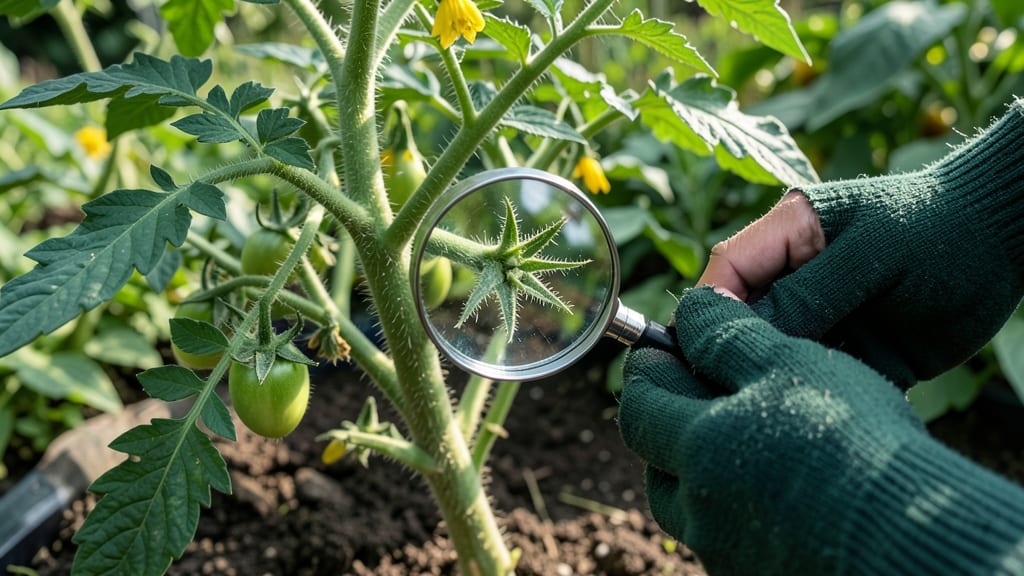
Tomato plants making you itch? That stinging sap and pollen can turn gardening into a misery. 🌱 I’ve battled the same irritation for years—until I discovered a garlic-chili spray that creates a protective barrier between skin and plant. No more scratching after harvesting or pruning.
The culprit is often solanine in the leaves or latex-like sap that triggers allergic reactions. Some varieties (like cherry tomatoes) are milder, but the real fix is a spray-on shield made from garlic, chili, and dish soap. It’s non-toxic, works in minutes, and lasts through your entire harvest season.
Once applied, you’ll handle plants without flinching—no gloves needed. The spray even deters pests while keeping your skin irritation-free. Just mix, shake, and spray before touching leaves or stems. For stubborn itching, wash hands thoroughly after gardening. If redness or swelling persists, see a doctor—it could be a deeper allergy.
But for most gardeners, this spray is the game-changer you’ve been waiting for.
The Hidden Triggers Behind Itchy Skin
If your tomato plants leave you scratching like a cat on a scratch post, you’re not alone—many gardeners experience the same irritation. The itch isn’t just random; it’s usually a reaction to specific compounds in the plant’s defenses.
Let’s break down the science behind why these red (or green) culprits make your skin rebel.
Tomato plants, like many others, produce natural chemicals to fend off pests, diseases, and even curious human fingers. The two most common irritants are:
- Solanine: A glycoalkaloid toxin found in the leaves, stems, and green parts of tomatoes. While small amounts are harmless, direct skin contact—especially with broken or crushed foliage—can trigger an allergic reaction. Solanine disrupts cell membranes, causing inflammation and that dreaded itch. Fun fact: Cooking reduces solanine levels, but raw exposure is the real problem.
- Histamine-Releasing Compounds: Tomatoes contain natural compounds (like alpha-tomatine) that can provoke histamine release in sensitive individuals. Histamine is your body’s way of signaling "danger," leading to redness, swelling, and itching. Think of it like a false alarm for your immune system.
Why it matters: If you’re handling tomato plants frequently—especially pruning or harvesting—you’re increasing your exposure to these compounds. Even sweat or moisture on your skin can amplify the reaction.
Tomato plants aren’t just itchy because of their own chemistry—sometimes, the real culprits are hitchhiking on their leaves or stems. Two common triggers:
- Pollen Allergies: Tomatoes aren’t wind-pollinated like grasses, but their flowers still produce pollen. If you’re allergic to other plants (e.g., ragweed, weeds, or even certain trees), tomato pollen can cross-react with your immune system, causing itching, sneezing, or even hives. Pro tip: Wear gloves when handling flowering tomato plants, especially if you’re prone to seasonal allergies.
- Mold Spores: Damp or overwatered tomato plants can become breeding grounds for mold (like Alternaria or Cladosporium). These spores are lightweight and can cling to your skin or clothing, triggering allergic reactions in mold-sensitive individuals. Watch for: Black or fuzzy spots on leaves—a sure sign mold is partying on your plants.
Actionable fix: If mold is the issue, improve airflow around your plants (prune for better circulation) and avoid handling them after rain or watering. A light spray of neem oil can also deter mold growth.
Not all itching is due to the plant itself—sometimes, it’s a personal quirk of your skin. Here’s how your body might be overreacting:
- Contact Dermatitis: If you have sensitive skin, even mild plant sap or residual pesticides (even organic ones!) can cause an irritant contact dermatitis. Symptoms include redness, itching, and sometimes blisters. Test first: Rub a small area of your arm with a tomato leaf—if it itches within 24 hours, you’ve got a sensitivity.
- Sweat and pH Imbalance: Tomatoes contain acids (like ascorbic acid) that can react with sweat, lowering your skin’s pH. This disrupts your skin’s natural barrier, making it more prone to irritation. Solution: Rinse your hands with cool water and mild soap after gardening, then apply a fragrance-free moisturizer.
- Pre-Existing Conditions: If you have eczema, psoriasis, or rosacea, your skin’s already in a heightened state of alert. Tomato compounds can act as triggers, flaring up existing issues. Manage it: Wear long sleeves or use barrier creams (like zinc oxide) before handling plants.
Key takeaway: Your skin’s reaction might not be the plant’s fault—it could be a perfect storm of sweat, sensitivity, and environmental factors.
Now that you know why your tomato plants are turning you into a scratching machine, the next step is protecting yourself—and we’ve got the perfect garlic-chili spray remedy to keep both your plants and skin happy. 🔥
Quick Fixes for Garden Itch Relief
If tomato plants are making you itch, the good news is you can take action—fast! Below are targeted solutions based on the most common causes, from plant reactions to environmental triggers.
Each fix is designed to be practical, so you can get back to gardening (or just breathing) without the irritation.
The sticky, milky sap in tomato plants (especially when leaves are crushed or stems are broken) can trigger contact dermatitis in sensitive folks. Here’s how to stop the itch:
- 🧤 Wear Gloves While Gardening Opt for nitrile or latex-free gloves (thin ones for dexterity, thick ones for heavy pruning).
Reapply sunscreen over gloves if working in sunlight. Pro Tip: 💡 Keep a small bottle of baby powder or cornstarch in your gardening belt to dust off sap before it dries on skin.
- 🚿 Wash Immediately with Soap & Water Use mild, fragrance-free soap (like Dove or Cetaphil) and cool water to remove sap. Avoid hot water—it can open pores and worsen irritation. Pro Tip: 🌡️ Follow with a cool compress (damp cloth in the fridge for 5 mins) to calm redness.
- 🧴 Apply a Barrier Cream Slather on zinc oxide cream (like Desitin) or petroleum jelly before handling plants. These create a protective layer against sap.
Tomato plants often grow in sunny spots, and UV rays can amplify skin reactions. Try these fixes:
- 👒 Use a Wide-Brim Hat & UPF Clothing A gardening hat with a 3-inch brim shields your face, neck, and ears. Pair it with UPF-rated long sleeves (look for "UPF 50+" on outdoor shirts).
- 🧴 Apply Mineral Sunscreen After Washing Wait 10 minutes post-wash to let skin dry, then use zinc oxide or titanium dioxide sunscreen (avoid chemical sunscreens if you’re sensitive). Pro Tip: ✨ Reapply every 2 hours—sweat and plant sap can break down SPF fast.
- 🌳 Garden in the Early Morning or Late Afternoon Avoid peak sun (10 AM–4 PM). If you must work midday, take 15-minute breaks in the shade to let your skin recover.
Tomato plants attract pollen and pests, which can cause itchy reactions. Here’s how to outsmart them:
- 🌿 Choose Low-Pollen Varieties Opt for determinate tomato plants (bush types like ‘Roma’ or ‘Celebrity’) over indeterminate vines, which shed more pollen. Pro Tip: 🎯 Deadhead flowers (remove spent blooms) to reduce pollen spread.
- 🕷️ Use a Garlic-Chili Spray Deterrent Mix 1 chopped garlic bulb + 1 tbsp cayenne pepper + 1 tsp dish soap in 1 quart water.
Spray on plants (and your skin as a barrier!) to repel bugs. Pro Tip: 🔥 Store extra spray in a spray bottle in the fridge for quick reapplication.
- 🛡️ Wear Long Sleeves & Permethrin-Treated Clothing If bugs are relentless, treat hats, sleeves, and pants with permethrin spray (follow label instructions). Avoid spraying on skin!
Once the itch hits, these instant relief tricks work:
| Remedy | How to Use | Why It Works |
|---|---|---|
| 🧊 Ice Cube Wrap | Wrap an ice cube in a cloth, press on itchy spots for 1 min. | Reduces inflammation and numbs nerves. |
| 🍯 Honey & Coconut Oil Paste | Mix 1 tbsp raw honey + 1 tsp coconut oil, apply for 10 mins. | Honey has antibacterial properties; coconut oil soothes. |
| 🌿 Aloe Vera Gel | Apply pure aloe (no additives) directly. | Cools skin and reduces histamine reaction. |
| 🍋 Baking Soda Paste | Mix baking soda + water to a paste, dab on. | Neutralizes skin pH and dries out irritation. |
Stop the itch before it starts with these proactive habits:
- 🌱 Rotate Your Gardening Tasks Don’t handle tomato plants every day. Give your skin a 24-hour break between sessions.
- 🚿 Shower Post-Gardening Even if you don’t feel dirty, rinse off sap and pollen within 30 minutes of finishing.
- 🌿 Try Companion Planting Plant basil, marigolds, or nasturtiums near tomatoes—they repel pests and may reduce allergenic reactions.
- 📝 Track Your Triggers Keep a gardening journal for 2 weeks: note what you touch, when you itch, and after how long. Patterns will reveal your specific triggers.
Final Note: If itching persists despite these fixes, consult a dermatologist—you might have a nickel allergy (common with tomato sap) or contact dermatitis that needs prescription treatment. Happy (and itch-free) gardening! 🌱💚
Frequently asked questions
Why do tomato plants make my skin itch?
Tomato plants contain natural compounds like solanine in leaves and stems, plus histamine-releasing alpha-tomatine that trigger allergic reactions. The milky sap and pollen can also cause contact dermatitis, especially if you have sensitive skin or pre-existing conditions like eczema.
Are some tomato varieties less likely to cause itching?
Yes! Cherry tomatoes and determinate varieties (like 'Roma') often produce less irritating sap than large indeterminate types. The key is avoiding crushed leaves—always handle stems and leaves gently to minimize exposure to solanine.
Will washing my hands stop the itch?
Immediate washing with mild soap and cool water removes most sap and pollen, but it won't stop existing reactions. For relief, apply a cool compress or aloe vera gel afterward. If itching persists, try a zinc oxide barrier cream before gardening next time.
Can I develop a tolerance to tomato plant itching?
Some people gradually build tolerance, but others never do. The best approach is to minimize exposure—wear gloves, use protective sprays, and avoid handling plants when sweaty. If reactions worsen, consult a dermatologist to rule out nickel allergy or severe contact dermatitis.
How long does it take for itching to go away after contact?
Mild reactions typically appear within 15-30 minutes and last 1-2 hours if treated promptly. Severe cases (like blistering) may take 24-48 hours to heal. For fast relief, try a baking soda paste or ice compress immediately after exposure.