
Planting
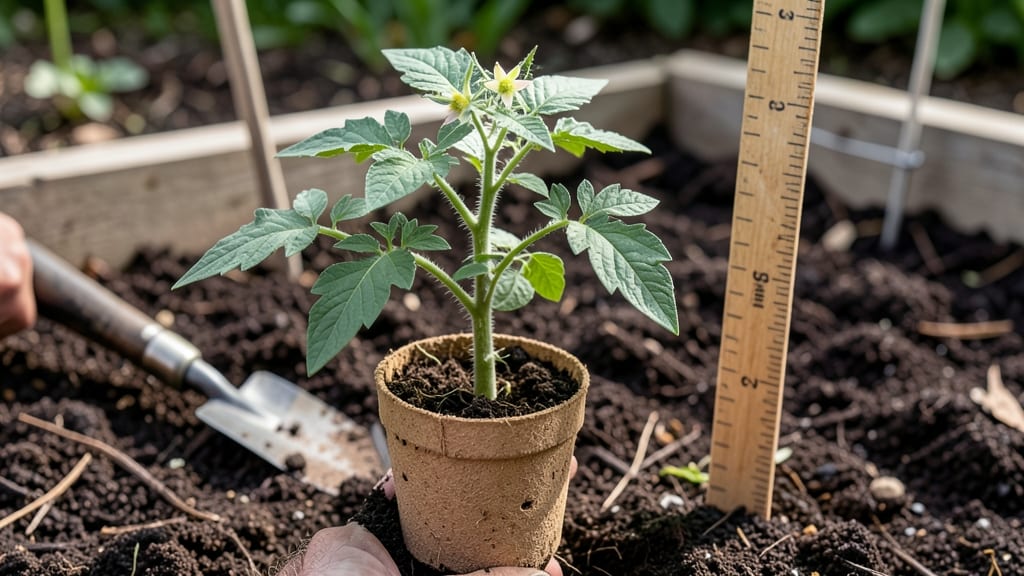
Planting tomatoes at the right depth is the foundation for strong roots and a thriving 🍅 harvest—too shallow, and your seedlings struggle; too deep, and they rot before they even sprout.
I’ve seen gardeners pour hours into nurturing tomato plants, only to watch them wilt because the roots couldn’t breathe. The secret? Getting the planting depth just right from the start.
Whether you’re direct-sowing seeds or transplanting seedlings, the depth matters more than you think. A little too shallow, and your plants lean; too deep, and they suffocate. I’ll walk you through the exact measurements for your climate and soil type, plus how to adjust for seedlings versus seeds.
By the end, you’ll know how to plant tomatoes so they grow tall, sturdy, and ready to produce fruit all season long—no guesswork, just results.

Optimal tomato seed planting depth by seed type (seeds vs seedlings)
Getting the tomato seed planting depth right is one of the most critical steps for strong, healthy plants. Whether you're direct sowing seeds or transplanting seedlings, the depth affects germination rates, root development, and even disease resistance.
Too shallow, and seeds dry out; too deep, and they struggle to reach the surface. Let’s break down the exact depths for tomato seeds vs. seedlings to maximize your harvest potential.
For tomato seeds, the general rule is to plant them at a depth 2-3 times their diameter. Most commercial tomato seeds are tiny—about 1/8 inch wide—so aim for a depth of 1/4 inch.
This shallow placement ensures they get enough light to sprout while staying moist enough to germinate. If you're using heirloom or larger seeds, like those from cherry tomato varieties, you might plant them slightly deeper—up to 1/2 inch—but never exceed 3/4 inch.
Why does depth matter so much? Seeds need moisture and warmth to germinate, but they also require light to break through the soil. Planting too deep forces seedlings to work harder to reach the surface, which can weaken them.
Meanwhile, planting too shallow risks drying out the seed or exposing it to temperature fluctuations, which can kill it before it even sprouts. The 1/4-inch rule strikes the perfect balance for most gardeners.
Now, let’s talk about transplanting tomato seedlings, which requires a completely different approach. Unlike seeds, seedlings already have established roots and need to be planted deeper than they were in their nursery pots.
This might sound counterintuitive, but the goal is to encourage stronger root systems by burying part of the stem. For most tomato varieties, dig a hole deep enough to bury 1/3 to 1/2 of the seedling’s stem, leaving only the top 2-3 sets of leaves above the soil line.
Here’s a quick visual guide to help you remember the key differences:
| Plant Type | Planting Depth | Key Notes |
|---|---|---|
| Tomato Seeds (Direct Sowing) | 1/4 inch (standard seeds) 1/2 inch (larger seeds) |
Light exposure needed for germination; keep soil moist. |
| Tomato Seedlings (Transplanting) | 1/3 to 1/2 stem depth (below soil) | Encourages deeper root growth; bury lower leaves. |
| Indeterminate Varieties | Deeper transplanting (up to 2/3 stem) | Supports taller growth; improves stability. |
| Determinate Varieties | Standard depth (1/3 stem) | Focuses energy on fruit production. |
If you’re growing indeterminate tomato varieties, like Sungold or Brandywine, you can go even deeper with seedlings—burying up to 2/3 of the stem. These vining plants benefit from extra support, and deeper planting encourages a stronger root system to anchor their height.
For determinate varieties, like Roma or Celebrity, stick to the standard 1/3 stem depth to prioritize fruit production over vertical growth.
One common mistake gardeners make is planting seedlings at the same depth they were in their nursery pots. This often leads to shallow root systems and weaker plants. To avoid this, gently remove the seedling from its pot and inspect the roots.
If they’re circling or tightly packed, loosen them before planting. This encourages the roots to spread outward rather than staying compacted, which improves nutrient uptake and overall plant health.
Another pro tip: If you’re direct sowing seeds in cooler climates, consider using biodegradable seed starter pots or peat pellets. These help protect seeds from temperature swings and provide a cozy environment for germination.
Once seedlings emerge, you can transplant them directly into the garden at the correct depth without disturbing their delicate roots. This method is especially useful for early spring plantings when soil temperatures are still fluctuating.
Finally, always remember that soil type plays a role in planting depth. In sandy soils, which dry out quickly, you might plant seeds slightly deeper—up to 1/2 inch)—to retain moisture.
In heavy clay soils, where water pools, stick to the 1/4-inch rule to prevent waterlogging. Adjusting for your local soil conditions ensures your seeds and seedlings get the best possible start.
With the right tomato seed planting depth, you’ll set your plants up for success—strong roots, vigorous growth, and a bountiful harvest all season long. Happy planting! 🌱
How to adjust planting depth for soil type and climate
Your tomato plant’s success starts with the right planting depth, but soil type and climate can dramatically change what works. Heavy clay soil holds moisture differently than loose sandy soil, and hot, dry climates demand deeper roots than cool, wet regions.
Adjusting depth ensures your tomatoes thrive from the ground up.
For example, in sandy soil, roots need to spread wider, so plant seedlings slightly deeper (1-2 inches deeper) than the standard recommendation. Meanwhile, clay soil benefits from shallower planting (1 inch less depth) to prevent suffocation.
Climate also plays a role—dry areas require deeper roots to access water, while wet climates need shallower depths to avoid rot.
⚠️ callout warning
Problem: Burying seedlings more than 1 inch deeper than recommended in heavy clay can smother roots, causing stunted growth or damping-off disease. Roots need oxygen to expand, and compacted clay suffocates them.
Fix: Loosen soil around the root ball and plant 1 inch shallower than usual. Add compost or perlite to improve drainage before planting.
In hot, dry climates, aim for 1-2 inches deeper than standard—this encourages roots to grow downward where moisture lingers. Conversely, in cool, wet regions, shallow planting (1/2 inch less depth) prevents waterlogging. Always check soil moisture: if it stays soggy, adjust depth upward.
Troubleshooting stunted growth? Dig gently around the base of your plant. If roots are circling or compacted, the depth was likely too shallow. For damping-off (a fungal issue), shallow planting combined with poor drainage is often the culprit—switch to well-draining soil and plant slightly deeper.
Pro tip: Use a depth marker (like a popsicle stick) to track planting levels, especially in raised beds where soil composition varies. Mark the ideal depth for your soil type and climate zone to avoid guesswork. Consistency is key—stick to your adjusted depth for all transplants.
Remember, tomato roots are resilient but need the right conditions to flourish. By tweaking depth for your local environment, you’ll give your plants the best chance to grow strong, healthy, and productive all season long. 🌱