
Companion Plants
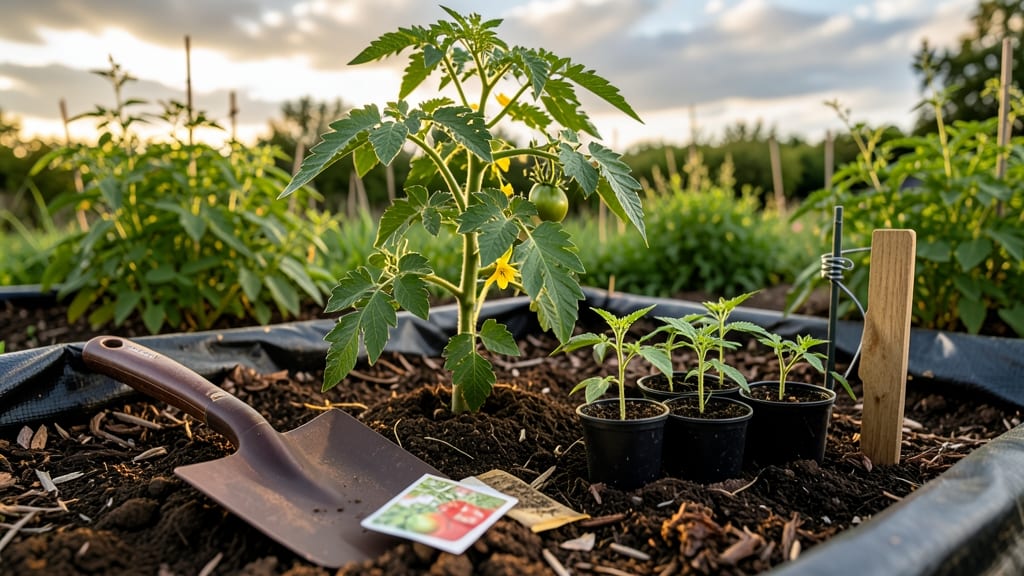
You can plant tomato seeds directly in the ground in warm climates where soil stays consistently above 60°F, but most gardeners start seeds indoors for better germination control and transplant timing. This method works best after the last frost when soil is loose and well-draining.
Direct sowing tomato seeds outdoors is absolutely possible in frost-free zones or during warm seasons, but success depends on soil conditions and timing. 🌱 The key is ensuring soil temperatures remain steady above 60°F—cold soil slows germination and can kill delicate seedlings.
I've found that regions with mild winters (like USDA Zones 8-10) often have the best results for direct planting, while cooler climates require indoor starts to avoid frost damage.
Even in warm areas, proper soil preparation—adding compost for nutrients and ensuring good drainage—can make all the difference in seedling survival rates.
For those attempting direct sowing, spacing seeds ¼ inch deep and 12-18 inches apart is crucial to prevent overcrowding. After planting, keep the soil consistently moist but not soggy, and consider using a light mulch to retain moisture and regulate temperature.
This approach eliminates the transplant shock that can stress seedlings, though it does require more vigilance against pests and uneven germination compared to indoor starts.
💡 In This Article
- Best Soil and Climate Conditions for Direct Tomato Seed Planting
- Step-by-Step Guide to Successfully Planting Tomato Seeds Outdoors
Best soil and climate conditions for direct tomato seed planting
Soil temperature is the single most critical factor for successful direct sowing of tomato seeds. These seeds require soil to stay consistently above 60°F to germinate properly—below this threshold, germination slows dramatically or fails entirely. The ideal range is 70-85°F, where seeds typically sprout within 7-14 days.
In cooler climates, soil may take weeks to warm enough, which is why many gardeners in USDA Zones 4-7 start seeds indoors. You can test soil temperature with a simple soil thermometer inserted 2 inches deep—this mimics the depth where seeds will be planted.
The composition of your soil plays just as important a role as temperature. Tomatoes thrive in loose, well-draining soil with a slightly acidic to neutral pH (6.0-6.8).
Heavy clay soils retain too much moisture, leading to root rot, while sandy soils drain too quickly, depriving seedlings of essential nutrients. Amending the soil with 2-3 inches of compost or well-rotted manure before planting improves both structure and fertility.
A quick test for drainage is the "percolation test"—dig a hole, fill it with water, and time how long it takes to drain; if it takes less than 30 minutes, your soil is likely suitable.
Climate conditions extend beyond temperature to include frost risk and sunlight exposure. Direct sowing should never occur before your area's average last frost date, as even a light frost can kill young seedlings.
In regions with unpredictable weather, like the Midwest or Pacific Northwest, extending the growing season with row covers or cold frames can create a microclimate that allows for earlier planting. Sunlight is equally critical—tomato seedlings need 6-8 hours of direct sunlight daily to grow strong.
Shady spots will result in leggy, weak plants that struggle to support fruit.
One often-overlooked factor is the seed's genetic hardiness. Some tomato varieties, like Cherokee Purple or Brandywine, are more cold-tolerant and can handle slightly cooler soil temperatures than heat-loving varieties such as Cherry Tomatoes. Always check the seed packet for recommendations—some even specify whether they're suited for direct sowing.
For example, heirloom seeds may require more consistent warmth, while hybrid varieties often have broader adaptability. This genetic variation explains why some gardeners in Zone 7 succeed with direct sowing while others in the same zone struggle.
Regional suitability also depends on your local ecosystem. Coastal areas, for instance, often have milder winters and warmer soil earlier in the season compared to inland locations at the same latitude.
If you're in a transitional zone (like Zone 7b), consider using black plastic mulch to warm the soil 5-10°F faster than bare ground. This technique is a game-changer for extending the planting window by 2-3 weeks in spring.
The mulch also suppresses weeds and retains moisture, reducing the need for frequent watering during the critical germination phase.
Finally, don't underestimate the role of moisture during germination. Seeds need consistent moisture to activate enzymes that break down stored nutrients, but overwatering can suffocate them. The key is to keep the soil damp—like a wrung-out sponge—not soggy.
A light misting or drip irrigation system set to 1-2 times daily works best. In my experience, using a spray bottle to mist seeds after planting (rather than pouring water) creates a more even moisture distribution, which is especially helpful in windy conditions that can dry out freshly sown seeds.
Here's a quick checklist to ensure your soil and climate are ready for direct sowing:
- Soil temperature: Consistently above 60°F (use a thermometer to confirm)
- Drainage: Water drains within 30 minutes (test with percolation test)
- pH level: Between 6.0-6.8 (test with a soil kit if unsure)
- Sunlight: 6+ hours of direct sun daily (no shade from trees or structures)
- Frost risk: At least 2 weeks until your area's average last frost date
When all these conditions align, direct sowing can yield robust seedlings with minimal stress—no transplant shock and a head start on the growing season. 🌱