
Planting
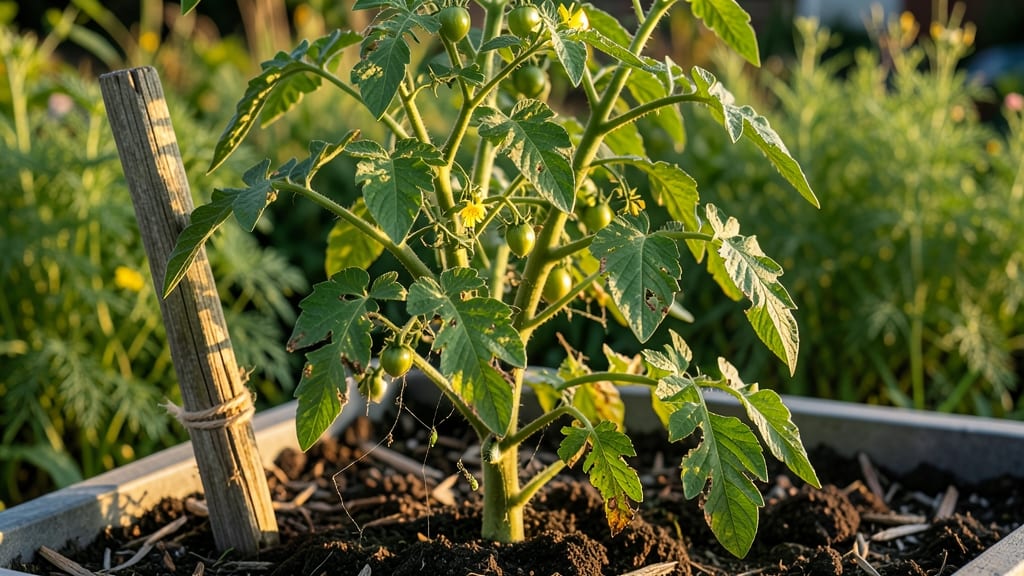
When tomato plant leaves get eaten, your harvest is at risk—but there’s no need to panic. 🌱 I’ve seen entire plants stripped down to stems, only to bounce back with the right fixes. The key is acting fast with organic solutions that work without harming your soil or future crops.
The usual suspects are deer, rabbits, slugs, or caterpillars, but even birds and squirrels can be culprits. Look for jagged edges (deer), clean bite marks (rabbits), or chewed holes (insects).
The good news? Most damage happens at dawn or dusk, so you can catch them in the act with simple traps or barriers.
Three organic fixes work best: neem oil spray for insects, homemade garlic-chili spray for mammals, or physical barriers like row covers. I’ve saved entire plants using just a $5 chicken wire cage—no chemicals needed. The goal is to protect the leaves while letting the tomatoes thrive.
Long-term, companion planting with basil or marigolds deters pests naturally. For severe cases, a lightweight row cover lets sunlight through while blocking critters. Once you’ve tried these, your plants will recover faster—and next season, you’ll spot damage early.
Root Causes of Leaf Loss
When your tomato plant’s leaves start disappearing, it’s rarely a random act of nature—it’s usually a sign of a specific problem. Understanding the why behind the damage is the first step to protecting your harvest.
Below, we break down the most common culprits, from hungry pests to environmental stressors, with clear explanations of how they attack your plants—and how to spot their telltale signs.
Pests are the #1 reason tomato leaves vanish overnight. These tiny (or not-so-tiny) invaders don’t just nibble—they can devastate your plant’s ability to photosynthesize, weaken its structure, and even transmit diseases. Here’s who’s likely guilty:
🐞 Slugs & Snails: The Slimy Nighttime Bandits
If your leaves have large, irregular holes with a shiny, slime trail, slugs or snails are the culprits. These nocturnal mollusks prefer soft, young leaves and often target plants near moisture-rich areas (like morning-dewed soil or overwatered beds).
- How they attack: They use a rasping tongue (like sandpaper) to scrape tissue, leaving jagged edges and sometimes entire half-moon-shaped bites.
- Tell-tale signs:
- Leaves with slime trails leading to hiding spots (under boards, rocks, or dense foliage).
- Holes that look chewed but not cleanly cut (unlike insect bites).
- Most active at night or early morning.
- Why it happens: These pests thrive in humid, shady, or damp conditions. Overwatering, thick mulch, or poor drainage creates their perfect habitat.
🐛 Aphids: The Sap-Sucking Swarms
Aphids may seem harmless, but their piercing mouthparts inject toxins while they feed, causing leaves to curl, yellow, or drop. Heavy infestations can lead to sooty mold (a black fungal growth) from their sticky honeydew.
- How they attack: They cluster on new growth and undersides of leaves, sucking sap and excreting honeydew.
- Tell-tale signs:
- Sticky residue on leaves (like syrup).
- Leaves curl upward or turn yellow/brown.
- Tiny green/black/pink bugs clumped together.
- Why it happens: Aphids are drawn to stressed plants (drought, nutrient deficiencies) and new shoots. They spread rapidly in warm, dry weather.
🦟 Spider Mites: The Tiny Web Weavers
Though small (often invisible to the naked eye), spider mites can skeletonize leaves in days. They thrive in dry, dusty conditions and spin fine webs between leaf veins.
- How they attack: They pierce cells to suck out chlorophyll, leaving a stippled, bronze-colored appearance.
- Tell-tale signs:
- Leaves develop tiny yellow dots that spread into white/brown patches.
- Fine webbing on leaf undersides or between branches.
- Plants look dusty or speckled.
- Why it happens: They explode in populations during hot, dry spells and target plants under nutritional stress (low nitrogen).
🐛 Caterpillars: The Hidden Leaf Destroyers
From tomato hornworms to loopers, caterpillars can eat entire leaves overnight. They’re often missed because they hide during the day.
- How they attack: They chew through leaves, leaving clean, ragged edges or skeletons.
- Tell-tale signs:
- Large, irregular holes or missing sections of leaves.
- Green/black droppings (frass) on leaves.
- Small green/black worms hiding on stems or undersides.
- Why it happens: Caterpillars are drawn to healthy, lush foliage and lay eggs on undersides of leaves in spring/summer.
Not all leaf loss comes from pests. Sometimes, your tomato plant’s own survival mechanisms or environmental extremes trigger leaf shedding. Here’s how:
💧 Overwatering or Poor Drainage: The Silent Killer
Tomato plants hate soggy roots. When soil stays waterlogged, roots suffocate, leading to yellowing, wilting, or dropping leaves—even if the soil feels moist.
- How it happens:
- Roots can’t absorb oxygen, triggering anaerobic conditions.
- Fungal diseases (like root rot) attack weakened roots.
- Nutrients leach away in waterlogged soil.
- Tell-tale signs:
- Leaves yellow from the bottom up.
- Wilting despite wet soil.
- Leaves drop easily when touched.
- Why it happens: Compacted soil, lack of mulch, or overzealous watering (especially in containers) traps excess moisture.
☀️ Heat & Sunburn: When Too Much Sun Is a Bad Thing
While tomatoes love sunlight, intense heat waves (especially in dry climates) can cause leaves to scorch, crisp, or drop. This is common in afternoon sun exposure.
- How it happens:
- Leaves lose moisture faster than roots can replace it.
- Cell walls break down from dehydration.
- Photosynthesis shuts down, causing leaf death.
- Tell-tale signs:
- Leaves develop brown, papery patches (especially on edges).
- Leaves curl upward or wilt in the heat.
- New growth is stunted or bleached.
- Why it happens: Sudden temperature spikes (above
Quick Fixes For Chewed Tomato Leaves
When your tomato plant’s leaves look like they’ve been through a salad bar buffet, panic isn’t the first step—action is. The good news? Most pests and predators can be deterred or eliminated with simple, organic methods.
Below, we’ve mapped out targeted solutions for the most common culprits behind tomato plant leaves eaten, along with proactive tips to keep your plants safe and thriving.
If your leaves have shiny, slime trails and irregular holes, slugs and snails are the likely suspects. These nocturnal nibblers thrive in damp conditions and can decimate a tomato plant overnight.
How to Stop Them:
- 🔥 Set Up Beer Traps Bury a shallow dish (like a yogurt cup) filled with beer near the plant. The yeast attracts slugs, and they drown—problem solved. Refresh every few days.
- 🍳 Create Barriers Use crushed eggshells, diatomaceous earth (food-grade only), or sharp gravel around the base of the plant. These act as physical deterrents, making it hard for slugs to crawl up.
- 👨🍳 Handpick at Night Grab a flashlight and a bucket of soapy water. Slugs are most active after dark—scoop them up and relocate them far from your garden.
💡 Prevention Tips:
- 🌡️ Water in the Morning – Slugs love moisture. Keep soil dry during the day to discourage their presence.
- ✨ Mulch Strategically – Use coarse mulch (like pine straw) instead of fine organic matter, which attracts slugs.
- 🎯 Introduce Predators – Encourage birds, frogs, and ground beetles by adding a small water source or leaving some leaf litter nearby.
Tiny green or black aphids cluster on undersides of leaves, while caterpillars (like hornworms) leave behind ragged, skeletonized foliage. Both can weaken your tomato plant if left unchecked.
How to Stop Them:
- 🔥 Blast Them Off with Water A strong spray from the hose (especially in the early morning) dislodges aphids and washes away eggs. For caterpillars, handpick them off and drop them into soapy water.
- 🍳 Use Neem Oil Spray Mix 1 tbsp neem oil, 1 tsp mild soap, and 1 quart of water. Spray directly on infested areas (including undersides of leaves). Neem disrupts their life cycle and deters future attacks.
- 👨🍳 Introduce Beneficial Insects Ladybugs, lacewings, and parasitic wasps love aphids. Buy them online or attract them by planting companion flowers like marigolds or dill nearby.
💡 Prevention Tips:
- 🌡️ Rotate Plantings – Avoid planting tomatoes in the same spot yearly to disrupt pest life cycles.
- 🎯 Prune Regularly – Remove damaged or heavily infested leaves to reduce hiding spots for pests.
- ✨ Use Row Covers – Lightweight fabric covers can block adult moths (which lay caterpillar eggs) while allowing pollination.
If large, clean bites appear overnight and your fence isn’t tall enough, rabbits or deer are likely the culprits. These herbivores can strip a tomato plant bare in hours.
How to Stop Them:
- 🔥 Install a Temporary Fence Use chicken wire or hardware cloth (at least 3 feet tall for deer, 2 feet for rabbits) around the garden. Bury it 6 inches deep to prevent digging.
- 🍳 Use Repellents Spray plants with a homemade mix of 1 gallon water + 1 tbsp cayenne pepper + 1 tbsp garlic powder. Reapply after rain. Commercial repellents with predator urine (like fox or coyote) also work.
- 👨🍳 Set Up Motion-Activated Sprinklers Devices like the ScareCrow spray water when they detect movement, startling animals away without harming them.
💡 Prevention Tips:
- 🌡️ Plant Unappealing Alternatives – Surround tomatoes with herbs like rosemary or lavender, which deer and rabbits dislike.
- 🎯 Secure Compost Piles – These attract rodents, which in turn draw predators like raccoons or coyotes.
- ✨ Create a Natural Barrier – Plant thorny bushes (like blackberry or raspberry) around the perimeter of your garden.
While birds don’t usually eat tomato leaves, some species (like sparrows or starlings) may peck at them, especially if they’re stressed or searching for insects. Overwatered or nutrient-deficient leaves can also attract them.
How to Stop Them:
- 🔥 Use Netting Lightweight bird netting stretched over young plants can deter pecking without harming the birds.
- 🍳 Offer Alternative Food Sources Place bird feeders away from your garden to distract them from your tomato plants.
- 👨🍳 Add Wind Chimes or Reflective Tape Birds are skittish—movement and noise can scare them off temporarily.
💡 Prevention Tips:
- 🌡️ Ensure Balanced Watering – Overwatered plants attract insects, which in turn draw birds.
- ✨ Plant Tall Grasses or Bushes – These can provide cover for birds, making them less likely to perch on your tomatoes.
Most leaf-eating issues can be resolved within a few days of targeted action. The key is acting fast and combining immediate fixes with long-term prevention. With these strategies, your tomato plants will stay lush, and your harvest will remain intact—no salad bar required! 🍅🌱
Frequently asked questions
What do chewed tomato leaves look like from different pests?
Slugs leave large, irregular holes with shiny slime trails, while rabbits create clean, sharp-edged bites near the ground. Caterpillars leave ragged holes with green droppings, and aphids cause sticky residue and curled leaves. Deer typically strip leaves from the top down, leaving jagged edges.
Can I still save my tomato plant if most leaves are eaten?
Yes! Remove any severely damaged leaves to reduce stress, and focus on protecting remaining foliage. Use row covers or neem oil to deter pests. The plant can still produce fruit—just monitor watering and fertilize lightly to support recovery.
How do I know if my tomato plant leaves are eaten by insects or animals?
Look for size and pattern: Insects (like caterpillars) leave small, irregular holes with frass (droppings), while mammals (rabbits/deer) create large, clean bites. Slugs leave slime trails, and birds peck at edges. Check active times—slugs/snails are nocturnal, while rabbits feed at dawn/dusk.
Will homemade sprays (like garlic or chili) really work against pests?
A mix of 1 gallon water + 1 tbsp cayenne pepper + 1 tbsp garlic powder repels mammals and deters insects. Spray leaves thoroughly at dusk, and reapply after rain. For extra potency, add a drop of dish soap to help it stick. Works best when combined with physical barriers.
Can I use diatomaceous earth on tomato plants?
Yes, but use food-grade diatomaceous earth only! Sprinkle a thin layer around the base (not directly on leaves) to deter slugs, ants, and crawling insects. Reapply after watering—it loses effectiveness when wet. Avoid overapplying, as it can dry out soil.