
How To
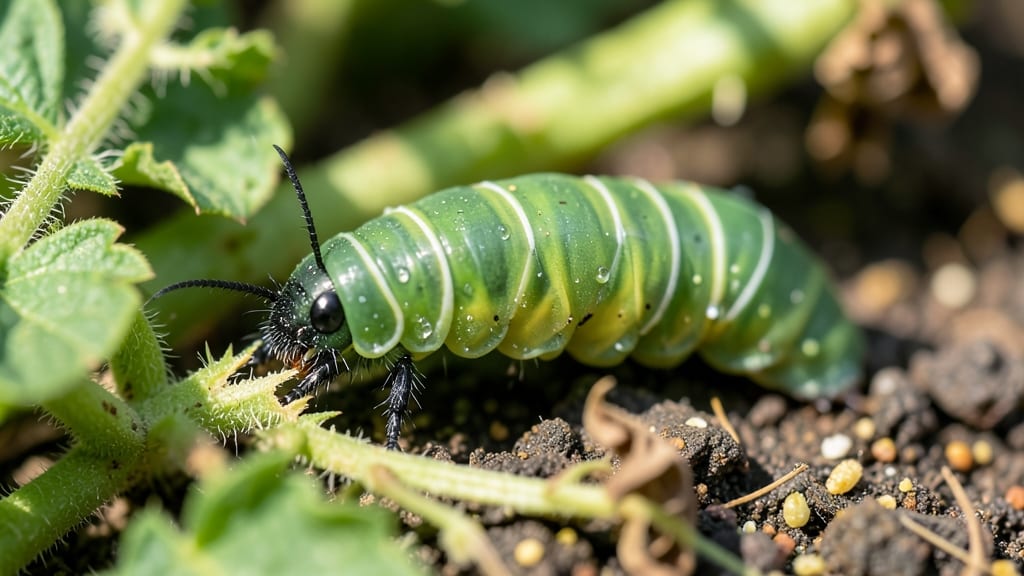
Insects that eat tomato leaves include hornworms, aphids, and Colorado potato beetles, which can devastate plants by consuming foliage and transmitting diseases. Early identification and organic sprays like neem oil help prevent severe damage.
Tomato plants are a magnet for hungry pests, especially during peak growing seasons. 🌱 The most destructive culprits—like the voracious hornworm—can strip leaves overnight, leaving plants vulnerable to sunburn and disease.
I’ve seen aphids cluster on undersides, creating sticky honeydew that attracts mold, while Colorado potato beetle larvae chew through foliage like lawnmowers. The key to saving your harvest? Catching these invaders early when they’re most vulnerable—like the soft-bodied caterpillar stage of hornworms—before they multiply.
Beyond neem oil, my go-to defenses include introducing beneficial predators like ladybugs and lacewings, which feast on aphids, plus strategic companion planting with basil or marigolds to mask tomato plants’ scent.
A simple soapy water spray (1 tablespoon mild soap per quart of water) works wonders on soft-bodied pests when applied in the early morning. The sooner you act, the better—because once these insects move on to your fruit, your entire crop is at risk.
💡 In This Article
- Identifying Tomato Leaf-Eating Insects and Their Damage Patterns
- Organic Pest Control Methods for Tomato Leaf Damage Prevention
Identifying tomato leaf-eating insects and their damage patterns
Tomato leaf-eating insects leave behind distinct visual clues that reveal their identity. The hornworm, a caterpillar up to 4 inches long, has a green body with white diagonal stripes and a horn-like projection at its rear.
Its feeding pattern is unmistakable: large, irregular holes with frass (black droppings) scattered around. These caterpillars target the most tender leaves first, often leaving only the tougher veins intact. 🔥
In contrast, aphids create a different kind of destruction. These tiny, 1/16-inch soft-bodied insects cluster on the undersides of leaves, sucking sap and excreting sticky honeydew that fosters sooty mold.
Their damage appears as yellow stippling on the upper leaf surface, while the undersides become covered in a white, cottony residue. Aphids thrive in warm, humid conditions and reproduce rapidly, making them one of the most persistent tomato pests.
The Colorado potato beetle and its larvae leave even more dramatic signs. Adult beetles are 1/3-inch long with yellow-and-black striped bodies, while their larvae resemble small, spiny, orange-brown alligators.
Both stages chew leaves into skeletonized patterns, leaving only the leaf veins. These beetles are particularly aggressive in late spring to early summer, often targeting stressed plants first.
What makes tomato plants such attractive targets? These pests are drawn to the plant's chemical signals, particularly volatile organic compounds (VOCs) released when leaves are damaged. Tomatoes also produce high levels of sugars and nitrogen in their foliage, making them a nutritional powerhouse for leaf-eaters.
The hairy leaves of tomato plants provide perfect hiding spots for many pests, while their sprawling growth habit creates shaded areas that maintain ideal humidity levels for insect development.
Seasonal activity patterns play a crucial role in identification. Hornworms typically appear in mid-to-late summer, while aphids can infest plants year-round but explode in populations during warm spells in spring and fall.
Colorado potato beetles emerge in late May to June, with larvae hatching within 3-5 days of egg-laying. Understanding these timelines helps gardeners anticipate and prepare for outbreaks before they become unmanageable.
For a hands-on approach, examine your plants in the early morning when pests are most active and less likely to be hidden. Use a 10x magnifying glass to inspect leaf undersides and stems for eggs or early-stage larvae.
The key to early intervention is recognizing these patterns before they escalate—because once these insects move to your fruit, your entire harvest is at risk.