
Diseases
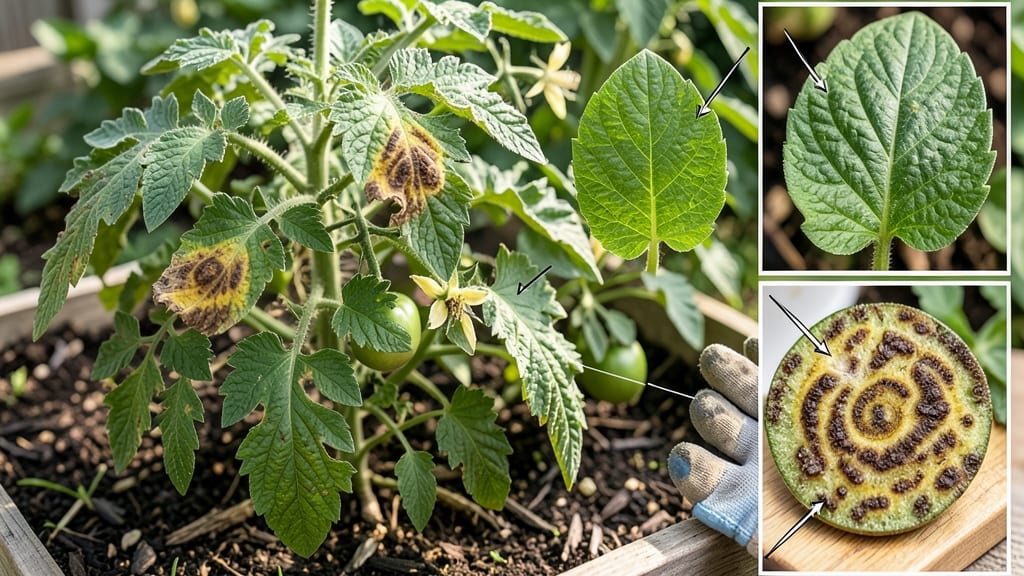
When the pictures of tomato plant leaf diseases start appearing—whether as strange spots or curling edges—you’re holding the key to saving your harvest. 🌱 I've seen everything from yellow blotches that look like someone splashed tea on the leaves to black, greasy spots that spread faster than weeds in spring.
The good news? Most tomato leaf diseases have distinct patterns—some show up as powdery white dust, others as water-soaked brown patches. Knowing which is which means you can act fast: prune infected leaves, adjust watering, or even switch up your garden layout to stop the spread.
You'll learn to spot early warning signs like tiny yellow flecks or leaf edges curling inward before they become full-blown problems. With these visual cues, you can cut losses and keep your plants productive for weeks longer than if you ignored the symptoms.
This works for every tomato variety—from cherry to beefsteak—and fits any garden setup, from raised beds to containers. Let's get those plants back to thriving!
Root Causes Of Leaf Damage
Understanding why tomato leaves develop diseases is the first step to stopping them in their tracks. These issues rarely happen in isolation—they’re often the result of a perfect storm of environmental stress, microbial activity, or poor growing conditions.
Let’s break down the key culprits behind leaf diseases in tomato plants, so you can address the real problem, not just the symptoms.
Fungi are the most common offenders when it comes to tomato leaf diseases. They thrive in moist, warm conditions and can spread rapidly if left unchecked. Here’s how they take hold:
- High Humidity & Poor Airflow Fungi like Phytophthora (which causes damping-off and blight) and Alternaria (early blight) love damp leaves. When humidity stays above 75% for prolonged periods, spores germinate and infect plant tissues. Poor airflow (from crowded plants or thick foliage) traps moisture, creating a fungal paradise.
- Contaminated Soil or Tools Fungi can lurk in soil for years, waiting for the right conditions to strike. If your garden soil was previously infected or your pruners weren’t sterilized between plants, you’re basically handing fungi a free ride to your tomatoes.
- Weakened Plant Defenses Stressed plants (from drought, nutrient deficiencies, or transplant shock) have lower resistance to fungal attacks. A plant struggling to photosynthesize due to pests or poor light is an easy target for diseases like late blight (Phytophthora infestans), which can devastate a crop in days.
Bacteria move 10x faster than fungi and often enter through wounds (like insect bites or pruning cuts). The most notorious tomato bacterial diseases include:
- Overhead Watering Splashing water onto leaves (especially at night) creates perfect conditions for bacteria like Pseudomonas syringae (causing bacterial spot) or Xanthomonas campestris (bacterial speck). These pathogens enter through stomata (leaf pores) and clog them, leading to brown, water-soaked lesions.
- Warm, Wet Weather Bacteria thrive in temperatures between 70–90°F (21–32°C) with high humidity. If your growing season is hot and sticky, bacterial diseases like bacterial wilt (Ralstonia solanacearum) can spread through the plant’s vascular system, cutting off water and nutrients.
- Contaminated Seeds or Transplants Some bacterial strains are seed-borne, meaning they can hide in your starter plants or seeds. If you bought infected seedlings or saved seeds from a diseased plant, you’re rolling the dice on introducing bacteria to your garden.
Viruses don’t just appear—they hitch rides on insects (like aphids, whiteflies, or beetles) or through contaminated tools. Once inside a plant, they replicate uncontrollably, causing:
- Insect Vectors Aphids, for example, can transmit tomato mosaic virus (ToMV) or cucumber mosaic virus (CMV) while feeding. A single infestation can turn a healthy plant into a diseased one in weeks.
- Mechanical Transmission If you prune an infected plant and then touch another without sterilizing your tools, viruses like tomato yellow leaf curl virus (TYLCV) can spread. Even your hands can carry viral particles if you’ve handled infected plants.
- Stress-Induced Spread Viruses often activate when plants are under stress (drought, extreme heat, or nutrient deficiencies). A weakened tomato is more likely to show symptoms like yellowing, stunting, or distorted leaves—classic viral red flags.
Sometimes, diseases aren’t caused by pathogens at all—they’re a side effect of growing conditions gone wrong. Common stress triggers include:
- Nutrient Imbalances Too much nitrogen (from over-fertilizing) promotes lush, weak growth that’s prone to fungal infections. Conversely, calcium deficiencies (common in acidic soils) lead to blossom end rot, which stresses the plant and opens doors for secondary infections.
- Extreme Temperatures Heat stress (above 90°F/32°C) can cause sunscald on leaves, making them vulnerable to fungal entry. Meanwhile, cold snaps weaken plant cell walls, allowing bacteria and fungi to invade more easily.
- Watering Woes
- Overwatering leads to root rot (Pythium or Fusarium), which starves the plant and causes leaf yellowing.
- Underwatering stresses the plant, reducing its ability to fight off pathogens.
- Inconsistent moisture (dry soil followed by heavy rain) creates the perfect fungal breeding ground.
Even the healthiest tomato plants can fall prey to diseases if basic hygiene is ignored. Here’s how:
- Debris Buildup Leaving fallen leaves, stems, or plant waste in the garden acts as a fungal reservoir. Pathogens like Septoria lycopersici (septoria leaf spot) overwinter in organic matter, ready to reinfect the next season.
- Cross-Contamination Planting tomatoes (or other nightshades like peppers) in the same spot year after year without rotation lets soil-borne diseases build up. A 3-year crop rotation breaks this cycle.
- Ignoring Early Signs Many gardeners wait until diseases are visible and severe before acting. By then, spores have already spread to neighboring plants, tools, and even the soil. Catching issues early (like yellowing leaves or small spots) is key to prevention.
Some pests don’t just damage leaves—they pave the way for diseases.
For example: - Aphids pierce leaves, creating entry points for viruses and bacteria. - Spider mites weaken plants with feeding damage, reducing their ability to fight off fungal infections. - Caterpillars chew holes in leaves, exposing tissue to waterborne pathogens.
Actionable Tip: 💡 Use row covers to block pests early or apply neem oil (a natural fungicide and insect repellent) as a preventive spray.
How to solve it
When your tomato plants start showing signs of distress—whether it’s yellowing leaves, black spots, or mysterious wilting—acting fast is key. Below are targeted solutions for the most common tomato leaf diseases, paired with prevention tips to keep your garden thriving.
Think of this as your emergency repair manual for leaf troubles! 🚑🌱
Fungal diseases thrive in humidity and poor airflow, so the first step is to improve plant conditions.
- 🔥 Remove infected leaves immediately – Snip off yellow or spotted leaves with clean pruners (don’t compost them—toss in the trash).
- 🍳 Spray with a copper fungicide – Mix 1 tbsp baking soda + 1 tsp dish soap + 1 quart water (for mildew) or use a store-bought copper solution (for blight). Apply every 7–10 days.
- 👨🍳 Boost airflow – Prune crowded branches, space plants 18–24 inches apart, and water at the base (not overhead).
- ⏰ Rotate crops next season – Avoid planting tomatoes, peppers, or potatoes in the same spot for 3 years.
💡 Pro Tip: Early morning is the best time to water—fungi love damp leaves at night!
Bacterial diseases spread fast and can’t be cured, but you can slow them down and prevent further damage.
- 🔪 Prune aggressively – Cut off all infected leaves (even small spots) and sterilize pruners with rubbing alcohol.
- 🌡️ Use a bleach solution – Mix 1 part bleach to 9 parts water and spray on plants (early morning only). Repeat every 5–7 days.
- 🎯 Avoid overhead watering – Use drip irrigation or soaker hoses to keep foliage dry.
- ✨ Solarize soil (if severe) – Cover infected soil with clear plastic for 4–6 weeks to kill bacteria (best in hot climates).
💡 Pro Tip: Bacterial diseases love warm, wet conditions—mulch heavily to keep soil temps stable.
Viruses are incurable, but you can contain the outbreak and protect other plants.
- 🔪 Destroy infected plants immediately – Bag them and toss in the trash (don’t compost—viruses can survive).
- 👨🍳 Quarantine new plants – Inspect all seedlings for mosaic patterns before planting.
- 🌡️ Sterilize tools and hands – Wash gloves and pruners with soapy water between plants.
- 🎯 Prevent aphid spread – Spray plants with neem oil weekly to deter aphids (common virus vectors).
💡 Pro Tip: Buy virus-tested seedlings from reputable nurseries to avoid introducing viruses.
If leaves show color changes (e.g., yellow between veins = magnesium deficiency), it’s often a soil issue.
| Symptom | Likely Cause | Quick Fix |
|---|---|---|
| Yellow lower leaves | Nitrogen deficiency | Add compost or fish emulsion (high in nitrogen). |
| Yellow between veins (older leaves) | Magnesium deficiency | Sprinkle Epsom salt (1 tbsp per gallon of water) every 2 weeks. |
| Purple stems/leaves | Phosphorus deficiency | Use bone meal or rock phosphate as a side-dressing. |
| Brown leaf edges | Potassium deficiency | Apply wood ash or greensand (or use a balanced fertilizer). |
💡 Pro Tip: Test your soil every 2–3 years to avoid guessing—local extension offices offer cheap kits!
Remember: Prevention is easier than cure. Rotate crops, water wisely, and keep your garden clean to give your tomatoes their best shot at staying healthy. With these fixes, you’ll be back to harvesting juicy, disease-free tomatoes in no time! 🍅🌟
Frequently asked questions
How can I tell if my tomato leaf spots are fungal or bacterial?
Look at the edges: fungal spots (like early blight) often have concentric rings and gray centers, while bacterial spots appear as water-soaked, greasy-looking marks with yellow halos. Fungal spots may also develop white or black fuzzy growth, while bacterial spots usually have ragged edges.
Why do my tomato leaves get yellow between the veins?
This classic sign usually means magnesium deficiency (chlorosis). It starts on older leaves and spreads upward. Fix it by applying Epsom salt (1 tablespoon per gallon of water) every 2 weeks, or add compost rich in magnesium to the soil.
Can I save a tomato plant with viral symptoms like mosaic patterns?
Unfortunately, viruses are incurable—once infected, the plant will decline. Remove it immediately to prevent spread to other plants. Sterilize your tools with rubbing alcohol and inspect new plants carefully for similar patterns before planting.
What's the best time of day to water tomato plants to prevent diseases?
Water in the early morning (before 10 AM) to give leaves time to dry. Wet foliage at night creates perfect conditions for fungal spores. Use drip irrigation or soaker hoses to keep water off leaves entirely.
How long does it take for homemade fungicide sprays to work?
Most homemade sprays (like baking soda mix) take 3-5 days to show visible improvement. Apply every 7-10 days during humid weather. For severe infections, switch to copper-based fungicides which work faster (within 24-48 hours).