
Pests
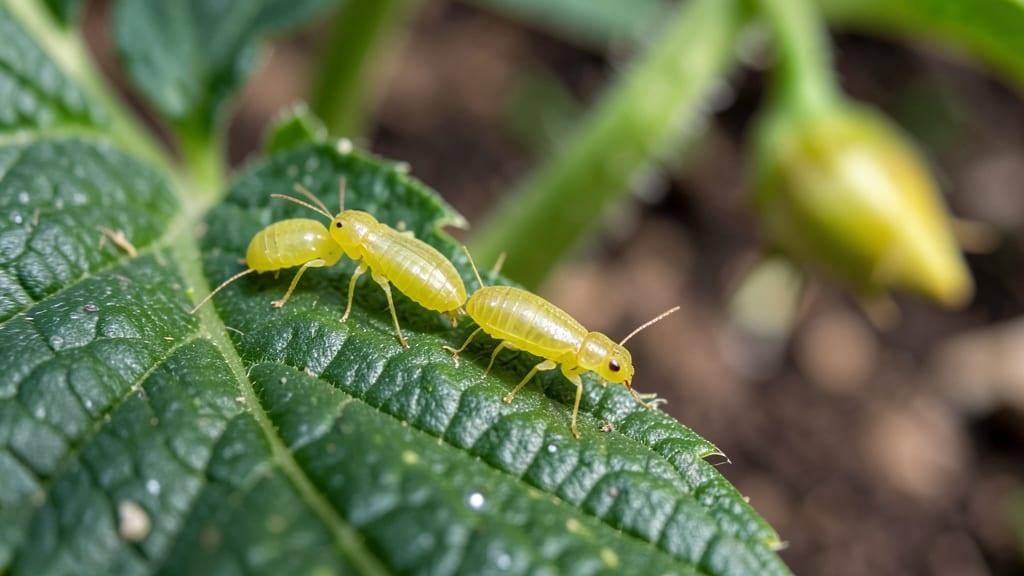
Those tiny yellow bugs on your tomato plants aren’t just annoying—they’re sucking the life out of your harvest. 🌱 I’ve battled them in my own garden, and I’ll show you how to stop them fast without harsh chemicals that harm your plants (or you).
Most likely, you’re dealing with thrips or aphids—both leave behind silvery streaks on leaves and stunt growth. The good news? A 5-minute daily check and a few targeted sprays can turn things around before your plants suffer permanent damage.
By the end of this, you’ll know exactly what to spray (and when), how to protect new growth, and which plants to watch for next season. No more helplessly watching your tomatoes wither—just actionable fixes that work.
First, confirm the culprit: thrips are tiny, yellowish, and leave scratchy damage, while aphids cluster on stems and excrete sticky honeydew. Either way, knock them back with soapy water sprays or neem oil—both are safe for edible plants if used correctly.
I’ve seen results in 24 hours with consistent treatment.
Prevention is easier than cleanup: yellow sticky traps near plants catch thrips before they multiply, and companion planting (like basil or marigolds) deters them naturally. Rotate your crops yearly to break their lifecycle, and always inspect new plants before bringing them home.
If your plants look completely overwhelmed (leaves curled, no new growth), call in reinforcements—beneficial insects like ladybugs or lacewings can finish the job. But in most cases, you’ll have this under control in a week or less with the right approach.
Underlying Causes Of Tiny Yellow Invaders
Those pesky tiny yellow bugs on your tomato plants aren’t just random visitors—they’re usually drawn to your garden for specific reasons. Understanding why they show up is the first step to stopping them in their tracks. Let’s break down the science behind their unwelcome presence.
Tomato plants under stress—whether from overcrowding, poor soil nutrition, or watering issues—emit chemical signals that attract pests like aphids, whiteflies, or spider mites. These tiny yellow invaders thrive on plants that are already struggling because:
- Weakened defenses: Stressed plants produce fewer natural repellents (like volatile organic compounds) that deter pests.
- Sap-rich leaves: When plants are nutrient-deficient or overwatered, their leaves become softer and more sap-filled—an all-you-can-eat buffet for sap-sucking bugs.
- Honeydew magnet: Stressed plants often produce more honeydew (a sticky waste product of pests), which in turn attracts ants and fungi, creating a pest party.
💡 Pro Tip: Space tomato plants 18–24 inches apart, mulch to retain moisture, and fertilize with a balanced organic mix (like compost or fish emulsion) to reduce stress signals.
Tiny yellow bugs—especially whiteflies and aphids—love warm, humid conditions. Here’s why your tomato plants might be their perfect hideout:
| Factor | Why It Attracts Pests |
|---|---|
| 🌡️ Temperature | Ideal range for many pests: 70–85°F (21–29°C). Cooler nights slow them down, but consistent warmth speeds up their reproduction. |
| 💧 Humidity | High humidity (60%+) creates a sticky environment that protects eggs and slows natural predators (like ladybugs) from hunting them. |
| 🌳 Shade & Mulch | Thick mulch or dense foliage traps moisture, turning your garden into a pest humidifier. Dappled shade (like under fruit trees) also encourages pests. |
🎯 Actionable Fix: Improve airflow with pruning and thinning plants. Use reflective mulch (like aluminum foil) to deter whiteflies, and water in the early morning to reduce humidity on leaves.
If you’ve recently added new plants, seedlings, or even potted herbs to your garden, you might’ve unknowingly brought along hitchhiking pests. Here’s how it happens:
- Seedling transport: Aphids and whiteflies often hide in the undersides of leaves or stem crevices of nursery-bought plants. Even "healthy-looking" seedlings can be infested.
- Shared tools: Pruners, trowels, or gloves contaminated with pest eggs or larvae can spread infestations from one plant to another.
- Compost or soil mix: Some pests (like fungus gnats) lay eggs in moist, organic matter. If your potting mix isn’t sterilized, it could be a breeding ground.
✨ Prevention Tip: Always quarantine new plants for 2–3 weeks in a separate area. Disinfect tools with a 1:10 bleach-water solution (or 70% isopropyl alcohol) between uses. If repotting, bake soil at 200°F (93°C) for 30 minutes to kill eggs.
Now that you know why these tiny yellow troublemakers are crashing your tomato party, it’s time to fight back—organically and effectively!
Quick Fixes for Tiny Yellow Pests
If you’ve spotted tiny yellow bugs on your tomato plants, don’t panic—there are fast, effective, and organic ways to tackle them before they wreak havoc. The solution depends on the culprit (likely aphids, thrips, or spider mites), but the good news is that most fixes are simple, chemical-free, and budget-friendly.
Below are targeted strategies to evict these pests and keep your tomato plants thriving.
Before jumping into treatments, confirm what you’re dealing with:
- Aphids: Clustered on new growth, sticky residue (honeydew), and curled leaves.
- Thrips: Tiny, fast-moving, and leave silver streaks on leaves.
- Spider Mites: Reddish or yellow, webbing on undersides of leaves.
Pro Tip: 🔍 Use a hand lens or magnifying glass to inspect leaves closely—this makes a huge difference in choosing the right fix!
These DIY solutions work fast and are safe for edible plants:
🔥 Soap Spray (Best for Aphids & Soft-Bodied Pests)
What you’ll need:
- 1 tbsp mild liquid soap (like Castile or dish soap)
- 1 quart water
- Spray bottle
Steps:
- Mix soap and water in the bottle.
- Spray directly on pests (focus on undersides of leaves).
- Reapply every 3–5 days until pests disappear.
✨ Why it works: Soap disrupts the pests’ protective wax layer, dehydrating them.
👨🍳 Neem Oil Solution (Kills Eggs & Adults)
What you’ll need:
- 1 tbsp neem oil
- 1 tsp honey or dish soap (as an emulsifier)
- 1 quart water
Steps:
- Combine ingredients in a spray bottle.
- Shake well before use.
- Spray evenly on all plant surfaces, including stems.
- Apply every 7–10 days for 2–3 weeks.
💡 Pro Tip: 🌡️ Warm the solution slightly (not boiling) to improve effectiveness—pests hate the heat!
🥘 Water Blast (For Thrips & Spider Mites)
What you’ll need:
- Garden hose with a nozzle
- Early morning or late evening (to avoid shocking plants)
Steps:
- Hold the nozzle close to leaves (1–2 inches away).
- Spray forcefully for 10–15 seconds per side.
- Repeat every 2–3 days until pests are gone.
⏰ Timing Matters: Do this when pests are active (they’re slow in cooler temps).
Sometimes, manual intervention is the fastest fix:
🍎 Handpicking (For Small Infestations)
- When to use: Early-stage infestations (fewer than 50 bugs).
- How to do it: 1. Wear gloves (some pests bite or irritate skin).
- Use a damp cloth or paper towel to wipe off bugs.
- Drop them into soapy water to kill them. - Best for: Aphids on tender new growth.
🌿 Row Covers & Netting
- Prevents future invasions by blocking adult pests.
- How to use:
- Drape fine mesh netting over plants before pests appear.
- Secure edges with clips or stakes.
- Remove when flowers appear (to allow pollination).
🎯 Prevention Win: 🛡️ Install netting in early spring before pests arrive!
Stop pests before they start with these easy habits:
| Action | How It Helps | When to Do It |
|---|---|---|
| Rotate crops | Disrupts pest life cycles. | Every 2–3 years. |
| Interplant with herbs | Basil, marigolds, and garlic repel pests. | At planting time. |
| Encourage predators | Ladybugs, lacewings, and birds eat pests. | Plant dill, fennel, or a bee bath. |
| Prune regularly | Removes hiding spots and weak growth. | Every 4–6 weeks. |
| Mulch heavily | Reduces soil-borne pests and retains moisture. | Spring and fall. |
🔥 Bonus: Companion planting 🌿—Grow basil near tomatoes to deter thrips naturally!
If pests persist after 2–3 weeks of treatment:
- Check for secondary issues (like fungal growth from honeydew).
- Introduce beneficial insects (ladybugs, parasitic wasps) from a garden center.
- Consult a local extension office for region-specific advice.
Final Thought: 🚀 Most tiny yellow pests can be eliminated in under 2 weeks with consistent effort. Start with soap spray or neem oil, then layer in prevention methods—your tomato plants will thank you with juicy, pest-free harvests!
Frequently asked questions
Are those tiny yellow bugs actually harmful to my tomato plants?
Yes, they can cause serious damage! These pests—likely thrips, aphids, or whiteflies—suck plant sap, weakening growth and leaving behind sticky honeydew that attracts mold. Left unchecked, they stunt fruit production and deform leaves. The good news is that early action with soapy water or neem oil stops them fast.
Why do I keep seeing more tiny yellow bugs even after spraying?
Pests multiply quickly—some lay hundreds of eggs in just days! If you're still seeing them after treatment, check for these common issues: missed undersides of leaves, eggs hidden in crevices, or pests arriving from nearby plants. Try a water blast first to dislodge hidden bugs, then reapply neem oil every 5-7 days.
Can I still eat tomatoes from plants with these bugs?
It depends! If you've treated the plants with organic sprays (like neem oil or soap) and the bugs are gone, the tomatoes are safe to eat. However, avoid eating leaves or stems where pests have been active. For heavy infestations, wait 24 hours after treatment before harvesting to ensure residue has dried.
What's the best time of day to treat these pests?
Early morning or late afternoon works best! During these cooler times, pests are less active and the plants are less stressed from heat. Avoid spraying when leaves are wet (like after rain) or in direct sunlight, as this can burn foliage. The golden hours (just after sunrise or before sunset) give treatments time to work effectively.
Will my tomato plants recover if I get rid of the bugs?
Yes, but recovery depends on how long they were infested. If caught early, plants bounce back quickly with new growth. For severe cases, you might see some leaf damage, but the plant's root system is usually fine. Focus on removing damaged leaves, applying fertilizer, and maintaining good watering practices to help recovery.