
Planting
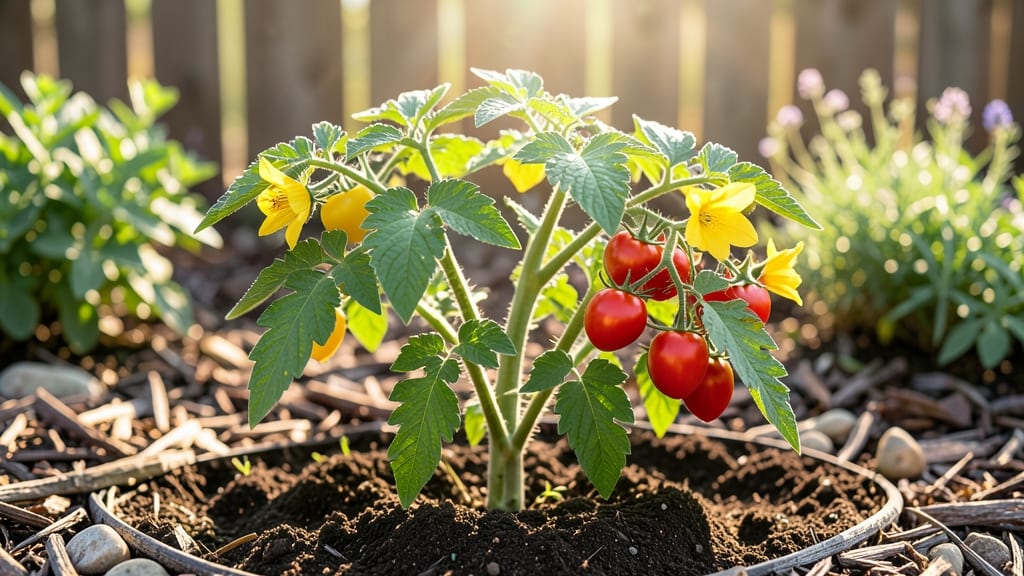
The identification of tomato plants by leaf shape and stems saves you from buying the wrong variety—or worse, mistaking weeds for seedlings. 🌱 I’ve spent years distinguishing heirlooms from hybrids, and the key is in those first few leaves and how the plant grows.
A single glance at the leaf serrations or stem hairiness tells you whether you’re dealing with a sprawling indeterminate or a compact determinate type.
The biggest mistake? Assuming all tomato seedlings look the same. Heirlooms often have deeply lobed leaves and bifurcated stems, while hybrids might show smoother edges or variegation. Even fruit color hints at the type—yellow or orange often signals a different growing habit than deep red.
Start by comparing your plant to seed packet photos, then cross-check with a free plant ID app like PlantNet for tricky cases.
Once you learn these cues, you’ll spot diseased plants early (like the yellowing leaves of early blight) or avoid buying the wrong variety for your space.
A determinate plant stays bushy and stops growing at a certain height, while indeterminate types keep climbing until frost—knowing the difference means better pruning and staking. This skill alone cuts gardening frustration by half.
For advanced gardeners, dig into databases like the Tomato Variety Collection or use a magnifying glass to check stem hairiness (a trait some heirlooms lack). Even a simple notebook with sketches of your plants’ first true leaves becomes an invaluable reference.
The more you observe, the easier it gets—and soon, you’ll recognize varieties just by their first leaves.
📚 In This Guide
- What you need
- Instructions
- Tips and common mistakes
- Wrapping up and next steps
What you need
- ● Tomato plant samples: 1-3 live plants (or high-quality photos/videos if working remotely) for comparison.
- ● Hand lens or magnifying glass: 1 (5x-10x magnification) to examine fine details like leaf texture or stem hairs.
- ● Ruler or measuring tape: 1 (preferably with metric and imperial units) to measure leaf size and stem thickness.
- ● Notebook or digital device: 1 (for recording observations like leaf shape, color, and growth patterns).
- ● Field guide or ID app: 1 (e.g., PlantSnap or iNaturalist) for cross-referencing features.
- ● Pruning shears: 1 pair (small, sharp blades for safe leaf/stem sampling if needed).
- ○ Gloves (optional): 1 pair (nitrile or cotton) to protect hands from prickly stems or sap.
- ● Camera with macro mode: 1 (for close-up shots of unique features like leaf veins or fruit scars).
- ● Moisture meter: 1 (to check soil conditions if identifying stressed plants).
- ● Reference books: 1-2 (e.g., Heirloom Tomatoes by Steve Albert or The Tomato Book by Craig LeHoullier).
- ● Grow lights or UV flashlight: 1 (to inspect leaf undersides or hidden stem details).
- ● Local gardening community access: (online forums or in-person groups for peer verification).
How to identify tomato varieties by leaf shape and stem
Tomato plants reveal their secrets in their leaves and stems—here’s how to read them like a pro.
🌿 Step 1: Examine Leaf Shape for Variety Clues
Start by inspecting the first true leaves (not the seedling cotyledons) as they’re the most reliable indicators. Determinate varieties like Roma or Celebrity have broad, lobed leaves that grow in a compact bush shape. These leaves often look like deeply serrated maple leaves, with 3-5 prominent lobes per leaf.
Indeterminate varieties such as Cherry or Beefsteak show slender, more divided leaves with narrower lobes that grow continuously. Their leaves tend to be hairier and more feathery, especially on newer growth. Hold a leaf up to light—you’ll notice the veins form a fine, web-like pattern in indeterminates, while determinates have thicker, more pronounced veins.
🌱 Step 2: Check Stem Growth Habits
The stem tells you whether a plant will grow bushy or vining. Determinates produce sturdy, woody stems that stop growing after flowering, forming a compact, rounded plant. You’ll see thicker stems with shorter internodes (the distance between leaves), often less than 2 inches apart.
Indeterminates, on the other hand, have slender, flexible stems that keep growing until frost. Their internodes stretch 3-6 inches long, and the plant climbs or sprawls rather than staying bushy. Run your fingers along the stem—determinates feel firmer, while indeterminates are softer and more bendable.
☀️ Step 3: Observe Leaf Arrangement and Texture
Look at how leaves attach to the stem. Determinates have alternate leaf patterns (one leaf per node) with stiffer, waxier surfaces. Their edges often have smaller, sharper serrations that feel almost prickly to the touch.
Indeterminates display more delicate, hairy leaves with softer serrations and a lighter green hue. Their leaves may also curl slightly at the edges in bright light, while determinates stay flat. This texture difference helps distinguish heirlooms (often indeterminate) from hybrids (which can go either way).
✂️ Step 4: Verify with Flower and Fruit Clusters
While not always visible early on, flower clusters confirm your guess. Determinates produce flat-topped clusters (called "trusses") at the ends of branches, often with 5-10 flowers per cluster. These plants stop growing after flowering begins.
Indeterminates develop longer, dangling clusters along the stem, with fewer flowers per cluster (usually 3-6). Their flowers appear later in the season, and the plant keeps sending out new growth until frost. If you spot both bushy growth and long vines, you’re likely dealing with a semi-determinate variety like 'Mountain Merit'.
📝 Step 5: Cross-Reference with Known Samples
For absolute certainty, compare your plant to known varieties under similar growing conditions. Place leaves side-by-side with determinate (Roma) and indeterminate (Sungold) samples—the differences become obvious. Note the leaf color (darker greens often indicate determinates) and stem thickness (indeterminates stay slender).
If you’re still unsure, wait for fruit: determinates produce all at once, while indeterminates trickle-ripe over weeks. This final checkpoint often resolves any lingering doubts. Keep a small notebook by your plants—jotting down leaf shapes and growth patterns will sharpen your skills over time.
Tips & tricks for mastering tomato plant identification
These quick insights will help you spot the subtle clues that distinguish tomato varieties like a seasoned gardener.
Leaf Shape is Your First Clue: In Step 1, when examining the first true leaves, focus on the vein pattern—indeterminate varieties like Sungold have a delicate web-like network, while determinates like Roma show bold, pronounced veins. I always hold leaves up to light to see this difference clearly; it's the fastest way to narrow down your plant's identity.
Stem Texture Reveals Growth Habits: The key in Step 2 isn't just the thickness but how the stem feels. Run your thumb along the stem—determinates have that satisfying firmness, like a well-built fence post, while indeterminates feel almost springy. This tactile difference tells you everything about how the plant will grow without waiting for flowering.
Texture Talks in Step 3: Pay attention to leaf edges in Step 3—they're not just decorative. Determinate leaves often have those tiny, almost papery serrations that feel like walking through a field of fine grass, while indeterminates have softer, more flexible edges. This texture difference helps distinguish heirlooms from hybrids, which can be crucial for seed saving.
Document Your Observations: For Step 5, I can't stress enough how valuable a simple notebook becomes. Jot down the leaf shape, stem feel, and any other distinguishing features you notice. Over time, you'll develop an intuitive sense for patterns that might not be obvious at first glance. This documentation becomes your reference library for future plant identifications.
Pro Tips for Tomato Plant Identification
- These quick insights will help you spot the subtle clues that distinguish tomato varieties like a seasoned gardener.
- I always hold leaves up to light to see this difference clearly; it's the fastest way to narrow down your plant's identity.
- Stem Texture Reveals Growth Habits: The key in Step 2 isn't just the thickness but how the stem feels.
Frequently asked questions
Got questions about spotting tomato plants in your garden or beyond? Here are some of the most common ones—and their answers—to help you identify them like a pro!
How can I tell the difference between a tomato plant and a poisonous lookalike?
Tomato plants (Solanum lycopersicum) have hairy stems, serrated leaves, and a strong, sweet scent when crushed. Poisonous nightshades (like deadly nightshade or bittersweet nightshade) often have smooth stems, glossy leaves, and berries that stay green. Always check for yellowing leaves or wilting—a red flag for pests or disease!
When is the best time to identify tomato plants in my garden?
Spot them early in the season (spring, when leaves first emerge) to monitor growth and pests. If you’re checking for volunteer tomatoes (plants that sprouted from dropped seeds), look in late summer or fall—they often pop up unexpectedly! Morning sunlight is ideal for clear leaf and stem inspection.
What if my tomato plant looks weird—do I need to remove it?
Not always! Curly leaves could mean heat stress or pests (like spider mites), while yellowing lower leaves are normal as the plant matures. If leaves are moldy, spotted, or covered in bugs, prune the damaged parts and treat with neem oil or insecticidal soap. When in doubt, snap a photo and compare it to online tomato plant databases.
Can I identify tomato plants by their flowers or fruit?
Tomato flowers are yellow (not white like potatoes) and grow in clusters. The fruit starts green and ripens to red (or other colors like yellow or purple). Warning: Some heirloom varieties may have striped or lobed leaves—check seed packets for specifics if you’re unsure!
What tools help me confirm it’s a tomato plant?
Grab a magnifying glass to inspect leaf veins and stems, or use a plant ID app (like PlantNet or Google Lens). For a DIY test, crush a leaf—tomato leaves smell herbaceous and sweet, while nightshades often have a bitter or chemical odor. A small pruning shears can help you collect samples for closer inspection.
Wrapping up and next steps
Identifying tomato plants is easier than you think—just focus on leaf shape, stem texture, and growth habits! 🌱 Whether you're a beginner or a seasoned gardener, recognizing these key features will help you cultivate the perfect tomatoes for your garden.
Now that you’re equipped with the knowledge, why not take the next step?
Start by visiting your local nursery or checking seed packets for verified varieties. If you’re feeling adventurous, grow a few different types and compare their leaves and stems firsthand—you’ll be amazed at how much you learn! Happy gardening! 🌿