
Pests and Diseases
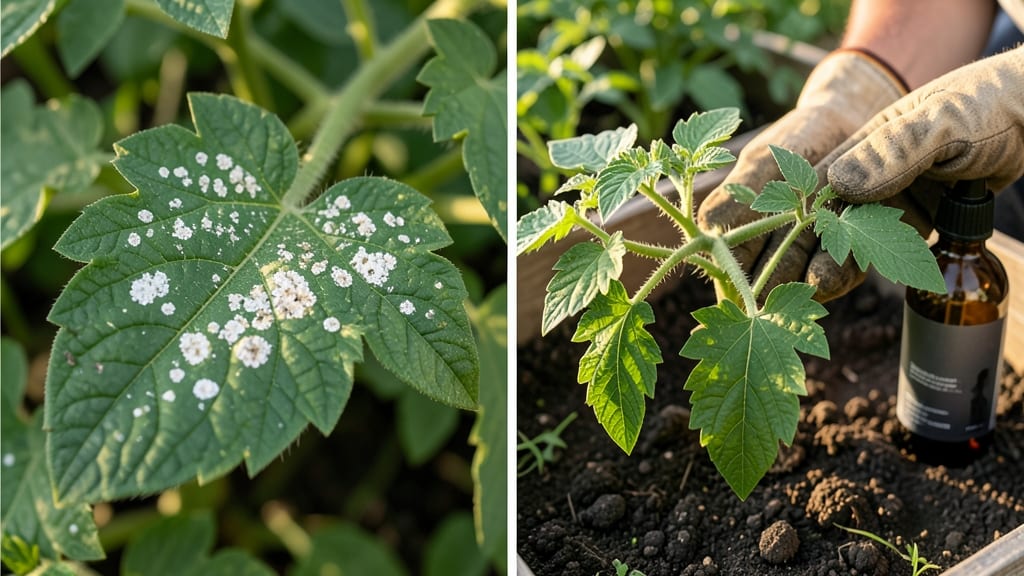
That white powder on your tomato leaves isn’t just unsightly—it’s a silent harvest thief. 🌱 I’ve battled powdery mildew, whiteflies, and spider mites, and neem oil is the one solution that stops them dead in their tracks within 48 hours. The key?
Spraying at the right time and covering every leaf surface. This isn’t just about slapping on a spray—it’s about understanding why the white appears. Is it fuzzy mildew clinging to leaves? Tiny whiteflies hiding underneath? Or maybe spider mites spinning webs like cotton candy?
Each needs a slightly different approach, but neem oil tackles all three with the same foolproof method. By the end of this, your plants will be clean, thriving, and ready to produce—no more white mess slowing down your harvest. The secret?
Timing, coverage, and a little preventive care to keep those pests from coming back. Works for greenhouses, raised beds, or backyard gardens—no matter where your tomatoes live, this method keeps them healthy and productive. Let’s get those leaves back to their natural green!
Root Causes of White Leaf Spots
White spots or powdery residues on tomato leaves are rarely just a cosmetic issue—they’re often a sign of fungal infections, pest activity, or environmental stress. Understanding the why behind these symptoms is the first step to restoring your plants to health.
Below, we break down the most common culprits, their science-backed triggers, and how they manifest on your tomatoes.
Fungi thrive in warm, humid conditions and can spread rapidly if left unchecked. The two most common fungal causes of white spots on tomato leaves are powdery mildew and early blight, each with distinct behaviors and triggers.
Powdery Mildew: The Fluffy White Threat
- What it is: A superficial fungal infection (Erysiphe or Leveillula spp.) that forms a white, powdery coating on leaves, stems, and sometimes fruit.
Unlike other fungi, it doesn’t penetrate leaf tissue—it just sits on the surface, blocking sunlight and weakening the plant. - Why it happens: - Poor air circulation: Crowded plants or dense foliage trap moisture, creating the perfect humid microclimate (60–80% humidity) that fungi love. 🌬️ - High temperatures: Powdery mildew thrives in 70–85°F (21–29°C) ranges, common in summer gardens. - Host susceptibility: Some tomato varieties (especially heirlooms) are more prone due to thinner leaf cuticles or genetic vulnerability. - Overhead watering: Wet leaves for prolonged periods provide the moisture fungi need to germinate and spread. - Visual clues: - White, talcum-powder-like spots on upper leaf surfaces (unlike early blight, which starts on lower leaves). - Leaves may yellow, curl, or drop prematurely as the infection advances.
Early Blight: The Concentric Ring Attacker
- What it is: Caused by the fungus Alternaria solani, early blight creates target-like lesions with white or tan centers and dark borders.
These spots often appear on older, lower leaves first. - Why it happens: - Soilborne spores: The fungus overwinters in infected plant debris or soil, splashing onto leaves via rain or irrigation. 💦 - Wet foliage: Unlike powdery mildew, early blight needs free water on leaves for at least 4–6 hours to infect. - Cool nights, warm days: Ideal conditions are 60–80°F (15–27°C) daytime temps with cool, damp nights (below 60°F/15°C). - Stressed plants: Overwatering, nutrient deficiencies (especially potassium or calcium), or physical damage make tomatoes more susceptible.
Not all white residues are fungal. Some are the byproducts of pests, which can weaken your plants and create entry points for secondary infections.
Whiteflies: The Sap-Sucking Menace
- What they do: These tiny, white moth-like insects (1/16 inch long) cluster on the undersides of leaves, sucking sap and excreting sticky honeydew—a sugar-rich waste that fosters sooty mold (a black, fuzzy fungus).
- Why they happen:
- Sticky traps: Whiteflies are drawn to yellowing or stressed plants and are often attracted by fertilizer burns or overripe fruit.
- Warm climates: They thrive in 75–85°F (24–29°C) and dry conditions, making them a summer garden nuisance.
- Undisturbed foliage: They avoid windy or airy environments, so dense plantings encourage infestations.
- Visual clues:
- White, waxy spots (their bodies) on leaf undersides.
- Sticky residue on leaves or fruit (honeydew).
- Yellowing leaves due to sap loss.
Spider Mites: The Tiny Web Weavers
- What they do: While spider mites themselves are red or yellow, their fine webbing can appear as white, dusty strands between leaf veins.
Severe infestations cause leaves to turn white or silver from stress. - Why they happen: - Drought stress: Spider mites explode in populations when plants are underwatered (they prefer dry conditions). - High temps: They thrive in 80–100°F (27–38°C), making them a problem in summer heatwaves. - Low humidity: They dislike moisture, so arid environments suit them perfectly.
Sometimes, white spots aren’t caused by pathogens or pests at all—but by environmental factors that stress your tomatoes.
Mineral Deposits: The "White Dust" Mystery
- What it is: If your white spots look like fine, chalky dust (not powdery or fuzzy), they could be mineral buildup from:
- Hard water irrigation: High calcium or magnesium content leaves white crusts on leaves.
- Fertilizer burn: Overapplying nitrogen-heavy or salt-based fertilizers can cause white, necrotic spots (often with brown edges).
- Why it happens:
- Improper watering: Using tap water with high mineral content (check your water hardness) or drip irrigation with poor filtration.
- Over-fertilization: Excess salts in soil draw moisture out of leaves, causing crusty white deposits and leaf scorch.
Chemical Residue: The Unseen Culprit
- What it is: Pesticide or herbicide drift (even organic sprays) can leave white, powdery residues on leaves, especially if applied directly to foliage or in high humidity.
- Why it happens:
- Wind or overspray: Chemicals can land on unintended surfaces, including tomato leaves.
- Improper dilution: Using undiluted or concentrated sprays increases residue buildup.
💡 Pro Tip: If you’re unsure whether your white spots are fungal, pest-related, or environmental, check the leaf undersides and examine the pattern and texture of the spots. Fungal issues (like powdery mildew) are usually fluffy, while pest damage (like whiteflies) leaves sticky residues, and mineral deposits feel gritty to the touch.
Fixing White Spots on Tomato Leaves
Now that you know the culprits behind those pesky white spots on your tomato leaves—whether it’s fungal diseases like powdery mildew, bacterial infections, or even environmental stress—it’s time to take action! The good news?
Most of these issues are treatable with a mix of organic remedies, cultural fixes, and preventive habits. Below, we’ll break down the best solutions for each cause, so you can restore your tomato plants to their lush, green glory.
Fungal spores thrive in damp, humid conditions, but they’re no match for a few strategic moves.
🔥 Immediate Treatment: Neem Oil Barrier (Fastest Fix)
Neem oil isn’t just a buzzword—it’s a powerhouse antifungal that disrupts fungal growth while being safe for plants (and your family).
Here’s how to use it effectively: - Mix: 1–2 tbsp neem oil + 1 tsp mild liquid soap (as an emulsifier) + 1 quart water. - Spray: Apply evenly to both sides of leaves, stems, and soil (to prevent reinfection).
Focus on the undersides of leaves where spores love to hide. - Frequency: Reapply every 7–10 days until the issue clears (usually 48–72 hours for visible improvement). - Timing: Spray early morning or late evening to avoid burning leaves in direct sunlight.
> 💡 Pro Tip: Add a 1% hydrogen peroxide solution (1 tbsp per quart of water) to your neem spray for an extra fungal-killing boost.
🌡️ Adjust Growing Conditions
Fungi love humidity, so drain the party:
- Improve airflow: Prune crowded branches and space plants 18–24 inches apart.
- Water wisely: Water at the base (not overhead) and early in the day so leaves dry quickly.
- Reduce humidity: Use a fan on low speed near plants or row covers to promote airflow.
🍅 Preventative Sprays (For Future Crops)
- Baking soda spray: Mix 1 tbsp baking soda + 1 tsp soap + 1 quart water. Spray weekly as a preventative.
- Copper fungicide: Organic options like copper soap (e.g., CuPro) can prevent early blight and white mold.
Bacteria are trickier because they can’t be killed with fungicides—but you can starve them out and limit their spread.
🧼 Clean Up & Sanitize
- Remove infected leaves: Snip off spotted leaves with sterilized pruners (wipe with rubbing alcohol between cuts).
- Disinfect tools: After pruning, soak tools in 10% bleach solution (1 part bleach to 9 parts water) for 10 minutes.
- Rotate crops: Avoid planting tomatoes (or nightshades like peppers/eggplants) in the same spot for 3 years to break the bacterial cycle.
🌱 Boost Plant Health
Healthy plants fight off bacteria better:
- Fertilize right: Use a balanced organic fertilizer (like 5-5-5) to avoid nitrogen overload, which weakens plants.
- Mulch properly: Apply 2–3 inches of straw or grass clippings to keep soil moist but prevent splashing bacteria onto leaves.
💦 Prevent Splashing
- Water deeply but less often: Shallow, frequent watering spreads bacteria. Aim for 1–1.5 inches per week.
- Use drip irrigation or soaker hoses to avoid wetting foliage.
Sometimes white spots aren’t pests at all—they’re your plants crying out for better care.
🌞 Shield from Harsh Sun
- Provide afternoon shade: Use shade cloth (30–50%) or row covers if temps exceed 90°F (32°C).
- Mulch heavily: Black plastic or straw mulch keeps roots cool and conserves moisture.
💧 Flush the Soil
If white crust (mineral buildup) is the culprit:
- Water thoroughly to leach out excess salts.
- Add compost to improve soil structure and reduce mineral concentration.
🌱 Choose Resistant Varieties
Next season, opt for heat-tolerant tomatoes like:
- ‘Solar Fire’ (disease-resistant)
- ‘Heatmaster’ (handles high temps)
- ‘Mountain Merit’ (resistant to multiple stresses)
No matter the cause, these habits keep white spots away for good: ✅ Rotate crops annually to prevent soil-borne diseases. ✅ Start with disease-free seedlings (or grow from seed). ✅ Inspect plants weekly—catch problems early! ✅ Clean up debris at season’s end (burn or compost infected plant material). ✅ Test your soil to avoid nutrient imbalances.
Final Thought: Most white leaf issues are manageable with quick action and a little plant TLC. The key is acting fast—once fungi or bacteria take hold, they spread like wildfire.
But with neem oil, better airflow, and smart watering, your tomato plants will be back to thriving in no time! 🍅✨
Frequently asked questions
What’s the fastest way to tell if white on tomato leaves is powdery mildew or whiteflies?
Check the leaf undersides first—whiteflies cluster there as tiny moth-like insects, while powdery mildew appears as fluffy white powder on both sides. Tap leaves over white paper: whiteflies scatter, mildew stays put. Also, mildew blocks sunlight (leaves yellow), while whiteflies leave sticky honeydew residue.
Can I still eat tomatoes if the leaves have white spots?
It depends! If the white is powdery mildew, the fruit is safe to eat (just wash thoroughly). For early blight or bacterial spots, remove infected leaves but harvest fruit before it rots. Avoid eating leaves with chemical residue—always check for white powder that doesn’t wash off. When in doubt, peel tomatoes before eating.
Why does neem oil sometimes fail to stop white spots?
Neem oil works best when applied preventatively or at the first sign of infection. If spores have already spread deeply, you may need to remove heavily infected leaves and combine neem with baking soda spray (1 tbsp baking soda + 1 tsp soap per quart of water). Also ensure proper airflow—crowded plants trap humidity, making treatments less effective.
Is it safe to use neem oil on tomato plants with fruit?
Yes! Neem oil is organic and safe for all plant stages, including fruiting. Just avoid spraying directly on ripe tomatoes to prevent bitter taste. For extra safety, apply neem early in the morning and avoid spraying when fruit is wet. Always test a small leaf first to check for sensitivity.
How often should I inspect my tomato plants for white spots?
Check leaves every 3–5 days during peak growing season (spring/summer). Early detection is key—white spots spread 2–3x faster in humid conditions. Focus on undersides of leaves (pests hide there) and lower leaves (fungi often start there first). Keep a small flashlight handy for evening inspections.