
Pests
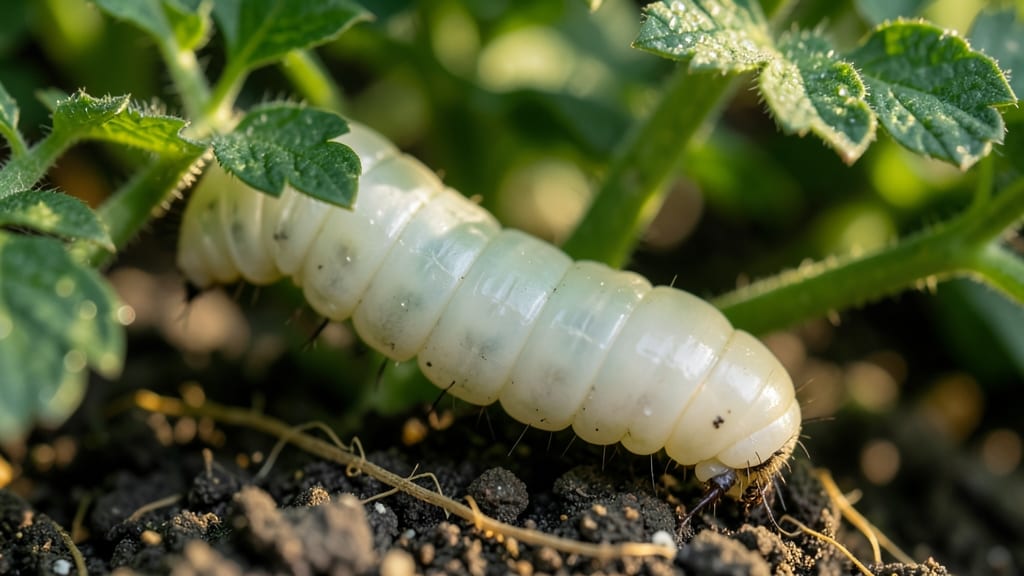
Tomato plant grubs can turn your lush vines into skeleton leaves overnight—unless you act fast. I’ve lost entire harvests to these sneaky pests until I discovered the neem oil barrier trick that stops them in their tracks before they even reach your plants.
The secret? A simple, organic spray that disrupts their life cycle without harming your tomatoes or the soil.
Most grubs—like cutworms or wireworms—hide in the soil, chewing roots and stems from the inside out. You’ll spot them by wilting plants that collapse at the base or chewed leaves with jagged edges. The good news?
This fast-acting neem oil method works within 48 hours of application, and it’s safe for kids, pets, and pollinators once fully dried. No more reaching for harsh chemicals that leave your garden—and your conscience—feeling dirty.
By the end of this, you’ll have a foolproof routine to protect your tomatoes all season: early morning spraying, weekly preventative checks, and a few extra tricks to keep grubs from returning.
Your plants will stay strong, your harvest will stay bountiful, and you’ll never again watch helplessly as your hard work gets devoured from below. Let’s get those tomatoes thriving again.
Works for backyard gardens, raised beds, and even container-grown tomatoes—no matter how severe the infestation. The key is consistency, and I’ll walk you through every step so you can enjoy healthy, grub-free plants from seedling to harvest.
The Hidden Invaders Feasting on Your Tomatoes
When your lush tomato plants start looking ragged—leaves chewed into lace, stems tunneling like tiny miners—you’re likely dealing with larval pests. These tiny but destructive critters thrive under specific conditions, turning your garden into an all-you-can-eat buffet.
Understanding why they show up is the first step to outsmarting them. Here’s the science behind their unwelcome visits:
Larvae don’t just appear out of nowhere—they hatch from eggs laid by adult beetles or flies. When tomato plants are stressed (due to overcrowding, poor soil, or nutrient deficiencies), they emit volatile organic compounds (VOCs) that act like a dinner bell to pests. Here’s how it works:
- Root stress: Compacted or waterlogged soil weakens roots, making plants release sugars and amino acids that attract egg-laying females. Example: Colorado potato beetles prefer stressed Solanaceae (tomato family) plants.
- Leaf damage: Even minor damage from hail, wind, or other pests triggers a plant’s "SOS" signal—compounds like jasmonic acid that also lure grubs.
- Nutrient imbalance: Too much nitrogen (lush green growth) or too little potassium (weak stems) makes plants more vulnerable. Test your soil!
Actionable fix: Space plants 18–24 inches apart, mulch to retain moisture, and fertilize with a balanced 10-10-10 or compost tea to reduce stress signals.
Grubs love warm, damp conditions—think of them as tiny, worm-like versions of Goldilocks. Soil temperatures between 70–85°F and consistent moisture trigger egg hatching and larval growth. Here’s the breakdown:
| Condition | Why It Helps Grubs | Pest Examples |
|---|---|---|
| Warm soil | Speeds up egg development (some eggs hatch in 3–5 days at 80°F). | Cutworm larvae, flea beetle grubs |
| Moisture-rich soil | Larvae can’t survive without hydration; they burrow deeper to escape dryness. | Root maggots, wireworms |
| Organic matter buildup | Decaying plant material provides food and shelter for larvae. | White grubs (Japanese beetle larvae) |
Actionable fix:
- Use row covers early in the season to block adult beetles before eggs hatch.
- Improve drainage with sand or perlite to reduce moisture pockets.
- Rotate crops annually to disrupt larval life cycles.
Larvae are opportunistic feeders, and they zero in on areas with easy access to food. Organic debris—whether from last year’s compost, mulch, or even overwatered plant residue—creates a larval smorgasbord. Here’s how it happens:
- Compost piles: Partially decomposed matter is packed with bacteria and fungi that larvae munch on before moving to roots.
- Mulch layers: Thick mulch (especially grass clippings or untreated wood chips) traps moisture and heat, accelerating egg hatching.
- Weedy patches: Grubs from nearby weeds (like nightshade or purslane) may migrate to your tomatoes once the weeds die back.
Actionable fix:
- Rake away mulch 2 inches from the stem to create a dry barrier.
- Use straw mulch (less nitrogen-rich than hay) to deter egg-laying.
- Remove weeds before they seed—grubs hitchhike on their decomposition.
Most larval infestations peak during adult pest mating seasons, when females lay eggs in high numbers. For tomato grubs, timing varies by region but generally aligns with:
- Spring (April–May): Flea beetles and cutworms lay eggs as soil warms.
- Summer (June–July): Colorado potato beetles and root maggots reach egg-laying frenzy.
- Fall (August–September): Some grubs (like wireworms) overwinter as eggs and hatch in cooler months.
Actionable fix:
- Monitor adult pest activity with yellow sticky traps (for beetles) or pheromone traps (for moths).
- Plant early-season tomatoes under protective netting to avoid peak egg-laying periods.
- Handpick adult beetles daily during mating season (drop them in soapy water!).
💡 Pro Tip: If you’ve had grubs before, solarize your soil in late summer by covering beds with clear plastic for 4–6 weeks to kill overwintering eggs.
Quick Fixes for Tomato Plant Grubs
Now that you know what’s chewing on your tomato plants, it’s time to take action! The good news? Most grub problems can be tackled with simple, garden-friendly solutions. Below, we’ve matched common causes to the best fixes—plus prevention tips to keep your plants thriving long-term.
If your seedlings look stunted or wilt suddenly, root maggots or wireworms are likely the culprits. These pests thrive in moist, organic soil, so disrupting their habitat is key.
How to Fix It:
- 🍳 Trap Crops: Plant radishes or carrots nearby—grubs love them more than tomatoes. Once infested, remove and compost (or dispose of) the plants to break the cycle.
- 👨🍳 Soil Solarization: On a sunny day, cover the soil with clear plastic for 4–6 weeks. The trapped heat (up to 140°F) kills larvae and eggs without chemicals.
- 🥘 Diatomaceous Earth (DE): Sprinkle food-grade DE around the base of plants. It’s a natural abrasive that dehydrates grubs—reapply after rain.
- ⏰ Crop Rotation: Avoid planting tomatoes, potatoes, or peppers in the same spot for at least 3 years. Grubs target these families repeatedly.
💡 Pro Tip: Mix neem oil into your watering can (1 tbsp per gallon) to repel adult flies that lay eggs. Reapply every 7–10 days.
Seeing ragged leaves or missing stems? Cutworms and hornworms are likely the culprits. These pests are easy to spot—and even easier to remove.
How to Fix It:
- 🔪 Handpick at Night: Wait until dusk when hornworms emerge. Drop them into soapy water (they’re harmless but destructive).
- 🥘 Collar Barriers: Wrap the base of young seedlings with cardboard collars or aluminum foil (3–4 inches high). Cutworms can’t climb smooth surfaces.
- 🌡️ Bacillus thuringiensis (Bt): Spray this organic bacteria on leaves. It’s safe for humans but deadly to caterpillars. Reapply after rain.
- 🎯 Attract Predators: Plant dill, fennel, or marigolds nearby to lure beneficial insects like parasitic wasps, which hunt hornworms naturally.
✨ Prevention Hack: Hang yellow sticky traps near plants to catch adult moths before they lay eggs.
Neem oil isn’t just a repellent—it’s a multi-purpose shield against grubs at every life stage. Combine it with soil improvements for long-term defense.
How to Fix It:
- 🔥 Neem Oil Spray: Mix 1 tsp neem oil + 1 tsp mild soap + 1 quart water. Spray foliage and soil at dusk to avoid burning plants. Repeat weekly.
- 🌱 Compost Tea: Brew compost tea (steep compost in water for 24–48 hours, strain) and water plants. The microbial activity crowds out grub-friendly fungi.
- 💪 Beneficial Nematodes: These microscopic worms (Phasmarhabditis hermaphrodita) seek out and kill grubs. Apply at dusk in moist soil (follow package rates).
- 🔄 Mulch Smartly: Use straw or pine needles instead of wood chips. Grubs avoid these mulches, and they improve soil aeration.
💡 Soil Test First: If your soil is too wet or compacted, grubs thrive. Amend with perlite or sand to improve drainage and reduce their habitat.
🚨 Emergency Move: If grubs are severe, relocate infested plants to a new area with fresh, untreated soil. Dig a trench around the old spot to expose and remove hidden larvae.
Frequently asked questions
What are the most common types of grubs attacking tomato plants?
Tomato plants often face cutworms (which chew stems at soil level), root maggots (tiny white larvae tunneling through roots), and wireworms (hard, brown grubs that gnaw roots). Hornworms, though caterpillars, also cause major damage by devouring leaves and stems. Each type requires slightly different control methods—cutworms need barriers, while root maggots respond best to soil treatments like beneficial nematodes.
How do I know if my tomato plants have grubs and not just normal wilting?
Grub damage differs from drought stress: look for jagged leaf edges, plants that collapse at the base (like they’ve been cut), or roots that look chewed. Dig gently around the stem—if you find small white, brown, or C-shaped larvae, that’s your culprit. Wilting from grubs happens suddenly, often in just 24 hours, while drought wilting progresses slowly.
Can neem oil really stop grubs, or is it just a temporary fix?
Neem oil disrupts grubs’ life cycle at multiple stages—it repels adult beetles (preventing egg-laying), interferes with larval feeding, and can even kill eggs. For best results, apply it weekly at dusk (when pests are active) and combine it with soil treatments like diatomaceous earth. While not instant, consistent use creates a protective barrier that breaks their cycle within 2-3 weeks.
What’s the fastest way to save a tomato plant already heavily damaged by grubs?
For immediate action: prune away 50% of damaged foliage to redirect the plant’s energy, then apply beneficial nematodes (like Phasmarhabditis hermaphrodita) to the soil. Wrap the stem with cardboard collars to block cutworms, and water deeply to help recovery. If roots are severely damaged, consider transplanting to fresh soil—sometimes drastic measures save the plant faster than gradual fixes.
Will companion planting alone stop grubs from returning next season?
Companion planting (like marigolds or basil) helps deter some pests, but it’s not a standalone solution. For long-term grub control, combine it with crop rotation (avoid tomatoes in the same spot for 3 years), soil solarization, and neem oil applications in early spring. Grubs rely on consistent food sources—disrupting their habitat year after year is the key to breaking their cycle permanently.