
Companion Plants
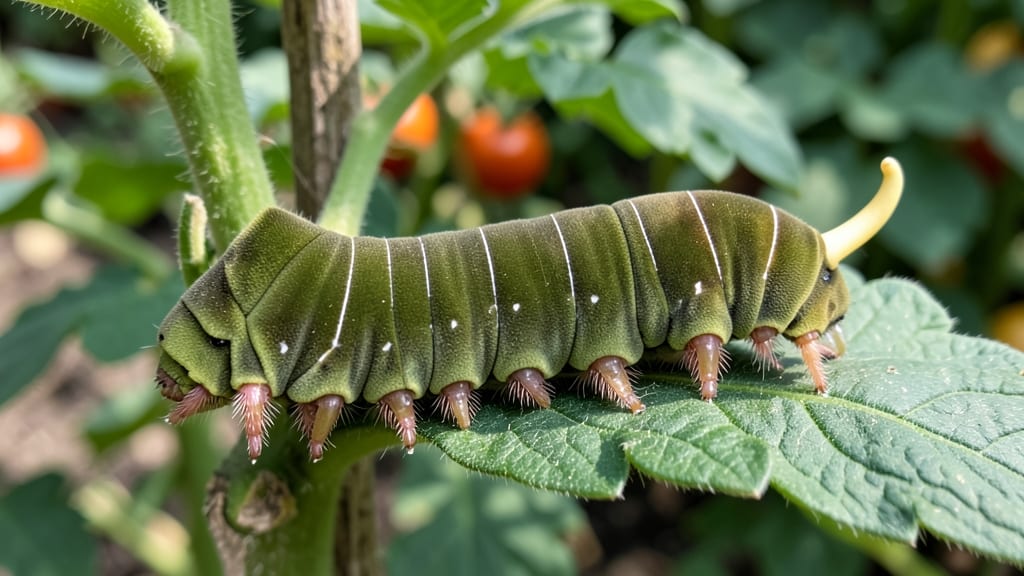
Finding a giant caterpillar devouring your tomato plant is every gardener’s worst nightmare. 🌱 The culprit is almost always a tomato hornworm—those striped, inch-long monsters that can strip a plant bare overnight.
My first encounter left me staring at a skeletonized tomato plant, but I learned how to fight back without harsh chemicals.
These caterpillars aren’t just hungry—they’re fast. A single hornworm can eat an entire leaf in minutes, and if left unchecked, they’ll move on to your peppers and eggplants. The good news?
Neem oil creates a natural barrier that disrupts their feeding while keeping bees and other pollinators safe. Handpicking works too, but you’ll need to act fast before they pupate into moths.
By combining neem oil sprays with companion plants like basil and marigolds, you’ll break their lifecycle before they become a full-blown infestation. The key is consistency—reapply the neem oil every 5-7 days and check plants daily for new eggs or caterpillars.
Within a week, your tomato plants will start recovering, and those hornworms won’t stand a chance.
This method works for backyard gardens, container grows, and even small urban plots. The best part? You’ll save your harvest without resorting to chemical sprays that harm beneficial insects. Let’s get those tomatoes back on track!
Root Causes of Caterpillar Infestations
When you spot a giant caterpillar munching away on your tomato plants, it’s rarely a random act—it’s usually a response to specific environmental or agricultural factors. Understanding these triggers is the first step to reclaiming your garden.
Below, we break down the key reasons why these voracious pests target your tomatoes and how they exploit your garden’s weaknesses.
Tomato plants produce chemicals called volatile organic compounds (VOCs) when their fruit ripens or gets bruised.
These compounds act like a dinner bell for caterpillars, signaling that the plant is ripe, soft, and easy to digest. Hornworms—a common giant caterpillar species—are particularly drawn to tomatoes because they’re high in water and nutrients, making them a high-calorie snack.
💡 Pro Tip: If you notice caterpillars clustering on specific tomatoes, check for overripe or damaged fruit. Remove these immediately and consider harvesting green tomatoes early to reduce attractants.
In a balanced ecosystem, birds, wasps, and parasitic flies keep caterpillar populations in check. However, if your garden lacks diverse plant life or beneficial insects, caterpillars thrive unchecked. Many gardeners unknowingly disrupt this balance by:
- Using broad-spectrum pesticides that kill both pests and their natural predators.
- Planting monocultures (only tomatoes), which offer no habitat for predator insects.
- Removing weeds or wildflowers that attract pollinators and predator species.
🔥 Key Insight: A garden with companion plants like basil, marigolds, or dill creates a mini-ecosystem where predators (like ladybugs or lacewings) have food and shelter, naturally reducing caterpillar numbers.
Caterpillars thrive in warm, humid environments because:
- 🌡️ Higher temperatures accelerate their metabolism, allowing them to grow faster and eat more.
- 💧 Moisture-rich air keeps their skin soft and prevents desiccation (drying out).
- 🌿 Lush, fast-growing plants (like tomatoes) provide abundant food when conditions are ideal.
In regions with long, hot summers, caterpillar populations can explode within weeks. If your garden is in a tropical or subtropical climate, you may see multiple generations of caterpillars per season.
✨ Actionable Fix: Use row covers or shade cloth to reduce heat stress on plants while still allowing airflow—this can deter egg-laying moths and slow caterpillar growth.
Many giant caterpillars, like the tomato hornworm, start life as tiny eggs laid on the undersides of leaves. If you don’t inspect your plants regularly, these eggs hatch into caterpillars before you even notice the problem. Common oversights include:
- Ignoring lower leaves and stems where moths prefer to lay eggs.
- Not removing old plant debris (like fallen leaves or pruned branches) where eggs may overwinter.
- Failing to rotate crops, which can leave residual caterpillar eggs in the soil.
🔍 Early Detection Tip: Conduct a weekly leaf-by-leaf inspection, especially after dusk when moths are most active. Look for:
- 🟢 Tiny green or yellow eggs (about the size of a pinhead).
- 🟡 Black or brown frass (caterpillar poop) on leaves.
- 🟣 Chewed holes in leaves or fruit.
By addressing these root causes—whether through better garden hygiene, encouraging predators, or controlling environmental conditions—you can starve out caterpillar infestations before they become a full-blown crisis. The next step? Learn how to create a neem oil barrier to protect your tomatoes naturally.
Quick Fixes for Tomato Plant Invaders
Finding a giant caterpillar munching on your tomato plant can feel like a nightmare—especially when you’ve poured so much care into your garden. But don’t panic! With the right approach, you can save your harvest and keep those pesky critters in check.
Below, we’ve mapped out practical solutions based on the most common causes of caterpillar infestations, from natural remedies to preventive strategies. Let’s turn the tide! 🚜🌱
If you’ve spotted tiny eggs (often laid in clusters on the undersides of leaves), the caterpillars could hatch within days. Here’s how to stop them before they become a full-blown problem:
🔥 Step 1: Scrape Off Eggs Manually
- How: Use a soft brush, damp cloth, or even your fingernails to gently scrape eggs into a cup of soapy water. Do this in the early morning when caterpillars are least active.
- Why: Eggs are vulnerable before hatching, and removing them prevents an explosion of caterpillars later.
🍳 Step 2: Apply Neem Oil Barrier
- How: Mix 1 tsp neem oil + 1 tsp mild dish soap + 1 quart of water. Spray both sides of leaves (especially where eggs are clustered) in the evening to avoid harming bees.
- Why: Neem oil disrupts caterpillar growth and repels adults from laying more eggs. Reapply every 5–7 days or after rain.
👨🍳 Step 3: Introduce Beneficial Insects
- How: Release parasitic wasps (like Trichogramma) or ladybugs near infested plants. These natural predators target caterpillar eggs.
- Where to buy: Garden centers or online (e.g., Arbico Organics, Gardeners.com).
- Pro tip: 💡 Release them at dusk when they’re most active and temperatures are cooler.
Caterpillars thrive in dense, unkempt gardens with plenty of hiding spots. A little garden hygiene goes a long way:
🔪 Step 1: Prune & Remove Debris
- How: Trim yellowing leaves, fallen fruit, and weeds around tomato plants. Bag and dispose of debris far from your garden (caterpillars pupate in soil).
- Why: Less clutter = fewer places for caterpillars to hide and fewer future eggs.
⏰ Step 2: Rotate Plant Families
- How: Avoid planting tomatoes (or other nightshades like peppers/eggplants) in the same spot every year. Rotate with beans, carrots, or herbs to disrupt caterpillar life cycles.
- Why: Many caterpillars (like hornworms) are drawn to the same plant families repeatedly.
🌡️ Step 3: Use Row Covers Early
- How: Install floating row covers (lightweight fabric) over young tomato plants before caterpillars appear. Secure edges with soil or bricks.
- Why: Blocks adult moths (which lay eggs) while allowing pollination if you hand-pollinate flowers.
If caterpillars have already stripped your plants, you’ll need a more aggressive (but still eco-friendly) approach:
🎯 Step 1: Handpick & Drop in Soapy Water
- How: Wear gloves and pluck caterpillars off plants (especially large ones like hornworms). Drop them into a bucket of soapy water to kill them instantly.
- Pro tip: ✨ Do this early in the morning when caterpillars are sluggish.
🔥 Step 2: Spray Bacillus Thuringiensis (Bt)
- How: Mix Bt (Bacillus thuringiensis) powder or liquid with water and spray directly on caterpillars (not just leaves). Reapply after rain.
- Why: Bt is a natural bacteria that paralyzes caterpillar digestive systems—safe for humans, pets, and beneficial insects.
🌱 Step 3: Plant Trap Crops
- How: Interplant basil, dill, or marigolds near tomatoes. These attract caterpillars away from your main crop.
- Why: Sacrificing a few trap plants can save your entire tomato harvest.
The best defense is a proactive garden. Here’s how to make your tomato patch caterpillar-proof:
- 💡 Plant companion plants like basil, mint, or nasturtiums—their strong scents repel moths.
- 🌡️ Monitor egg-laying hotspots (undersides of leaves) weekly during peak moth season (evening hours).
- 🍎 Use garlic or chili spray (blend 5 garlic cloves + 1 tbsp cayenne + 1 quart water; strain and spray) as a deterrent.
- 🎯 Install yellow sticky traps to catch adult moths before they lay eggs.
With these strategies, you’ll not only save your tomato plants but also create a garden that’s less inviting to caterpillars in the future. Happy gardening—and may your harvest be bountiful! 🍅🌿
Frequently asked questions
What kind of giant caterpillar is eating my tomato plants?
The most common culprit is the tomato hornworm, easily identifiable by its green body with white stripes and horn-like projection at the rear. These caterpillars can grow up to 4 inches long and devour entire leaves overnight. Other possibilities include the tomato fruitworm or sphinx moth caterpillars, which are slightly smaller but equally destructive.
How do I safely remove a giant caterpillar from my tomato plant?
Use a pair of gloves and gently pluck the caterpillar off the plant, then drop it into a bucket of soapy water to kill it instantly. For best results, do this early in the morning when caterpillars are sluggish. Avoid crushing them on the plant—this can release pheromones that attract more moths to lay eggs.
Will neem oil kill existing caterpillars or just deter them?
Neem oil won’t kill caterpillars instantly, but it disrupts their feeding and growth by interfering with their hormone systems. For immediate results, combine neem oil with Bacillus thuringiensis (Bt), a natural bacteria that paralyzes caterpillar digestive systems. Spray both sides of leaves in the evening to avoid harming bees.
Can I use companion plants to stop caterpillars from attacking my tomatoes?
Planting basil, marigolds, or dill near your tomatoes creates a natural barrier. These plants repel moths with their strong scents and can even act as trap crops to lure caterpillars away. Additionally, nasturtiums attract parasitic wasps that prey on caterpillar eggs.
How often should I check my tomato plants for caterpillar eggs?
Inspect your plants 2-3 times per week, especially after dusk when moths are most active. Focus on the undersides of leaves, where moths lay tiny green or yellow eggs (about the size of a pinhead). Early detection is key—remove eggs immediately to prevent an infestation.