
Pests and Diseases
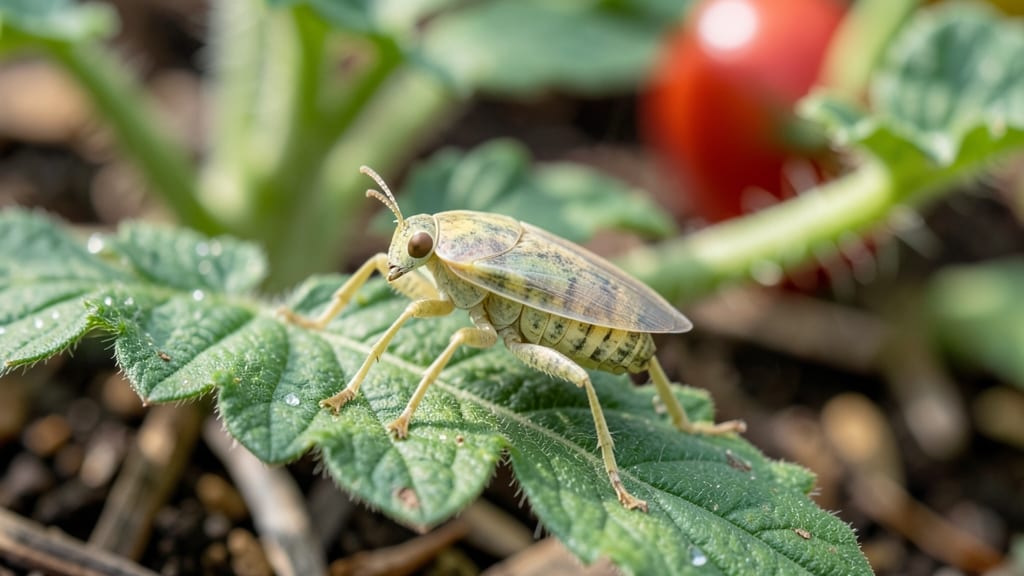
Organic tomato insect control isn’t just another garden spray—it's the secret weapon against tomato pests that actually works. 🌱 After battling aphids and hornworms for years, I finally cracked the code with a simple neem oil barrier that stops crawlers and eggs before they take hold. The key? Timing, concentration, and a little elbow grease—no toxic chemicals needed.
Most gardeners overlook the early signs of infestation, but I learned the hard way that prevention beats cure every time. A weekly neem oil spray during peak pest season (late spring through summer) creates a protective film that aphids, whiteflies, and even those dreaded hornworm eggs can't penetrate.
Plus, it strengthens plant resilience naturally—no harsh residues left behind.
By mid-July, your tomatoes will be thriving with bold red fruit and minimal pest damage. The plants stay lush, the soil stays healthy, and you avoid the heartbreak of watching your harvest get munched before it ripens. This method works for backyard gardens, containers, and even large-scale plots.
Here's the thing—neem oil isn't just a spray, it's a system. Combine it with companion planting (basil and marigolds are my go-tos) and you'll create an impenetrable defense. Let's get those tomatoes protected the right way!
Root Causes Of Tomato Pests
Tomatoes are a magnet for insects, but understanding why they’re so appealing—and how pests exploit your garden—is the first step to stopping them organically. Below, we break down the top biological, environmental, and plant-based triggers that turn your lush tomato plants into an all-you-can-eat buffet for bugs.
Knowledge is power, and this is your cheat sheet to outsmart the pests.
Tomatoes aren’t just food for pests—they’re signal beacons. When fruit ripens or gets bruised, it releases volatile organic compounds (VOCs) like ethylene and sugars that insects smell from yards away. Here’s the science:
- Homoptera (aphids, whiteflies, thrips) and Lepidoptera (tomato hornworms, fruitworms) are drawn to overripe or split tomatoes because the soft tissue is easier to penetrate for egg-laying.
- Cracked skin (from uneven watering or heat stress) creates entry points for fruit flies and stink bugs, which lay eggs in the wounds.
- Yellowing leaves (a sign of nutrient deficiency or disease) emit a scent that mimics stressed plants, tricking pests into thinking your tomatoes are easy prey.
Actionable fix: 💡 Prune overripe tomatoes promptly and harvest green ones early to prevent spoilage. Use reflective mulch (aluminum foil or silver plastic) to disrupt insect navigation.
Tomatoes are heat-lovers, but extreme temperatures (above 90°F/32°C) throw their natural pest-repellent systems into chaos. Here’s how:
- High heat reduces tomato plant’s production of jasmonic acid, a hormone that triggers defensive proteins (like protease inhibitors) to deter herbivores.
- Stunted growth from heat stress means fewer trichomes (tiny hair-like structures on leaves) that normally trap mites and aphids.
- Drought conditions cause osmotic stress, making plant sap sweeter—a magnet for sap-sucking insects like aphids and spider mites.
Actionable fix: 🌡️ Use shade cloth (30-50%) during peak afternoon sun and drip irrigation to keep soil moisture consistent. Mulch with straw to regulate root-zone temps.
Healthy soil = healthy tomatoes. But when beneficial microbes (like Bacillus thuringiensis or Trichoderma fungi) are outnumbered by pathogens, pests get a foothold. Key culprits:
- Root-knot nematodes thrive in compacted, low-organic soil because they feed on weakened root exudates (sugars released by stressed plants).
- Fungal gnats and wireworms are drawn to over-fertilized nitrogen (which boosts soft, sugary growth—their favorite snack).
- Mycorrhizal fungi (which protect roots) die off in high-salt or acidic soils, leaving roots vulnerable to cutworms and slugs.
Actionable fix: 🔥 Amend soil with compost tea (brewed with Trichoderma harzianum) and biochar to restore microbial diversity. Avoid synthetic fertilizers—opt for fish emulsion or worm castings instead.
Tomatoes rely on bees and hoverflies for pollination, but these same visitors can unwittingly spread pests. Here’s how:
- Bees carry aphid mummies (their natural predators) to new plants, accidentally introducing colonies.
- Hoverflies (which eat aphids as adults) lay eggs near tomato flowers, and their larvae can overwhelm young plants if aphid populations explode.
- Wind-blown pollen from nearby crops (like corn or wheat) can attract corn earworms, which then migrate to tomatoes.
Actionable fix: 🎯 Plant companion flowers like marigolds or dill to attract beneficial wasps (which prey on tomato pests) without disrupting pollinators. Avoid broad-spectrum neonicotinoids—they kill both pests and pollinators.
Planting only tomatoes (or other nightshades like peppers/eggplants) in the same spot year after year is like rolling out a welcome mat for specialists. Here’s why:
- Tomato hornworms and colorado potato beetles are host-specific—they’ve evolved to detect and target Solanaceae family plants. - No biodiversity = no natural predators.
In a monoculture, ladybugs, lacewings, and parasitic wasps (which eat tomato pests) have nowhere to forage. - Soil-borne pests (like verticillium wilt) build up in repeatedly planted beds, weakening plants and making them easier targets for secondary insect attacks.
Actionable fix: ✨ Practice crop rotation (move tomatoes to a new bed every 3 years) and interplant with basil, borage, or nasturtiums to disrupt pest cycles. Sacrificial trap plants (like Swiss chard) can lure pests away from your tomatoes.
Natural Fixes for Tomato Pests
Now that you understand the common culprits behind tomato pests—like aphids, hornworms, and whiteflies—it’s time to tackle them organically without harming your plants or the environment. Below are practical, step-by-step solutions tailored to each pest type, along with prevention tips to keep your tomato plants thriving.
Cause: These pear-shaped pests cluster on new growth, leaves, and stems, draining nutrients and spreading viruses.
How to Fix It: 🔥 Neem Oil Spray – The ultimate organic defense!
- Mix 1 tbsp neem oil + 1 tsp mild liquid soap + 1 quart water in a spray bottle.
- Apply early morning or late evening (avoid direct sunlight) to avoid burning leaves.
- Reapply every 5–7 days until aphids disappear.
🍳 Homemade Garlic & Chili Spray – A natural repellent.
- Blend 3 garlic cloves + 1 tbsp cayenne pepper + 1 quart water.
- Strain, add 1 tsp dish soap, and spray directly on infested areas.
👨🍳 Introduce Beneficial Insects – Ladybugs and lacewings love aphids!
- Purchase them online or attract them with dill, fennel, or marigolds in your garden.
🌡️ Prevention Tips:
- Inspect plants weekly—catch infestations early!
- Prune heavily infested leaves and dispose of them in sealed bags.
- Encourage strong airflow—aphids thrive in crowded, humid conditions.
Cause: These large, striped caterpillars can destroy a tomato plant overnight by munching leaves and fruit.
How to Fix It: 🔪 Handpick & Drop in Soap Water – The most effective method!
- Wear gloves and gently remove hornworms by hand.
- Drop them into a bucket of soapy water to prevent regrowth.
🥘 Bacillus Thuringiensis (BT) Spray – A natural bacterial pesticide.
- Mix 1 tsp BT powder + 1 quart water and spray evenly on leaves.
- Reapply after rain or every 7–10 days.
🎯 Attract Parasitic Wasps – Nature’s pest control!
- Plant basil, dill, or parsley to attract braconid wasps, which lay eggs inside hornworms (killing them naturally).
✨ Prevention Tips:
- Remove egg clusters (tiny white ovals on leaves) before they hatch.
- Use row covers early in the season to block adult moths from laying eggs.
- Plant basil nearby—its scent repels hornworms!
Cause: These white, moth-like insects cluster on the undersides of leaves, weakening plants and leaving behind a sticky residue (honeydew).
How to Fix It: 🍳 Sticky Yellow Traps – Lure and trap them!
- Hang yellow sticky cards near tomato plants to catch adult whiteflies.
- Check traps daily and replace when saturated.
🔥 Neem Oil + Insecticidal Soap Combo – A double whammy!
- Mix 1 tbsp neem oil + 1 tbsp castile soap + 1 gallon water.
- Spray directly on leaf undersides where they hide.
💡 Yellow Duct Tape Trick – A DIY trap for stubborn infestations.
- Cut yellow duct tape into strips, sticky-side-out, and wrap around stems.
- Whiteflies get stuck—remove and dispose daily.
🌡️ Prevention Tips:
- Avoid over-fertilizing with nitrogen—whiteflies love lush, soft growth.
- Space plants properly for better airflow (they thrive in crowded areas).
- Rotate crops yearly to disrupt their lifecycle.
To prevent future pest problems, follow these proactive steps:
✅ Crop Rotation – Avoid planting tomatoes in the same spot two years in a row. ✅ Healthy Soil = Strong Plants – Use compost and organic fertilizers to boost plant resilience. ✅ Companion Planting – Grow basil, marigolds, or nasturtiums to repel pests naturally. ✅ Early Morning Watering – Keeps foliage dry, reducing fungal diseases that attract pests.
By combining these organic methods, you’ll create a pest-resistant tomato garden without harsh chemicals. 🚀 Try one or two solutions this season and watch your plants thrive!
Frequently asked questions
Can I use neem oil on tomato plants when fruit is already forming?
Yes, but with caution! Neem oil is safe for all growth stages, but avoid spraying directly on ripe or nearly ripe tomatoes to prevent bitter flavors. Focus on leaves and stems during fruiting—it won’t harm developing fruit. Always use the 1 tbsp neem oil + 1 tsp soap per quart water ratio and apply in the evening to minimize plant stress.
How often should I reapply organic sprays like garlic-chili mix?
Reapply homemade sprays like garlic-chili mix every 5-7 days or after heavy rain. The active ingredients break down quickly, so consistency is key. For best results, spray in the early morning or late evening when temperatures are cooler—this prevents leaf burn and gives the solution time to work before evaporation.
Will companion planting alone stop tomato pests?
Companion planting helps, but it's not a standalone solution. While basil and marigolds repel many pests, they won't eliminate infestations completely. Use them as part of your defense system—pair with neem oil sprays or beneficial insects for maximum protection. The key is creating an ecosystem where pests have fewer opportunities to thrive.
Can I use coffee grounds as an organic insect control?
Coffee grounds work best as a soil amendment rather than a direct pest control. Sprinkle them around the base of plants to repel slugs and deter some insects, but they won't stop aphids or hornworms. For maximum benefit, mix them into compost or use as mulch—this improves soil health while providing indirect pest protection.
Why do my tomato plants keep getting reinfested after treatment?
Reinfestations often happen because adult pests keep migrating in or eggs remain unnoticed. To break the cycle:
- Check leaf undersides daily for eggs,
- Use sticky traps for flying insects, and
- Rotate your organic treatments (try neem oil one week, garlic spray the next). Consistency is more important than any single method.