
Planting
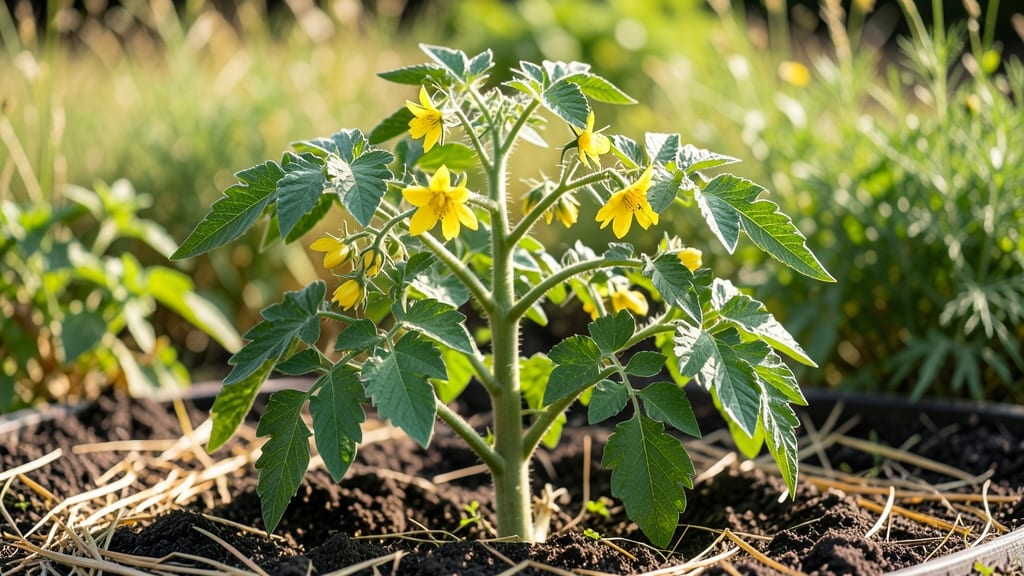
Tomato plants flowering early can turn your season into a game of "what if" instead of "what is." 🌱 I’ve watched my own plants bolt before they should, leaving me with tiny, bitter fruits—or worse, none at all.
The good news? This isn’t a death sentence for your harvest. It’s a signal to adjust care, not panic.
The culprits are usually heat stress, inconsistent watering, or overzealous pruning that tricks the plant into thinking winter’s coming. My first year, I thought my tomatoes were just slow starters—until I realized they’d already set flowers in May.
The fix starts with shade cloth on scorching days, deep watering at the roots, and holding off on heavy pruning until nighttime temps stay above 55°F.
What you’ll get right is a second wave of stronger, larger fruit later in the season. My plants now produce heavier yields in August after I learned to let them focus on growth first.
The key is balance: enough light to thrive, but not so much that they rush into flowering too soon.
This works for both backyard gardens and container growers—just scale the adjustments. Let’s turn those early blooms into a strategy, not a setback.
Root Causes of Premature Blooms
Early flowering in tomato plants isn’t always a bad thing—it just means your plants are eager to fruit before they’re fully ready. But when it happens too soon, it can lead to stunted growth, weak stems, or even fruit that doesn’t ripen properly.
Here’s why your tomato plants might be sending out flowers before you’re expecting them:
Tomatoes are tropical plants at heart, and they love warmth—but not too much of it. When daytime temperatures soar above 85°F (29°C) before your plants have established strong roots and foliage, they can trigger early flowering as a survival response.
This is especially true for indeterminate varieties, which are more sensitive to heat stress.
Why it happens:
- Stress hormones (abscisic acid) flood the plant when it’s too hot, signaling it to focus on reproduction instead of growth.
- Shortened daylight (if paired with heat) can also confuse the plant’s internal clock, making it think winter is coming—even if it’s not.
- Cold snaps followed by sudden warmth (like spring fluctuations) can shock the plant into flowering prematurely.
Actionable fix:
- Use shade cloth (30-50%) during peak afternoon heat to keep temps below 80°F (27°C).
- Wait to transplant seedlings until soil temps are consistently 60°F (15°C) or warmer for at least a week.
- Choose heat-tolerant varieties like ‘Solar Fire’ or ‘Heatmaster’ if you’re in a hot climate.
If your young tomato plants are too close together or getting too much nitrogen early on, they’ll prioritize leafy growth—but if they’re also stressed (from transplant shock, drought, or poor drainage), they might bolt (send up flowers) as a last-ditch effort to reproduce.
Why it happens:
- Excess nitrogen (N) promotes lush green growth but delays flowering—unless the plant is under stress (like root-bound conditions or drought), which can trigger early blooms.
- Root competition (from overcrowding) forces plants to "give up" on vegetative growth and shift energy to flowers.
- Transplant shock (from sudden changes in light, water, or soil) can confuse the plant’s hormonal balance.
Actionable fix:
- Space seedlings properly: At least 18-24 inches apart for determinate varieties, 24-36 inches for indeterminate.
- Balance your fertilizer: Use a low-N formula (like 5-10-10) once seedlings have 4-6 true leaves, then switch to a higher P/K ratio (like 10-20-20) to encourage flowering.
- Hardening off seedlings gradually (exposing them to outdoor conditions over 7-10 days) reduces transplant shock.
Tomatoes are short-day plants, meaning they flower more readily when daylight hours shorten (like in fall). But some varieties—especially determinate types—can get confused by unseasonably long daylight in early spring or artificial light (like grow lights left on too long).
Why it happens:
- 14+ hours of daylight can trick the plant into thinking it’s summer, delaying flowering.
- Sudden shifts in light exposure (like moving plants from a greenhouse to full sun too early) can disrupt their internal clock.
- Some heirloom varieties (like ‘Brandywine’) are more sensitive to photoperiod changes than hybrids.
Actionable fix:
- Monitor daylight hours: If your region gets long summer days (15+ hours), consider using blackout cloth at night to reduce light exposure to 12-14 hours.
- Avoid over-lighting seedlings: If using grow lights, keep them on for 12-14 hours max—no need for 24/7 lighting.
- Choose photoperiod-insensitive varieties like ‘Celebrity’ or ‘Better Boy’ if you’re in a long-day climate.
Tomatoes hate inconsistency—whether it’s drought stress or overwatering. Both can send the plant into survival mode, causing it to flower early as a way to ensure the next generation’s survival.
Why it happens:
- Drought stress increases ethylene gas production, a hormone that triggers flowering.
- Fluctuating moisture levels (like dry soil followed by a deep watering) can shock the plant’s root system.
- Overwatering (leading to root rot or poor oxygen in soil) stresses the plant, prompting early blooms.
Actionable fix:
- Water deeply but infrequently: Aim for 1-1.5 inches of water per week, delivered at the base of the plant (not the leaves).
- Use mulch (straw or shredded leaves) to keep soil moisture consistent.
- Avoid wetting foliage (water in the morning) to prevent disease and stress.
Not all tomatoes are created equal—some varieties are hardwired to flower early, especially if they’re early-maturing or cold-tolerant.
Why it happens:
- Determinate varieties (like ‘Roma’ or ‘Patio’) are bred to flower and fruit quickly, often within 60-70 days.
- Cold-hardy hybrids (like ‘Stupice’ or ‘Mountain Merit’) may bolt faster in cool springs.
- Heirlooms often have longer juvenile phases but can flower early if conditions are right.
Actionable fix:
- Check your seed packet for days to maturity—choose indeterminate varieties (like ‘Sungold’ or ‘Cherokee Purple’) if you want delayed flowering.
- Start seeds indoors 6-8 weeks before your last frost date to give plants a stronger root system before transplanting.
- Pinch suckers (side shoots) on young plants to delay flowering until the plant is more established.
Fixing Early Blooms for Better Harvests
Early flowering in tomato plants can be frustrating, but with the right adjustments, you can redirect their energy toward robust fruit production. Below are practical, step-by-step solutions tailored to the most common causes—plus prevention tips to keep your plants on track for a bountiful harvest.
If your plants are flowering early due to heat stress (especially in warm climates or early spring), they may bolt prematurely. Here’s how to cool things off:
- 🌿 Provide Shade Use shade cloth (30-50%) or temporary row covers during peak afternoon heat (10 AM–4 PM). This prevents the plant from overheating while still allowing sunlight for photosynthesis.
- 💦 Increase Watering (But Smartly) Deep watering early in the morning (before 9 AM) keeps roots cool and encourages stronger growth. Avoid wetting leaves to prevent fungal diseases like blight.
- 🌱 Adjust Planting Timing If you’re in a hot climate, opt for heat-tolerant varieties (like ‘Solar Fire’ or ‘Heatmaster’) or delay transplanting until nighttime temperatures stay above 50°F (10°C).
- 💡 Pro Tip: Mulch heavily with straw or grass clippings to insulate soil and retain moisture, reducing temperature spikes.
If your tomatoes are stretching and flowering early due to low light, they’re signaling stress. Fix it with:
- 🔥 Move to a Sunnier Spot Tomatoes need 6–8+ hours of direct sunlight daily. If indoors, place them near a south-facing window or supplement with grow lights (LED or fluorescent) for 12–14 hours/day.
- 🌿 Prune Strategically Remove lower leaves (up to the first flower cluster) to improve airflow and light penetration to the lower stems. This encourages stronger upper growth.
- 🍽️ Fertilize for Balance Switch to a lower-nitrogen, higher-phosphorus fertilizer (like 5-10-10) to support flowering. Avoid over-fertilizing with nitrogen-heavy mixes, which promote leafy growth over fruit.
If your plants are stressed from soggy roots, they may flower early as a survival response. Here’s how to correct it:
- ⏰ Water Deeply but Less Often Let the top 1–2 inches of soil dry out between waterings. Use a moisture meter or stick your finger in the soil to check—if it’s damp, wait.
- 🔧 Improve Drainage Amend heavy or clay soil with compost, perlite, or coarse sand to prevent waterlogging. Raised beds or containers with drainage holes also help.
- 🌱 Choose the Right Container If growing in pots, ensure they have drainage holes and use a lightweight potting mix (avoid garden soil, which compacts).
Early flowering can signal a phosphorus or potassium deficiency (or excess nitrogen). Rebalance with:
- 📊 Test Your Soil Use a DIY soil test kit (available at garden centers) to check pH and nutrient levels. Tomatoes thrive in slightly acidic soil (6.0–6.8 pH).
- 🥄 Switch to a Bloom Booster Feed with a phosphorus-rich fertilizer (like bone meal or a 10-20-10 mix) once flowering starts, then switch to a potassium-heavy formula (like 0-0-50) when fruits set.
- 🚫 Avoid Over-Fertilizing Too much nitrogen = leafy monsters, no fruit. Follow package instructions and dilute liquid fertilizers to half-strength.
If your tomatoes are struggling after being moved, they may flower early as a stress response. Ease the transition with:
- 🌿 Harden Off Gradually If starting indoors, acclimate plants to outdoor conditions over 7–10 days by moving them outside for increasing lengths of time.
- 💧 Water Thoroughly After Transplanting Give them a deep watering to reduce shock. Use a root stimulator (like seaweed extract) to encourage recovery.
- 🍃 Prune Damaged Leaves Remove any yellow or wilted leaves to reduce stress and redirect energy to new growth.
Stop early flowering before it starts with these long-term strategies:
- 🌱 Pick the Right Variety Choose determinate tomatoes (bush types) for cooler climates—they flower later than indeterminate varieties.
- 📅 Time Planting for Your Climate
- Cool climates: Start seeds 6–8 weeks before last frost, transplant after soil warms to 55°F (13°C).
- Hot climates: Start seeds indoors in late winter, transplant in early spring to avoid summer heat.
- 🌡️ Use Row Covers Early For spring plantings, use floating row covers to protect from cold snaps and extend the growing season.
- 💡 Monitor for Pests & Diseases Aphids, whiteflies, and fungal diseases can stress plants. Use neem oil or insecticidal soap preemptively.
Final Thought: Early flowering isn’t a death sentence—it’s a signal to adjust care and give your tomatoes the conditions they need to thrive. With these fixes, you’ll be on your way to plump, juicy tomatoes instead of premature blooms! 🍅✨
Frequently asked questions
Why do my tomato seedlings flower so early indoors?
Seedlings often flower early indoors due to long daylight exposure (14+ hours) from grow lights or natural sunlight. Tomatoes are short-day plants—they flower when daylight shortens. Use a timer to limit grow lights to 12-14 hours/day and avoid placing seedlings near south-facing windows with intense morning light. This mimics natural conditions and delays flowering until transplanting.
Can I still get a good harvest if my tomatoes flower early?
Yes! Early flowers often produce small, bitter fruit, but your plant will typically refocus energy on later growth after removing the first blooms. Pinch off early flowers (if desired) to let the plant build stronger stems and leaves. With proper care—like balanced fertilization and consistent watering—you'll get larger, sweeter tomatoes later in the season. Think of it as a reset button!
What's the difference between early flowering and bolting?
Early flowering means your tomato plant is producing flowers before it's mature enough, while bolting refers to the plant sending up a tall, flower-stalk (bolt) as a survival response to stress (like heat or cold). Both can happen together, but bolting is more extreme—it signals the plant is giving up on vegetative growth to focus on reproduction. If you see a rapid stem elongation with flowers, you're dealing with bolting.
Should I remove early flowers entirely?
It depends on your goals! For larger fruit later, remove early flowers to let the plant focus on stem and leaf growth. However, if you want some early tomatoes, leave a few clusters—just be prepared for smaller fruit. The key is balance: keep 2-3 main stems strong by pruning suckers, and remove flowers only if the plant looks stressed or overcrowded.
Can I save my tomato plant if it's already flowering early?
Even if flowering starts early, you can still salvage your harvest. Prune aggressively—remove up to half the early flowers and any weak stems. Shift to a bloom-boosting fertilizer (like 10-20-20) and ensure consistent watering (1-1.5 inches/week). Most plants will rebound and produce better fruit later, especially if you protect them from extreme heat with shade cloth. Patience pays off!