
How To
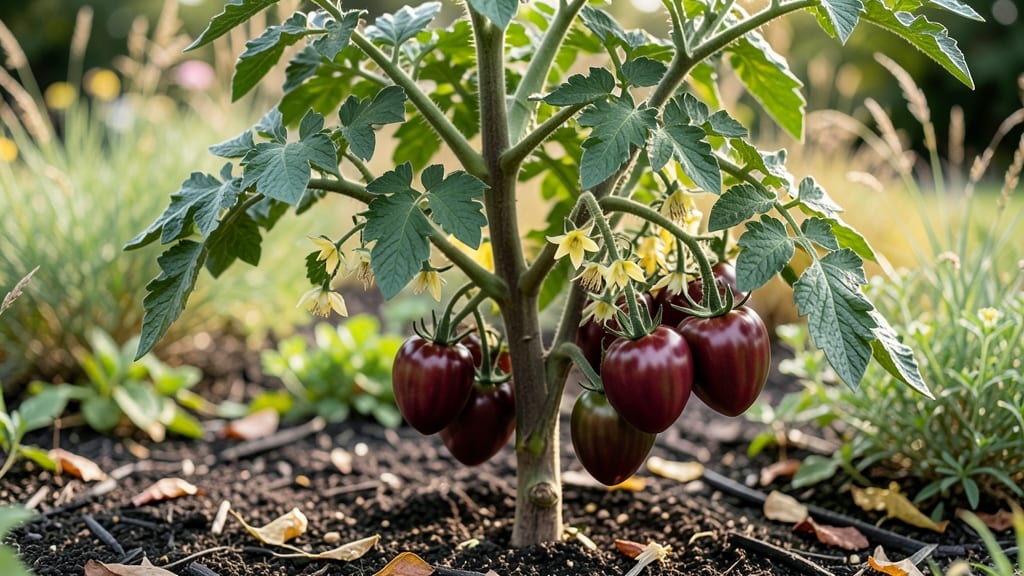
The Cherokee Purple tomato grows to a towering 4 to 6 feet tall with sprawling vines that demand space and support to reach their full potential 🍅.
If you're dreaming of juicy, deep-red Cherokee Purple tomatoes but wondering whether your garden space can handle their sprawling vines, you're not alone. This heirloom variety isn't just famous for its flavor—it's also a growth powerhouse that demands smart planning to thrive.
Without proper care, those vines can quickly outgrow even the largest containers or cages, leading to tangled plants and missed harvests. The good news? With the right spacing and support, you can maximize both yield and garden layout while keeping plants healthy and productive.
In this guide, I’ll break down exactly how tall Cherokee Purple tomatoes grow, the best support systems for their size, and 5 pro tips to control their height without sacrificing those prized fruits.


Cherokee Purple tomato vine height: exact growth range and space requirements
Planning your garden layout around a Cherokee Purple tomato plant starts with understanding its indeterminate growth habit. Unlike bush varieties, these vines don't stop growing—expect them to reach 4 to 6 feet tall with proper care, and sometimes even taller in ideal conditions.
My own plants hit 5.5 feet last summer with consistent watering and full sun exposure.
What's often overlooked is the mature plant width, which can spread 3 to 5 feet wide without support. This sprawling habit means you'll need 18 to 24 inches of space between plants if growing in a traditional row.
For container gardening, plan for at least a 15-gallon pot to accommodate both height and width.
Here's the key detail: Cherokee Purple's vine height continues throughout the growing season, unlike determinate varieties that stop at a fixed size. This makes vertical support essential—whether through trellises, stakes, or cages—to prevent fruit rot and improve air circulation.
Without support, vines can flop, leading to blossom end rot and reduced yields.
In my USDA Zone 7b garden, I've found that plants reach 3 feet by mid-July and continue growing until frost. The first year's growth is typically slower (3-4 feet), while mature plants in subsequent years hit that 5-6 foot range.
This growth pattern means you'll need to adjust your pruning schedule as the season progresses.
| Growth Metric | Specifications | Garden Planning Notes |
|---|---|---|
| Mature Height | 4-6 feet (1.2-1.8m) | Requires 6-8ft ceiling clearance if growing indoors |
| Plant Width | 3-5 feet (0.9-1.5m) | Space 3-4ft apart in rows or use containers |
| First Year Height | 3-4 feet (0.9-1.2m) | Slower initial growth compared to mature plants |
| Growth Type | Indeterminate | Continues growing until frost—needs support |
| Container Size | 15+ gallons | Smaller pots limit height to 3-4 feet max |
The space requirements become even more critical when considering companion planting. I've learned that placing Cherokee Purples near bush beans or lettuce works well—the beans fix nitrogen while the lettuce shades roots during hot afternoons. However, avoid planting near corn or fennel, which can stunt tomato growth.
One common mistake I see is underestimating the support structure's height. A 5-foot cage might seem sufficient, but if your plant reaches 6 feet, the top branches will flop over.
I recommend 6-foot stakes or 7-foot trellises to accommodate full growth. For cages, opt for 6x6-foot models to prevent vine breakage.
In small-space gardens, you can control height through pruning techniques. I prune my Cherokee Purples by removing suckers (the small shoots in leaf axils) to redirect energy to fruit production rather than vertical growth. This method can reduce height by 1-2 feet while increasing yield per plant.
Remember that soil fertility directly impacts vine height. My plants grew 1 foot taller after amending the soil with compost and balanced fertilizer (10-10-10). If your soil is poor, expect slower growth and potentially shorter vines. Conduct a soil test before planting to avoid surprises.
For urban gardeners with limited space, consider vertical gardening methods. I've successfully grown Cherokee Purples on wall-mounted trellises in my backyard, achieving 5-foot heights while freeing up ground space. Just ensure your trellis can support 20+ pounds of fruit at peak production.
When planning your garden, account for future growth by leaving extra space. I always add 6 inches of buffer around each plant's expected mature width. This prevents overcrowding, which leads to disease pressure and reduced air circulation—critical factors for Cherokee Purple's large, meaty fruits.
Trellis vs cage support: which maximizes growth without sacrificing fruit quality?
When your Cherokee Purple tomatoes reach their 4-6 foot mature height, choosing the right support system isn't just about aesthetics—it's about maximizing fruit production and plant health. Both trellises and cages offer benefits, but they influence vine growth and maintenance in completely different ways.
Let me break down how each system affects your harvest and which might be the better fit for your garden space.
Trellises encourage vertical growth, allowing vines to climb higher while keeping fruits off the ground. This vertical training not only saves space but also improves air circulation, reducing disease risk. However, it requires more frequent pruning to control height and direct energy toward fruit production.
Cages, on the other hand, provide a horizontal support system that naturally contains the sprawling vines within a defined space, making them ideal for smaller gardens or container growing.
Trellis Support
Pros:
- Saves space with vertical growth
- Improves air flow reducing disease
- Easier harvesting for large fruits
- Encourages higher yields in tight spaces
Cons:
- Requires pruning to control height
- More labor-intensive setup
- Fruits need tying for heavy varieties
Cage Support
Pros:
- Less pruning needed for height control
- Easier maintenance for beginners
- Supports natural vine spread
- Good for containers or small gardens
Cons:
- Takes up more ground space
- Can reduce air flow inside cage
- Harder to harvest large fruits
- May need staking for heavy vines
For Cherokee Purple tomatoes, which can produce 1-2 pound fruits, trellises often win for yield potential. The vertical support allows you to train vines to focus energy on fruit production rather than excessive leaf growth.
I recommend using 6-foot tall trellises spaced 3 feet apart to accommodate the mature height while maintaining proper spacing for airflow.
If you opt for cages, choose 5-foot tall cages with 18-gauge wire for durability. The cage should be at least 2 feet wide to prevent vines from escaping.
For both systems, I can't stress enough the importance of pruning suckers regularly—this keeps the plant manageable and directs energy toward fruit development rather than excessive foliage.
One key difference is how each system affects fruit quality. Trellised plants often produce larger, cleaner fruits with less soil contact, while caged plants may have slightly smaller fruits but with more concentrated flavor due to the plant's natural growth pattern.
The choice ultimately comes down to your garden layout, maintenance preferences, and how much you're willing to prune.
For container growers, cages are typically the better option, while in-ground gardeners with space constraints should consider trellises. Whichever you choose, remember that consistent pruning and support adjustments throughout the season will make all the difference in maximizing your Cherokee Purple harvest. 🌱