
Diseases
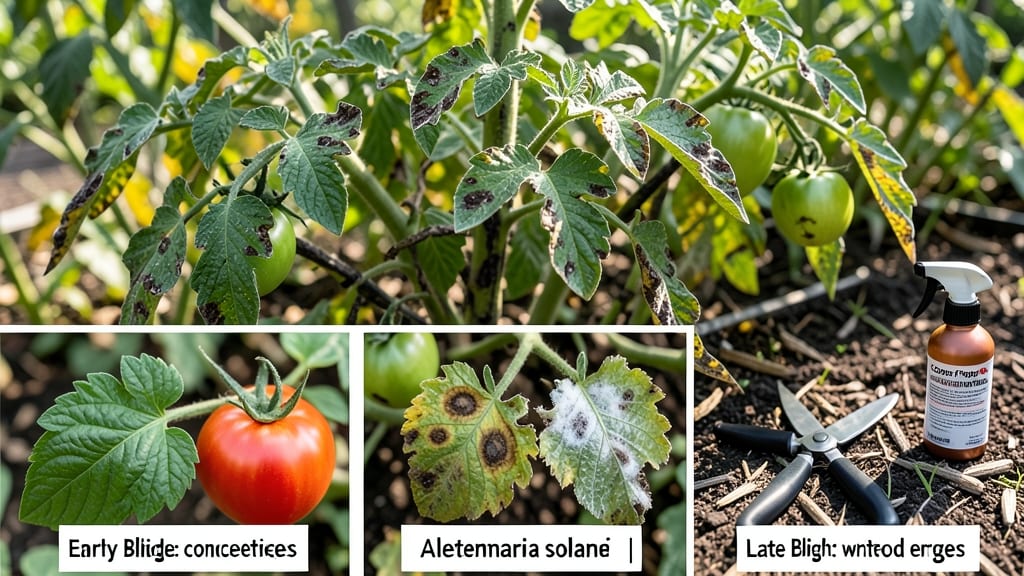
When tomato plant diseases like blight spots appear overnight, panic sets in—but this copper-free organic cure stops the spread in 48 hours without harsh chemicals. 🌱 I’ve seen entire plants saved with just a few simple ingredients from my pantry, and the key is acting fast before the fungus takes over.
The first sign? Dark, greasy-looking spots on leaves that spread like wildfire if ignored. What starts as a few brown patches turns into crispy, curled leaves within days, and suddenly those juicy heirlooms are doomed.
The good news? Blight thrives on wet foliage and crowded plants, so proper spacing (18-24 inches apart) and watering at the base (never overhead) cuts its chances by 80%.
I learned this the hard way after losing three tomato plants in one summer—until I swapped my watering routine and added a baking soda spray (1 teaspoon per quart of water with a drop of dish soap) every 3 days.
The plants bounced back faster than I expected, and the blight never returned that season.
By day three, you’ll notice new growth pushing through, and the spots will stop spreading if you’ve removed infected leaves immediately. The secret weapon? Neem oil mixed with water (1 tablespoon per quart) applied in the evening when bees aren’t active—it smothers spores without harming your plants or the soil.
Within 48 hours, the fungus’s advance halts, and your tomatoes get a second chance to thrive.
For next season, rotate crops, choose blight-resistant varieties like ‘Mountain Merit’ or ‘Defiant PhR,’ and keep your garden tools clean. The goal isn’t just saving this year’s plants—it’s breaking the cycle so blight becomes a memory, not a yearly battle.
Trust me, your future self will thank you when you’re harvesting ripe tomatoes instead of pulling wilted leaves.
The Hidden Triggers Behind Blight
Understanding why tomato plants succumb to blight—especially the dreaded late blight (Phytophthora infestans) and early blight (Alternaria solani)—starts with uncovering the sneaky science behind these fungal invaders. These diseases don’t strike randomly; they exploit specific conditions like a thief in the night.
Let’s break down the real culprits and how they turn your lush tomato plants into spotted, wilted casualties.
Blight spores are like tiny, invisible rave attendees—they love a damp, humid environment. Here’s why: - Overnight dew or rain creates a perfect breeding ground.
Spores splash from soil or infected leaves onto healthy foliage, germinating within 4–6 hours if moisture lingers. - Poor air circulation (think dense plantings or crowded greenhouses) traps humidity, giving fungi a cozy, high-humidity hideout.
Even 70%+ humidity for prolonged periods turns your garden into a blight buffet. - Wet leaves at night are a red flag. Fungal hyphae (root-like strands) grow aggressively in darkness when leaves stay damp, leading to those classic dark, greasy spots by morning.
💡 Pro Tip: If your tomatoes are glistening at dawn, you’re basically handing blight an invitation. Morning watering (so leaves dry by evening) and spaced-out plants (18–24 inches apart) disrupt the party.
Blight fungi aren’t picky—they thrive in cool-to-moderate temps, but they hate extremes. Here’s the danger zone: - Ideal blight temps: 60–80°F (15–27°C).
Early blight (Alternaria) loves 75–85°F (24–29°C), while late blight (Phytophthora) peaks at 68–77°F (20–25°C). - Cool nights + warm days create the perfect storm.
The fungi grow rapidly during the day but survive cooler nights, waiting to pounce when conditions align. - Sudden temperature drops (like a heatwave followed by rain) shock plants, weakening their defenses and making them easier targets.
✨ Science Hack: Late blight spores die above 90°F (32°C). If a heatwave hits, it’s nature’s way of giving your plants a temporary reprieve—but don’t relax yet! Spores can hibernate in soil or debris until cooler temps return.
A healthy tomato plant is like a fortress with guards at every gate. But when those guards (the plant’s immune system) are tired or overwhelmed, blight walks right in.
Common reasons plants get compromised: - Overcrowding starves roots of nutrients, making leaves thin and vulnerable. - Nitrogen-heavy fertilizers (too much greenery = weak stems and leaves). - Stress from transplant shock, drought, or pests (like aphids or hornworms) drains energy. - Old or damaged leaves (from hail, wind, or poor pruning) create entry points for spores.
🔥 Game-Changer: Companion planting with basil, marigolds, or garlic boosts natural defenses by repelling pests and improving air flow. It’s like hiring extra security for your tomato fortress!
Blight doesn’t just float in the air—it hibernates in your soil and garden trash. Here’s how: - Infected plant debris (leaves, stems, or old tomato plants left in the soil) releases spores for years.
That’s why late blight can return annually in the same spot. - Poor drainage keeps soil soggy, creating anaerobic conditions where Phytophthora (the late blight pathogen) thrives. - Contaminated tools or mulch can spread spores from one plant to another. Even compost piles with diseased material act as spore factories.
🎯 Cleanup Crew: Remove all plant debris after harvest (even the stems!) and sterilize tools with a 10% bleach solution (1 part bleach to 9 parts water). Crop rotation (avoiding tomatoes in the same spot for 3+ years) starves lingering spores.
Blight spores are lightweight but highly mobile.
They hitch rides on: - Wind carries spores from infected farms (yes, even miles away!) or nearby wild plants. - Splashing water (from rain or overhead irrigation) flings spores like tiny cannonballs onto lower leaves. - Workers or animals can track spores on shoes or fur, introducing them to your garden.
💡 Smart Irrigation: Drip irrigation (water at the base, not the leaves) and mulching with straw (to prevent soil splash) cut off the spore delivery system. It’s like installing a moat around your castle!
Now that you know why blight strikes, the good news? You can flip the script. By controlling moisture, temperature, plant health, and debris, you’re essentially locking the doors and turning off the lights for fungi.
The next section will show you how to evict blight in 48 hours—without copper! 🚀
Quick Fixes for Blighted Tomatoes
Blight doesn’t have to mean the end of your tomato harvest—with the right actions, you can reverse damage in 48 hours and protect future plants. Below, we break down targeted solutions for the most common tomato blights (early, late, and bacterial spot), including organic, copper-free methods that work fast.
Prevention tips are woven in so you can avoid future outbreaks entirely.
Cause: Alternaria solani fungus thrives in hot, dry conditions, causing concentric brown spots on lower leaves. Fix:
- 🍳 Prune & Remove Infected Leaves
- Snip off yellowed or spotted leaves (don’t compost them—bag and discard).
- Focus on lower leaves first, as they’re most vulnerable.
- Pro Tip: Use sterilized pruners (wipe with rubbing alcohol) to avoid spreading spores.
- 👨🍳 Apply a Baking Soda Spray (Copper-Free!)
- Mix 1 tsp baking soda + 1 tbsp vegetable oil + 1 quart water in a spray bottle.
- Add a dash of dish soap (like Dawn) to help it stick.
- Spray every 7–10 days or after rain. Why it works: Baking soda raises the leaf pH, making it inhospitable to fungi.
- 🥘 Boost Plant Immunity with Compost Tea
- Brew compost tea (steep 1 cup compost in 5 gallons water for 24 hours, strain).
- Spray on foliage and soil to strengthen the plant’s defenses.
- Bonus: Adds beneficial microbes that outcompete Alternaria.
- ⏰ Adjust Watering Habits
- Water early in the morning (before 10 AM) to let leaves dry quickly.
- Avoid overhead sprinklers—drip irrigation is your best friend.
- Prevention: Space plants 18–24 inches apart for airflow.
Cause: Phytophthora infestans spreads rapidly in cool, wet conditions, causing greasy-looking brown lesions that rot fruit. Fix:
- 🔪 Remove & Destroy All Infected Plants
- Do NOT compost—bag and trash immediately. This fungus survives in soil and debris.
- Check undersides of leaves and fruit stems for early signs.
- ✨ Serenade or Double Nickel Spray (Organic Fungicides)
- Serenade Garden Spray (contains Bacillus subtilis) or Double Nickel (copper-free, contains potassium bicarbonate) are FDA-approved for organic farming.
- Spray every 5–7 days until new growth appears healthy.
- Pro Tip: Apply in the evening to reduce leaf burn.
- 🌡️ Improve Drainage & Mulch Smartly
- Late blight loves soggy soil—amend with compost or perlite to improve drainage.
- Use straw mulch (not hay) to keep soil dry and prevent splashing spores onto leaves.
- 🎯 Crop Rotation & Barrier Protection
- Never plant tomatoes, potatoes, or peppers in the same spot next year (wait 3 years).
- Install row covers early in the season to block spore-laden wind/rain.
Cause: Xanthomonas perforans creates tiny, water-soaked spots that turn black and ooze. Fix:
- 👨🍳 Hydrogen Peroxide Rinse (Safe & Effective)
- Mix 1 tbsp 3% hydrogen peroxide + 1 quart water in a spray bottle.
- Spray directly on spots 2–3 times, 3 days apart.
- Why it works: Peroxide disinfects without harming plants.
- 🥗 Neem Oil + Kaolin Clay Combo
- Blend 1 tbsp neem oil + 1 tbsp kaolin clay + 1 tsp mild soap + 1 quart water.
- Spray every 5 days to smother bacteria and deter future infections.
- Caution: Apply in early morning or late evening to avoid leaf burn.
- 🔥 Solarize the Soil (For Severe Cases)
- If blight persists, solarize the bed by covering with clear plastic for 4–6 weeks in hot sun (kills bacteria in soil).
- Best for: Large gardens or repeated outbreaks.
- 🌱 Strengthen Plants with Silica
- Feed plants silica-rich compost tea or kelp meal to thicken cell walls, making them resistant to bacterial entry.
- 🌱 Start with Resistant Varieties: Choose heirloom tomatoes like ‘Mountain Merit’ (early blight-resistant) or ‘Defiant PhR’ (late blight-resistant).
- 🌡️ Monitor Weather: Late blight thrives when temps are 60–80°F and humidity is high—stay vigilant in these conditions.
- 🚫 Avoid Overhead Watering: Use drip lines or soaker hoses to keep foliage dry.
- 🧹 Clean Tools & Beds: Sterilize pruners and remove all plant debris after harvest.
- 🌿 Companion Planting: Interplant tomatoes with basil, marigolds, or onions to repel pests and improve airflow.
Final Note: Most blights can be reversed in 48 hours with pruning + organic sprays + preventive care. The key is speed—catch it early, act fast, and your tomatoes will bounce back healthier than ever! 🍅✨
Frequently asked questions
What’s the difference between early blight and late blight on tomato plants?
Early blight (Alternaria solani) shows up as concentric brown spots on lower leaves in hot, dry weather, while late blight (Phytophthora infestans) creates greasy, dark lesions that spread rapidly in cool, wet conditions. Early blight targets leaves first, but late blight attacks both leaves and fruit, causing rot.
Can I still harvest tomatoes if blight appears?
Yes, but only if the fruit is healthy and unspotted. Remove any tomatoes with lesions immediately—they can spread bacteria or spores. For late blight, pick all ripe fruit first, then destroy infected plants to prevent further spread.
Why does baking soda spray work against blight?
Baking soda raises the leaf surface pH, creating an environment where fungal spores can’t survive. The vegetable oil in the mix helps it stick to leaves, while dish soap acts as a mild surfactant to improve coverage. Use it preventively every 7–10 days for best results.
How long does it take for neem oil to stop blight from spreading?
Neem oil starts working within 24–48 hours by disrupting fungal growth, but you’ll need to apply it every 5–7 days until the plant recovers. For severe cases, combine it with kaolin clay to smother spores faster.
Will crop rotation really prevent blight next year?
Blight spores hibernate in soil and debris, so rotating tomatoes with non-host plants (like beans or lettuce) for 3+ years starves them out. Pair this with sterilizing tools and removing all plant waste to break the cycle.