
Planting
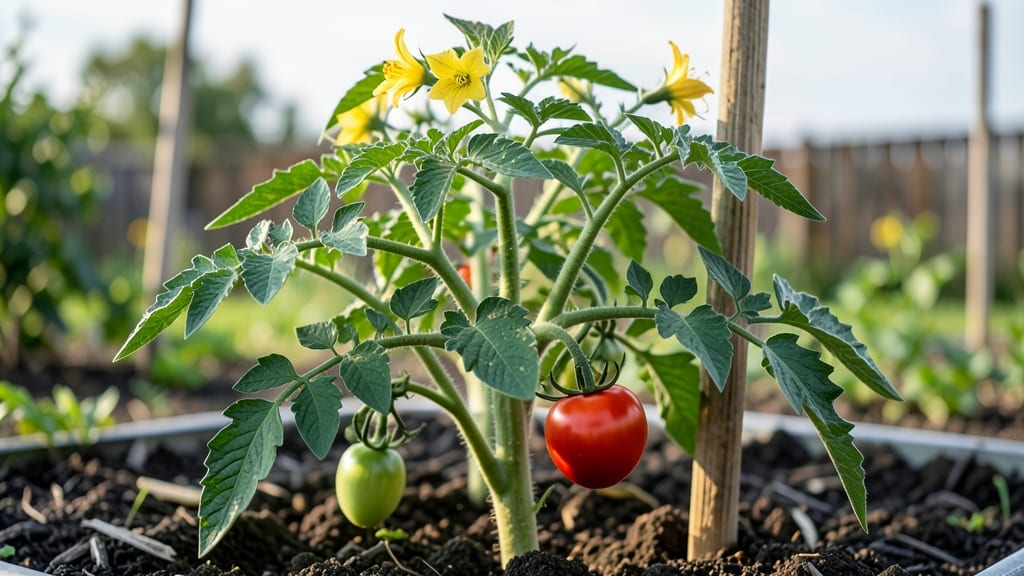
A healthy tomato plant starts with three simple secrets that turn floppy, leaf-molting vines into powerhouses producing fruit until frost. 🌱 I’ve watched my own plants go from sad seedlings to bustling bushes by focusing on just these three areas—soil, water, and airflow—without any fancy equipment.
The first rule is never letting the soil dry out completely, but also not drowning the roots. My plants now thrive with deep watering twice a week (more in heatwaves) and mulch that keeps moisture locked in while preventing soil-borne diseases.
The difference between a thriving plant and a struggling one often comes down to this balance—no guesswork, just consistency.
You’ll know you’re on the right track when your plant has dark green, slightly waxy leaves, strong stems that don’t snap when you gently tug, and flowers that drop off after a few days (a sign they’re setting fruit).
Prune suckers weekly to keep energy flowing upward, and you’ll see vibrant growth and heavier yields within weeks. This method works for container gardens, raised beds, or in-ground plots—no matter your setup. The key is paying attention to the plant’s signals, not just following a schedule.
Let’s get those tomatoes growing strong!
📚 In This Guide
- What you need
- Instructions
- Tips and common mistakes
- Wrapping up and next steps
What you need
- ● Tomato seeds or seedlings: Choose disease-resistant varieties like Early Girl, Cherry Roma, or Beefsteak. (1–3 plants per container or 12–24 seeds for direct sowing.)
- ● Containers or garden bed: Containers: 5-gallon pots (minimum) with drainage holes (1 per plant).
- ● Garden bed: Well-draining soil, 18–24 inches deep, with full sun (6+ hours/day).
- ● High-quality potting mix: Lightweight, sterile mix with compost (e.g., Miracle-Gro Moisture Control or homemade blend of 60% compost, 30% peat moss, 10% perlite).
- ● Fertilizer: Balanced fertilizer: 10-10-10 or 5-5-5 (start with 1 tbsp per plant at transplanting).
- ● Organic option: Composted manure or worm castings (½ cup per plant).
- ● Stakes or cages: 6–8 ft tall (1 per plant for indeterminate varieties; 4–5 ft for determinate).
- ● Watering can or hose: With a gentle spray nozzle (avoid overhead watering).
- ● Pruning shears: Sharp, clean pair for trimming suckers and dead leaves.
- ● Mulch: Straw or shredded leaves (2–3 inches thick) to retain moisture.
- ● Grow lights: LED full-spectrum lights (for indoor or early-season growth).
- ● pH test kit: To check soil pH (ideal: 6.0–6.8).
- ● Plant supports: Trellis or tomato clips for extra stability.
- ● Drip irrigation system: For consistent moisture (especially in hot climates).
- ● Neem oil or copper fungicide: Preventative care for pests/diseases.
Step-by-Step instructions for cultivating a healthy tomato plant
Here's how I keep my tomato plants thriving year-round—no complicated tricks, just smart care.
🌱 Step 1: Start With Proper Soil and Light
Tomatoes need well-draining, nutrient-rich soil with a pH between 6.2-6.8. I always mix my garden soil with aged compost (about 25% compost to 75% soil) to improve drainage and fertility. Never use fresh manure—it burns roots and invites disease. Test your soil first if you're unsure; a simple pH test kit works great.
Position your plants in full sun (at least 6-8 hours daily). If growing indoors, use a grow light positioned 2-4 inches above the plants for 14-16 hours per day. Without enough light, stems stretch weakly and leaves pale out—a sure sign of legginess. Watch for this: strong plants have thick stems and deep green leaves with compact spacing between them.
💧 Step 2: Water Deeply and Consistently
Water at the base of the plant in the morning to prevent fungal diseases. Aim for 1-1.5 inches of water per week, adjusting for heat or drought. Let the top 2 inches of soil dry out between waterings—this encourages deep root growth. Overwatering leads to blossom-end rot (blackened bottoms on fruit), so never let soil stay soggy.
Use drip irrigation or a soaker hose to deliver water slowly at the roots. Avoid overhead watering, which spreads disease spores. I check moisture by sticking my finger 1-2 inches deep—if it feels dry, it's time to water. Mulch with 2-3 inches of straw to retain moisture and keep roots cool.
✂️ Step 3: Prune and Support for Maximum Health
Prune suckers (the small shoots that grow between the stem and branches) weekly to direct energy to fruit production. Use clean, sharp pruners and cut at a 45-degree angle just above a leaf node. Never leave stubs—this invites disease. Strong pruning also improves airflow, reducing the risk of early blight (brown spots on lower leaves).
Stake or cage plants as soon as they're 6 inches tall to prevent sprawling. I use 6-foot bamboo stakes tied with soft plant ties, adjusting as the plant grows. Without support, stems snap under heavy fruit loads. Watch for yellowing leaves—this often signals poor support or overcrowding. Prune lower leaves that touch the soil to prevent rot.
☀️ Step 4: Feed and Protect Through the Season
Fertilize every 3-4 weeks with a balanced tomato fertilizer (10-10-10 or 5-10-10). I mix 1 tablespoon per plant into the soil at watering time. Avoid high-nitrogen fertilizers—they promote leafy growth at the expense of fruit. Look for pale leaves or stunted growth as signs of nutrient deficiency.
Protect plants from pests like hornworms and aphids with neem oil spray (mix 1 tablespoon per quart of water) or row covers for early-season protection. Remove damaged leaves immediately to prevent disease spread. In late summer, reduce water slightly to 1 inch per week to improve fruit flavor and prevent cracking.
Tips & tricks for cultivating a healthy tomato plant
Between us, these small adjustments will make all the difference in your tomato plant's vigor—and your harvest.
Soil and Light Secret: For Step 1, don't just test soil pH—also check moisture retention. Press a handful of your soil mix: it should hold together but crumble easily when tapped. Too sandy? Add another 5% compost. Too clay-heavy? Mix in perlite to improve aeration. And that 6-8 hours of sunlight? Use a sun calculator app to track actual sunlight hours in your location—some areas get less direct sun than you'd expect.
Watering Wisdom: In Step 2, the 1-1.5 inches weekly water guideline works best for established plants, but seedlings need different care. Water them daily with just ¼ inch at a time until they're 6 inches tall—this prevents transplant shock. For mature plants, consider a moisture meter ($20 at garden stores) to verify when that 1-2 inch soil depth is truly dry. Overwatering is the #1 cause of blossom-end rot, so when in doubt, wait one more day.
Pruning Precision: That weekly sucker removal in Step 3 isn't just about fruit production—it's about plant health. Cut suckers when they're pencil-sized (about 2 inches long), not when they've grown into thick stems. And here's what nobody tells you: if your plant develops more than 3 main stems, prune back to 2. The extra energy goes into fewer, larger tomatoes with better flavor. Use sterilized pruners between cuts to prevent spreading disease.
Fertilizer Timing: The 3-4 week feeding schedule in Step 4 assumes you're using a balanced fertilizer, but tomato plants have different needs at different stages. Start with half-strength fertilizer when you first transplant, then switch to full strength after flowering begins. And that 1 tablespoon per plant? For indeterminate varieties (the vining types), increase to 1.5 tablespoons once fruit sets—those heavy tomatoes demand more nutrients.
Pro Tips for Healthy Tomato Plant
- Between us, these small adjustments will make all the difference in your tomato plant's vigor—and your harvest.
- Soil and Light Secret: For Step 1, don't just test soil pH—also check moisture retention.
- Watering Wisdom: In Step 2, the 1-1.5 inches weekly water guideline works best for established plants, but seedlings need different care.
Frequently asked questions
Got questions about keeping your tomato plants thriving? You’re not alone! Here are some of the most common queries—plus quick, actionable answers to keep your garden bursting with healthy, productive plants.
How often should I water my tomato plants to keep them healthy?
Water your tomato plants deeply 1–2 times per week, aiming for about 1–2 inches of water per session. Consistency is key! Let the top 1–2 inches of soil dry out between waterings to prevent root rot, but avoid letting the soil become bone-dry. Mulch around the base to retain moisture and regulate soil temperature.
When is the best time to transplant tomato seedlings outdoors?
Wait until after the last frost and when nighttime temperatures stay above 50°F (10°C). Tomatoes are frost-sensitive, so rushing them can stunt growth. Harden off seedlings (acclimate them to outdoor conditions) for 7–10 days before transplanting, and plant them in the ground in the late afternoon to reduce stress.
What are the most common pests that attack tomato plants, and how do I prevent them?
Watch for hornworms, aphids, and whiteflies—they can devour leaves and fruit overnight! Prevent pests naturally by:
- Handpick large pests like hornworms (check leaves daily!).
- Use row covers early in the season to block flying insects.
- Spray with neem oil or insecticidal soap for aphids/whiteflies.
- Encourage beneficial predators like ladybugs and lacewings.
Why are my tomato leaves turning yellow, and how can I fix it?
Yellow leaves usually signal overwatering, nutrient deficiency, or disease. Check the roots: soggy soil = root rot (cut back on watering). For nutrient issues, amend soil with compost or use a balanced fertilizer (like 10-10-10). If spots or wilting appear, it could be early blight or septoria leaf spot—remove affected leaves and apply copper fungicide preventatively.
Can I grow tomatoes in containers, and what’s the best setup?
Tomatoes thrive in containers if you choose dwarf or determinate varieties (like ‘Patio’ or ‘Tiny Tim’) and use pots at least 5 gallons in size. Ensure pots have drainage holes, use lightweight potting mix, and place them in a spot with 6+ hours of sunlight daily. Pro tip: Stake or cage plants early to support growth!
Wrapping up and next steps
A healthy tomato plant thrives on consistent care, patience, and a little know-how—and you’ve got all three! 🌱 By mastering light, soil, and watering, you’re well on your way to a bountiful harvest year-round.
Remember, even the greenest thumbs started somewhere, so don’t hesitate to experiment and learn along the way.
Ready to put your new skills into action? Start with just one plant—whether it’s a seedling or a small transplant—and watch your confidence (and tomatoes!) grow. Happy gardening! 🍅✨