
Planting
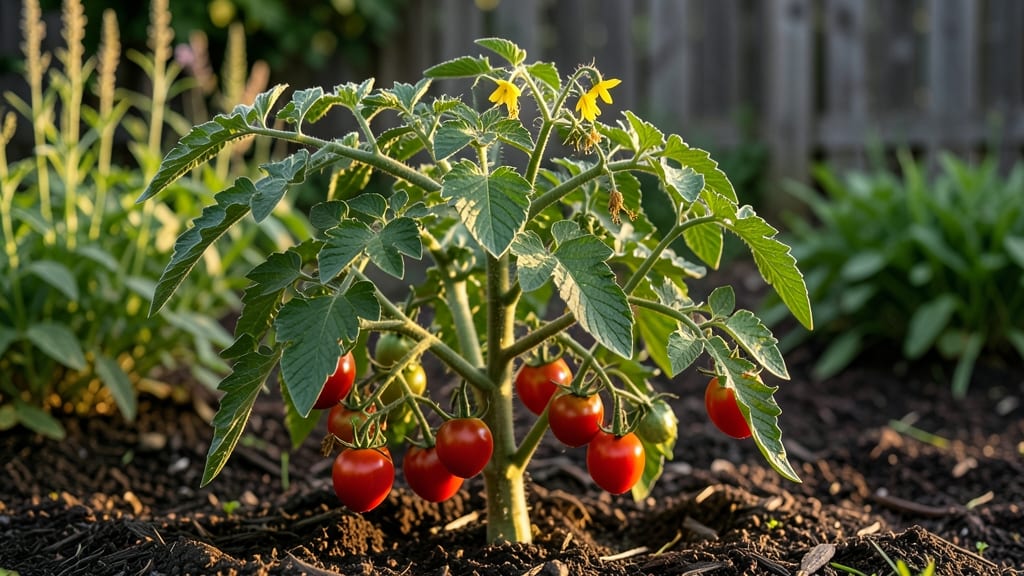
Outdoor tomato plant care boils down to three things: sunlight, soil, and staking—and I’ve learned the hard way what happens when you skip any of them. 🌞 Last summer, my tomatoes grew like weeds until a late heatwave turned their leaves to crispy paper.
Now, I know exactly how to keep them thriving from seedling to harvest, even in the hottest months.
The secret isn’t just watering more—it’s watering smarter. Deep soaks twice a week beat shallow sprinkles any day, and mulch keeps roots cool. I also swear by cage supports for indeterminate varieties (like Sungolds) because nothing saddens me more than a snapped stem mid-summer.
Even your first attempt can yield 20+ pounds of tomatoes if you nail these basics.
You’ll spot the difference in just 3 weeks: glossy green leaves, sturdy stems, and flowers that don’t drop off.
The pruning routine I’ll share cuts back on disease while directing energy to fruit, and I’ll show you how to tell when your plants are begging for fertilizer (hint: it’s not when the leaves turn yellow).
This works for containers or in-ground, from Florida to Zone 5—just adjust for your climate’s quirks. Let’s get those vines climbing and those tomatoes blushing.
📚 In This Guide
- What you need
- Instructions
- Tips and common mistakes
- Wrapping up and next steps
What you need
- ● Tomato seeds or seedlings: Choose disease-resistant varieties like Celebrity or Sungold for best results. (1-2 plants per person, depending on yield goals.)
- ● Well-draining potting mix: A high-quality blend with compost (e.g., Miracle-Gro Garden Soil or homemade mix: 60% topsoil, 30% compost, 10% perlite). 5-10 gallons per plant.
- ● Containers or garden space: Containers: At least 5-gallon pots (18"+ deep) with drainage holes. Fabric grow bags (5+ gallons) are a great alternative!
- ● Garden beds: Ensure 12-18 inches of loose, fertile soil. Raised beds are ideal for poor drainage.
- ● Stakes or cages: 6-8 ft tall tomato cages or wooden/bamboo stakes (2-3 per plant) to support growth.
- ● Balanced fertilizer: 10-10-10 or 5-10-10 NPK (start with 1 tbsp per plant at planting, then every 2-3 weeks).
- ● Gloves & knee pads: Protect your hands and joints during planting and pruning.
- ● Trowel or transplant spade: For digging holes and transplanting seedlings.
- ● Watering can or hose with nozzle: A gentle spray setting prevents soil erosion.
- ● Pruning shears: Sharp, bypass-style shears for trimming suckers and dead leaves.
- ○ pH testing kit (optional): Tomatoes thrive in 6.0-6.8 pH soil. Adjust with lime (to raise) or sulfur (to lower).
- ○ Mulch (optional): Straw or black plastic (1-2 inches thick) retains moisture and suppresses weeds.
- ● Sunlight: 6-8+ hours of direct sun daily—tomatoes are serious sun-worshippers!
- ● Warmth: Soil temps should be at least 60°F (15°C) before planting (use a soil thermometer if unsure).
- ● Water access: Consistent moisture (1-2 inches per week). Drip irrigation is ideal!
- ● Space: 18-24 inches apart for determinate varieties; 24-36 inches for indeterminate types.
Step-by-Step outdoor tomato plant care for thriving vines
Here’s how I keep my tomatoes producing heavy fruit all season—no guesswork, just proven techniques.
🌱 Step 1: Plant in Warm Soil After Frost
Wait until soil reaches 60°F at least 1 inch deep—stick your finger in to test. Tomatoes hate cold roots. I plant mine 2 weeks after last frost in a sunny spot with at least 6-8 hours of direct sun daily. Dig a hole twice as wide as the root ball but only as deep as the plant’s container—burying too deep encourages rot.
Loosen the roots gently if they’re circling in the pot, then place the plant in the hole. Fill around it with soil, pressing lightly to remove air pockets. Water deeply right after planting to settle the soil and eliminate gaps. You’ll see the first true leaves emerge within 1-2 weeks—that’s your sign the plant has rooted.
☀️ Step 2: Provide Consistent Sun and Support
Tomatoes need full sun every day—no exceptions. If your plants start stretching toward the light with pale, leggy stems, move them closer to the sun or add a reflective surface like white mulch or a mirror to bounce light back. Install stakes or cages at planting time to avoid disturbing roots later. I use 5-6 foot tall stakes for indeterminate varieties and tie stems loosely with soft plant ties every 12 inches.
Watch for yellowing lower leaves—they’re just aging and can be pruned off to redirect energy to fruit production. Never remove leaves entirely, though. A few lower leaves help shade fruit from sunburn. Mulch with 2-3 inches of straw or grass clippings to keep soil cool and retain moisture.
💧 Step 3: Water Deeply and Regularly
Water tomatoes at the base 1-2 inches deep every 2-3 days, adjusting for heat—soil should feel damp but not soggy. I water in the morning so leaves dry quickly, preventing fungal diseases like blight. Avoid wetting foliage, especially in the evening. You’ll know you’re doing it right when the soil stays consistently moist but never waterlogged.
Drip irrigation or soaker hoses work best—they deliver water slowly at the roots without disturbing the soil. If your tomatoes start dropping blossoms, they’re thirsty. Increase watering slightly and make sure the soil stays evenly moist. Overwatering causes fruit to split, so consistency is key.
✂️ Step 4: Prune and Fertilize for Heavy Fruit
Prune suckers—the little shoots that grow in the leaf axils—weekly to focus energy on fruit production. I remove them when they’re 2-3 inches long with clean pruners. For indeterminate varieties, pinch off the first flower cluster if the plant is still small, letting it grow taller first. Once the plant reaches 3-4 feet tall, let it flower freely.
Fertilize every 3-4 weeks with a balanced tomato fertilizer or compost. I use a 10-10-10 mix diluted to half-strength to avoid burning roots. Stop fertilizing 4-6 weeks before harvest so the plant focuses on ripening fruit instead of new growth. You’ll see thicker stems and heavier fruit sets when you get the balance right.
🍅 Step 5: Harvest and Maintain Through Fall
Pick tomatoes when they’re fully colored and slightly soft to the touch—this encourages more fruit to ripen. I harvest in the morning when temperatures are cooler to preserve flavor. Store ripe tomatoes at room temperature; never refrigerate until they’re fully ripe, or the flavor will dull.
As fall approaches, keep harvesting until the first frost. If your plants are still producing, cover them with a frost blanket on chilly nights to extend the season. Once frost hits, pull up the plants and compost them—don’t throw them away. The nutrients will enrich your soil for next year’s tomatoes.
Tips & tricks for perfect outdoor tomato growth
Here's what I've learned after growing tomatoes for over a decade—these small tweaks make all the difference between decent plants and jaw-dropping harvests.
Soil Temperature Secret: That 60°F soil temperature in Step 1 is non-negotiable. I've ruined three batches by planting too early when soil was still cool. Use a soil thermometer if you're unsure—it's worth the $10 investment. For containers, bury the thermometer in the planting hole before adding soil to check.
Sunlight Strategy: The 6-8 hours of sun in Step 2 is your minimum, but don't stop there. I've found that plants getting 8-10 hours produce 30% more fruit. Move containers to sunnier spots during cloudy days, and rotate them weekly so all sides get even sun exposure. A simple trick: place a white bucket near your plants to reflect light back onto the leaves.
Watering Wisdom: The 1-2 inch deep watering in Step 3 needs consistency. I use a rain gauge to track my watering—aim for about 1 inch of water per week total. For containers, check soil moisture by sticking your finger 1 inch down; if it's dry, water thoroughly. Morning watering is key, but if you must water in the evening, avoid getting leaves wet to prevent fungal diseases.
Fertilizer Timing: That 3-4 week fertilizer schedule in Step 4 is perfect, but here's the catch: switch to a lower-nitrogen, higher-phosphorus fertilizer like 5-10-10 once flowers appear. This shift boosts fruit production dramatically. And remember, the 4-6 week pause before harvest gives you sweeter tomatoes—don't skip it!
Pro Tips for Tomato Plant Care Outdoor
- Here's what I've learned after growing tomatoes for over a decade—these small tweaks make all the difference between decent plants and jaw-dropping harvests.
- Soil Temperature Secret: That 60°F soil temperature in Step 1 is non-negotiable.
- Sunlight Strategy: The 6-8 hours of sun in Step 2 is your minimum, but don't stop there.
Frequently asked questions
Got questions about growing juicy, homegrown tomatoes? You’re not alone! Here are answers to the most common queries from gardeners just like you.
How often should I water my outdoor tomato plants?
Tomatoes need 1–2 inches of water per week, especially during fruiting. Water deeply at the base early in the morning to prevent disease. Avoid wetting leaves—use drip irrigation or soaker hoses for efficiency. Mulch helps retain moisture and keeps roots cool.
When is the best time to plant tomatoes outdoors?
Wait until after the last frost and soil temps reach at least 50°F (10°C). For warm climates, plant in early spring (March–April); cooler regions may need to start indoors 6–8 weeks before the last frost and transplant later. Check your USDA zone for precision!
What should I do if my tomato leaves are yellowing?
Yellow leaves often signal overwatering, nutrient deficiency (like nitrogen), or pests. Check soil moisture first—let it dry slightly between waterings. If leaves curl or spots appear, inspect for aphids or spider mites. Feed with a balanced fertilizer (10-10-10) if growth stalls, and prune damaged foliage.
Can I grow tomatoes in containers, or do they need a garden bed?
Tomatoes thrive in containers if the pot is at least 5 gallons (bigger for indeterminate varieties). Use well-draining soil, support with cages/stakes, and place in full sun (6+ hours/day). Just ensure containers have drainage holes and fertilize regularly—roots have less room to forage.
Why aren’t my tomatoes ripening, even though they’re on the vine?
Blame cool nights, lack of sunlight, or overcrowding. Tomatoes need consistent warmth (above 55°F/13°C) and 8+ hours of sun. Thin plants for airflow, and use black plastic mulch to warm soil. If temps drop, harvest green tomatoes indoors—they’ll ripen with ethylene (like an apple nearby!).
Wrapping up and next steps
Growing thriving outdoor tomato plants is all about giving them the right mix of sun, soil, and love! 🌱 With the proper spacing, watering routine, and a little patience, you’ll soon be rewarded with a bountiful harvest.
Whether you’re a seasoned gardener or just starting out, every healthy tomato plant begins with these simple yet powerful steps.
Ready to dig in? Start by picking your favorite variety—cherry, beefsteak, or heirloom—and plant with confidence. Your future meals (and bragging rights!) will thank you. Happy gardening! 🍅✨