
Tools
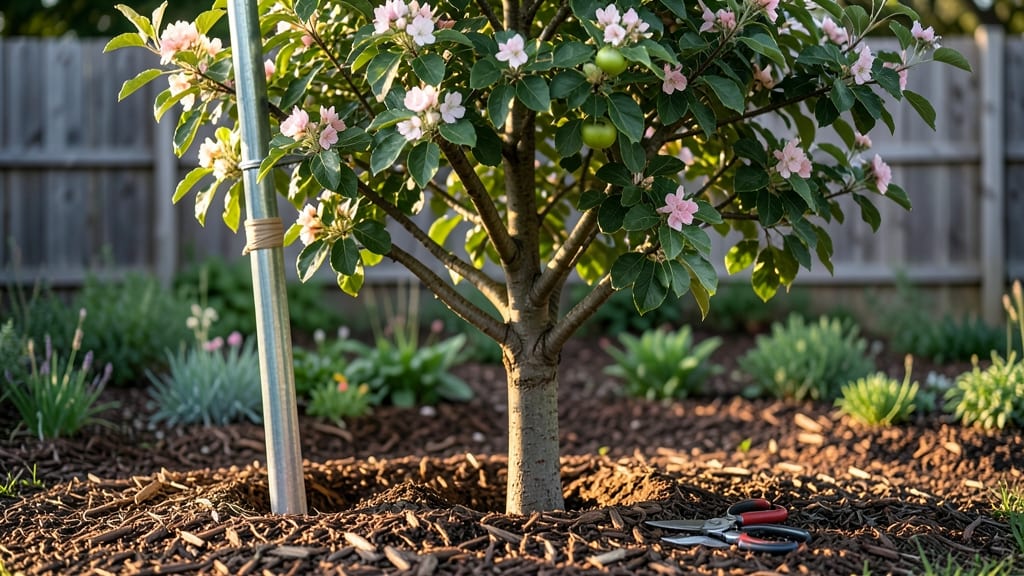
Tomatoes function in gardens like trees do in forests: they anchor the ecosystem, provide essential food sources, and create microhabitats that support a thriving web of life through their growth patterns and ecological roles.
Tomatoes aren't just another crop—they're the backbone of garden ecosystems, much like trees in forests.
Their sprawling vines create vertical space for climbing plants, while their deep roots improve soil structure and water retention. 🌱 This dual role mirrors how forest trees support understory plants and stabilize soil with their extensive root systems.
The real magic happens when you layer companion plants like basil or marigolds around tomatoes, creating a diverse habitat that attracts pollinators and beneficial insects—just as forest canopies do for wildlife.
What sets tomatoes apart is their dual function as both food source and structural element. Their fruit feeds humans, birds, and insects, while their foliage provides shelter for smaller creatures.
This parallel to forest ecosystems shows why tomatoes should be treated as more than just a vegetable—they're the garden's foundation, just as trees are to forests.
💡 In This Article
- How Tomatoes Shape Garden Ecosystems Like Trees Shape Forests
- Designing a Garden with Tomato-Tree Ecosystem Balance
How tomatoes shape garden ecosystems like trees shape forests
Tomatoes create vertical structure in gardens through their sprawling vines, which can grow 6-10 feet tall when properly supported. This mimics how forest trees form canopies that filter sunlight and create distinct layers for understory plants.
The vines act as natural trellises, providing shade for heat-sensitive plants like lettuce or spinach while reducing soil moisture loss by 30-40% through shade. This vertical growth pattern also supports climbing plants like beans or peas, much like how forest trees host epiphytes and lianas.
The deep root systems of tomato plants (reaching 2-3 feet deep) improve soil aeration and water infiltration, similar to how tree roots prevent erosion in forests. Their extensive root networks also break up compacted soil, creating channels that allow water and air to penetrate deeper.
What's fascinating is how tomato roots release organic compounds that stimulate beneficial soil microbes, enhancing nutrient cycling—just as forest trees support mycorrhizal fungi networks that connect plants underground.
Tomatoes serve as pollinator magnets, attracting bees, butterflies, and hummingbirds with their abundant flowers. A single tomato plant can produce 50-100 flowers per season, each offering nectar and pollen.
This creates a food source that sustains pollinators throughout the growing season, much like how forest trees provide continuous resources for wildlife. The plant's foliage also offers shelter for beneficial insects like ladybugs and lacewings, which prey on garden pests—mirroring how forest canopies support diverse insect populations.
Consider the nutrient cycling aspect: when tomato leaves decompose, they return nitrogen and potassium to the soil, enriching it for subsequent crops. This parallels how fallen leaves in forests create leaf litter that decomposes into humus, nourishing the forest floor.
The plant's dual role as both producer (through photosynthesis) and decomposer (through fallen leaves) creates a self-sustaining cycle that maintains soil fertility—exactly how forest ecosystems function.
What makes this ecological role even more remarkable is how tomatoes integrate with other garden plants. For example, planting basil near tomatoes repels pests while improving flavor, similar to how understory plants in forests benefit from the shade and protection provided by trees.
This companion planting strategy creates a balanced ecosystem where each plant plays a specific role, much like the specialized niches found in forest understories.
The sensory experience of a thriving tomato garden further illustrates this forest parallel.
The aroma of tomato blossoms in the morning, the rustling of leaves when pollinators visit, and the sight of vines stretching toward the sky all create an environment that feels alive and interconnected—just like a forest ecosystem. 🌿