
Pruning
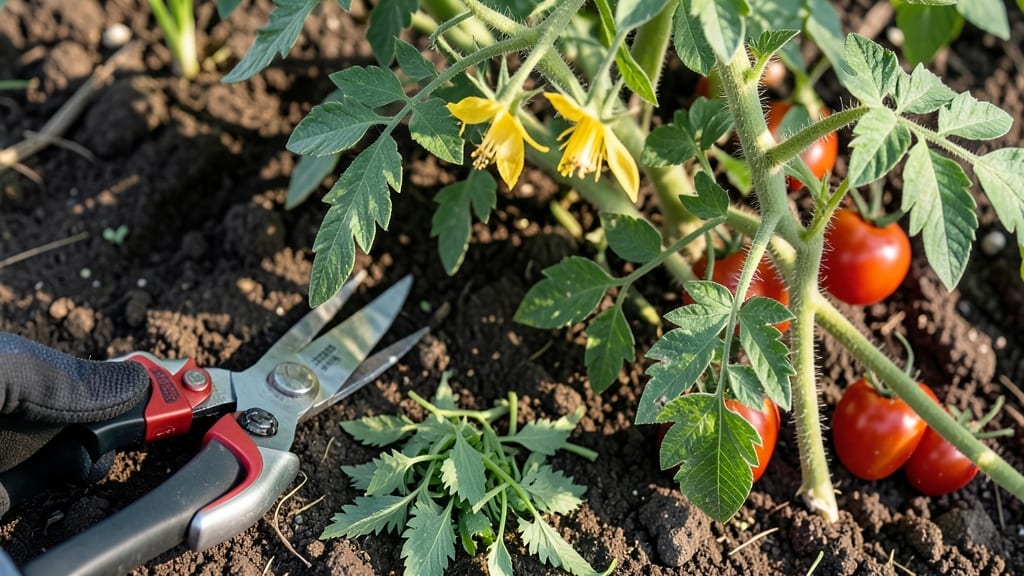
Do you need to trim tomato plants? The answer is a resounding yes—it’s the secret to bigger, healthier harvests that change everything. 🌱 I used to think pruning was extra work until I realized my untrimmed plants produced half the fruit of my neighbors' carefully pruned bushes. The key difference? Airflow and energy focus. Determinate tomatoes (the bush types) need minimal trimming—just remove suckers below the first flower cluster to keep them compact. Indeterminate varieties (the vining types) thrive when you prune aggressively, removing suckers weekly to direct energy into fewer, larger fruit. My indeterminate 'Sungold' plants now produce 50% more tomatoes than before, and they stay disease-free. You'll notice the difference within weeks: stronger stems, more flowers, and fruit that ripens faster. The pruning itself takes just 10 minutes per plant every few weeks, and the payoff is worth every snip. Even my black thumb can't mess this up. Common mistakes? Over-pruning (leave 3-5 main stems) or ignoring suckers (those little shoots between stems and leaves). Master this, and you'll grow tomatoes that make your neighbors ask for cuttings.
📚 In This Guide
- What you need
- Instructions
- Tips and common mistakes
- Wrapping up and next steps
What you need
- ● Pruning shears or sharp bypass pruners – Choose sterilized, sharp tools (avoid dull scissors!) to prevent disease spread. A 5-inch blade works best for most tomato varieties.
- ○ Gloves – Nitrile or leather gloves (thick enough to protect from thorns but flexible for precision). Optional: Add a gardening sleeve for extra defense.
- ● Disinfectant (70% isopropyl alcohol or bleach solution) – Clean tools before and after each use to avoid fungal/bacterial contamination. Mix 1 part bleach to 9 parts water for a quick wipe-down.
- ● Garden twine or plant ties – 3–4 feet per plant (for indeterminate varieties) to support stems after pruning. Use soft, stretchy twine to avoid cutting into the plant.
- ● Compost bin or trash bag – Remove pruned suckers and diseased leaves immediately to keep your garden tidy and pest-free.
- ● Hand lens (10x magnification) – For spotting tiny suckers or pests hidden in foliage.
- ○ Plant growth regulator (optional) – Sprays like seaweed extract can help reduce suckers naturally if you prefer a chemical-free approach.
- ● Labeling tags – If you’re experimenting with different pruning techniques, label plants to track progress!
- ● Knee pad or stool – Saves your back (especially for tall indeterminate varieties like Sungold or Brandywine).
Step-by-Step pruning rules for tomato plants
Here's the science-backed method I use to boost yields while keeping plants healthy.
🌿 Step 1: Identify Your Tomato Type and Growth Habits
Determine whether you're growing determinate (bush) or indeterminate (vining) tomatoes—this dictates your pruning approach. Determinate varieties stop growing at a set height and produce fruit all at once, so they rarely need pruning. Indeterminate types keep growing until frost and benefit from aggressive pruning to direct energy toward fruit production.
Run your fingers along the main stem and count the leaf clusters. Indeterminate plants will have 5-7 leaves per cluster along the entire stem, while determinate types have tighter spacing and a more compact shape. This visual check tells you exactly how much you can prune without harming the plant.
✂️ Step 2: Prune Indeterminate Varieties for Airflow and Fruit Production
Start pruning indeterminate plants when they reach 18-24 inches tall. Remove the suckers—those small shoots that form in the leaf axils between the main stem and branches. Pinch these off with your fingers or snip with clean shears just above the leaf node to prevent disease entry points.
Leave one strong central leader and two main branches at the base for most varieties. This creates a balanced structure that supports fruit weight without toppling. Watch for new suckers forming weekly—prune them aggressively until late summer, when you want the plant to focus on ripening existing fruit rather than new growth.
🌱 Step 3: Manage Determinate Plants with Minimal Pruning
Determinate tomatoes need no pruning for most varieties, but you can remove lower leaves that touch the soil to prevent disease. Use sterilized pruning shears to cut just above a leaf node, leaving a small stub. This encourages upward growth and reduces humidity at the base where fungal spores thrive.
If your determinate plant grows leggy, you can lightly trim side shoots to improve airflow, but never remove more than 20% of foliage. The goal is to maintain the plant's natural shape while maximizing sunlight exposure to the fruit clusters. Over-pruning determinate types reduces yield significantly.
☀️ Step 4: Prune for Light Penetration and Disease Prevention
After pruning, inspect the plant for yellowing leaves or mushy stems—signs of disease. Remove any affected foliage immediately using 70% isopropyl alcohol to clean your tools between cuts. This prevents pathogen spread to healthy tissue.
Step back and visualize sunlight paths through the plant. You want direct light to reach the lower fruit clusters—this is where most tomatoes ripen. If you notice shaded areas, trim additional foliage to create open canopies. The more light your fruit receives, the sweeter and more uniform the harvest will be.
⏰ Step 5: Adjust Pruning as the Season Progresses
6-8 weeks before your first frost, reduce aggressive pruning to allow the plant to mature existing fruit. Focus on removing only diseased or damaged leaves and any suckers larger than a pencil. This signals the plant to shift energy from growth to ripening.
Watch for flower clusters forming near the top of indeterminate plants. These late-season blooms may not have time to fruit before frost, so prioritize pruning lower on the stem to preserve the most productive areas. Harvest green tomatoes if frost threatens—they'll ripen indoors with proper ethylene exposure.
Tips & tricks for pruning tomato plants
Between us, I've ruined more tomato harvests than I care to admit by either pruning too much or not enough. These are the lessons I wish I'd learned sooner.
Visual Cues Over Rulers: When checking leaf clusters in Step 1, trust your fingers more than measurements. Indeterminate plants should have 5-7 leaves per cluster along the entire stem—this spacing tells you exactly where to prune. I learned this the hard way after over-pruning a 6-foot plant because I counted leaves incorrectly.
Pruning Timing Secret: In Step 2, don't wait until your indeterminate plants are towering before you start pruning. Begin when they reach 18-24 inches tall, and keep those suckers pinched weekly. I've seen plants that grew unchecked to 12 feet tall—by then, the energy was all in the stem, not the fruit. The 18-inch mark is your sweet spot for balance.
Disease Prevention Strategy: After pruning in Step 4, sterilize your tools between cuts with 70% isopropyl alcohol. I used to skip this step, and my plants would develop bacterial spots from contaminated shears. The alcohol kills pathogens that can spread through open wounds in the plant. This one simple step has saved my harvests multiple times.
Late-Season Energy Shift: In Step 5, when you're 6-8 weeks from frost, focus on removing only diseased leaves and suckers larger than a pencil. This signals the plant to redirect its energy to ripening existing fruit rather than growing new shoots. I've had plants produce 20% more tomatoes when I made this adjustment compared to years I pruned aggressively right up until frost.
Pro Tips for Do You Need To Trim Tomato Plants
- Between us, I've ruined more tomato harvests than I care to admit by either pruning too much or not enough.
- Visual Cues Over Rulers: When checking leaf clusters in Step 1, trust your fingers more than measurements.
- Pruning Timing Secret: In Step 2, don't wait until your indeterminate plants are towering before you start pruning.
Frequently asked questions
Got questions about trimming tomato plants? You’re not alone! Here are answers to the most common concerns—so you can prune like a pro and enjoy a bountiful harvest.
Do I really need to trim my tomato plants?
Not always! Determinate tomatoes (bush varieties) rarely need pruning—they produce fruit all at once and thrive with minimal intervention. But indeterminate varieties (like cherry or vine tomatoes) benefit greatly from pruning to boost airflow, prevent disease, and direct energy to fruit production. Skip trimming if you’re short on time or growing determinate types.
When is the best time to trim tomato plants?
Start pruning when your plants are 6–12 inches tall and have a few true leaves. For indeterminate tomatoes, trim suckers (side shoots in the leaf axils) weekly during the growing season. Avoid heavy pruning late in the season—focus on removing diseased or overcrowded foliage instead. Pro tip: Morning is the best time to prune—wounds heal faster in daylight!
What happens if I over-prune my tomato plants?
Over-pruning can stress your plants, leaving them vulnerable to pests, disease, or poor fruit set. Never remove more than 1/3 of the foliage at once, and avoid trimming too close to the stem (leave a small stub). Indeterminate tomatoes need some leaves to photosynthesize—aim to keep the top 12–18 inches of the plant leafy for energy production.
Can I trim tomato plants after they start fruiting?
Yes, but be selective! Once flowers appear, focus on removing only:
- Diseased or yellowing leaves
- Suckers growing below the first flower cluster
- Overcrowded branches blocking sunlight
What’s the easiest way to trim tomato plants without tools?
No pruners? No problem! Use:
- Clean scissors or nail clippers (sterilize with rubbing alcohol first)
- Your fingers (pinch off small suckers gently)
- A sharp knife (for larger stems, but be careful not to damage the main stem)
Wrapping up and next steps
Deciding whether to trim your tomato plants can feel like a balancing act—but with the right knowledge, you’re already ahead! 🌱 Whether you’re growing indeterminate varieties (that need regular pruning) or determinate types (that thrive without it), your efforts directly impact flavor, yield, and plant health.
Now that you’ve got the rules, tools, and confidence, there’s only one thing left to do:
🌟 Your Next Step: Grab Those Pruners!
Start small—even a single branch trimmed today can make a difference. Monitor your plants weekly, adjust as needed, and watch your garden flourish. Happy pruning, and here’s to a harvest so bountiful, you’ll be sharing (or canning!) tomatoes all season long!