
How To
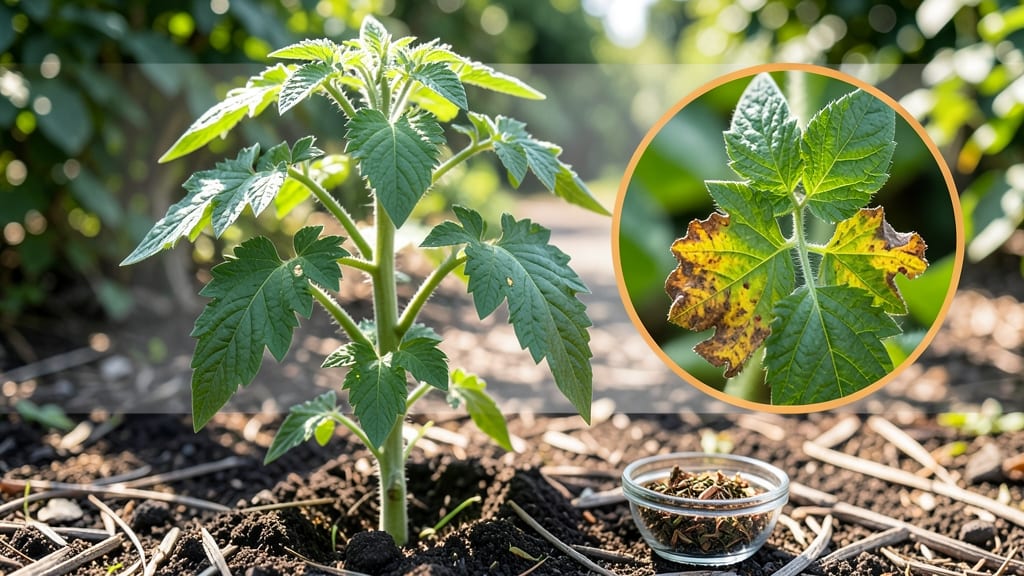
Tomato leaves are toxic when ingested in large amounts, containing solanine and other glycoalkaloids that can cause nausea, vomiting, or neurological symptoms in humans and pets. Handling them safely minimizes risk, especially for children and animals.
Tomato leaves contain natural toxins like solanine, which are concentrated in the green parts of the plant. 🌱 While the fruit itself is safe to eat, consuming large quantities of leaves can trigger digestive upset or even neurological effects in sensitive individuals.
The key risk factors include accidental ingestion by pets or children and improper disposal methods that leave toxic debris accessible. I always recommend wearing gloves when handling tomato plants and rinsing hands thoroughly afterward to prevent accidental transfer of these compounds.
Even small amounts can be problematic for pets, whose smaller body weight makes them more vulnerable to toxin exposure. 🐾 For gardeners, safe disposal is critical—never compost tomato leaves or use them as mulch near edible plants, as the toxins can leach into the soil.
Instead, bag the leaves in sealed containers and dispose of them in household trash to prevent contamination of your garden ecosystem.
💡 In This Article
- Toxic Compounds in Tomato Leaves: Solanine and Glycoalkaloids Explained
- Safe Handling and Removal of Tomato Plant Debris
Toxic compounds in tomato leaves: solanine and glycoalkaloids explained
The toxicity in tomato leaves stems primarily from solanine, a glycoalkaloid compound that acts as a natural defense mechanism for the plant.
Solanine concentrations are highest in green, unripe parts of the tomato plant—including leaves, stems, and immature fruits—with levels typically ranging from 10-50 milligrams per 100 grams of plant material.
For comparison, a single tomato leaf might contain about 2-5 milligrams, which is relatively low but can accumulate in large ingestions. 🌿
Solanine works by disrupting cellular processes, particularly in the nervous system and digestive tract. When consumed, it binds to acetylcholine receptors in nerve cells, potentially causing symptoms like nausea, vomiting, diarrhea, and headaches within 6-24 hours of ingestion.
In severe cases—particularly for children or pets—it can lead to neurological effects such as confusion, hallucinations, or even paralysis, though fatalities are rare with proper medical attention. The body metabolizes solanine primarily in the liver, where enzymes break it down into less harmful compounds.
What makes tomato leaves different from the fruit is their alkaloid concentration. While ripe tomatoes contain trace amounts of solanine (usually 0.01-0.05 milligrams per 100 grams), the fruit's natural sugars and acids reduce the compound's bioavailability.
The green parts, however, concentrate these toxins as a defense against herbivores. This is why gardeners often notice wilting or browning in leaves when stressed—it’s the plant’s way of signaling higher solanine production to deter pests. 🍅
Dosage thresholds for concern vary widely, but experts generally recommend avoiding consumption of more than 10-20 milligrams of solanine per day for adults. For a child weighing 50 pounds (23 kg), even 2-3 milligrams could pose risks due to their smaller body mass.
Pets, especially dogs and cats, are far more sensitive—just 0.2 milligrams per pound of body weight can trigger symptoms in canines. This is why accidental ingestion of a handful of leaves can be dangerous for small animals.
Another glycoalkaloid found in tomato leaves is α-tomatine, which shares similar effects but is more concentrated in the stems and unripe fruit.
Unlike solanine, α-tomatine is also known to inhibit cholesterol absorption, which is why some studies explore its potential in pharmaceuticals—though in high doses, it can still cause gastrointestinal distress. The combination of these compounds is what makes tomato leaves a high-risk edible for accidental poisoning cases.
Interestingly, cooking doesn’t eliminate solanine—it only reduces its bioavailability slightly. Boiling tomato leaves for 10-15 minutes might lower solanine levels by 10-20%, but the compound remains stable enough to retain its toxic properties.
This is why many traditional remedies or accidental poisonings occur from consuming cooked green tomato leaves or stems, which are sometimes mistaken for edible herbs. Always err on the side of caution and avoid ingesting any part of the tomato plant other than the ripe fruit. 🚨