
Pests
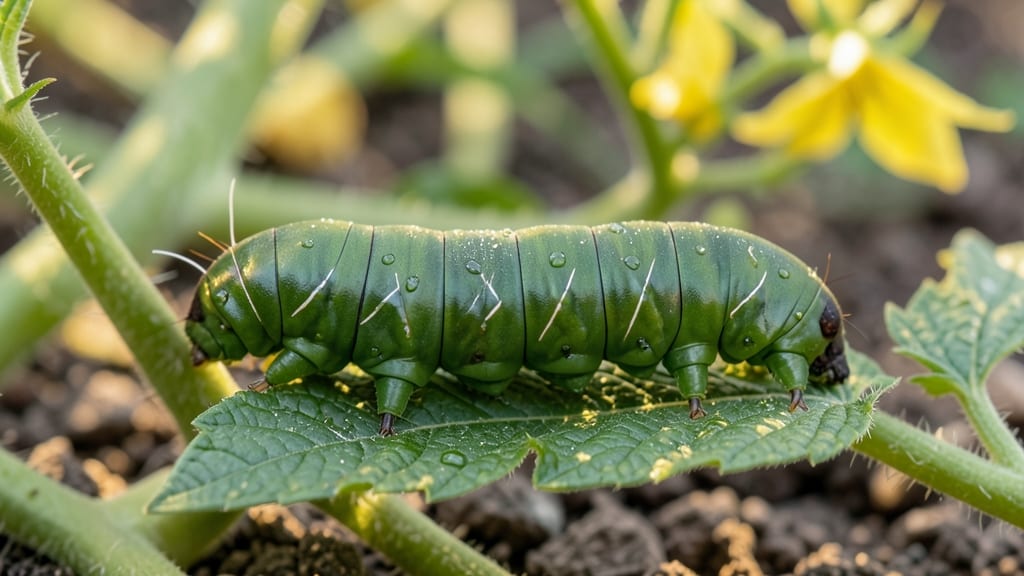
The tomato hornworm caterpillar is the sneaky villain that can devour your entire tomato plant in days—unless you know how to fight back. 🌿 I’ve lost more tomato leaves to these striped bandits than I’d like to admit, but I’ve also learned how to turn the tide with simple, organic tactics that actually work.
These caterpillars are masters of disguise, blending into foliage with their green bodies and white diagonal stripes. The good news? They’re easy to spot if you check your plants regularly—especially the undersides of leaves where they hide.
Handpicking is your first line of defense, but it’s not just about grabbing and tossing. You’ll also want to attract their natural predators, like parasitic wasps and lacewings, to keep populations in check.
By the time you’re done, your tomato plants will bounce back stronger, and you’ll have a foolproof system for early detection. The key is consistency—check your plants every few days, especially during peak hornworm season (late spring to early summer). With these methods, you’ll protect your harvest without harsh chemicals.
This approach works for any garden, from small containers to sprawling backyard plots. The best part? You’ll be doing it all while supporting a healthier ecosystem. Let’s get those plants back in fighting shape!
📚 In This Guide
- What you need
- Instructions
- Tips and common mistakes
- Wrapping up and next steps
What you need
- ● Gloves (gardening or insect-resistant) – 1 pair (nitrile or heavy-duty cotton to protect your hands).
- ● Pruning shears or sharp scissors – 1 pair (for precise trimming of infested leaves or stems).
- ● Small container or bucket (5+ gallons) – 1 (for collecting caterpillars or soapy water disposal).
- ● Soapy water solution – Mix 1 gallon of water + 1 tbsp dish soap (or neem oil for organic control).
- ○ Magnifying glass (optional but helpful) – 1 (to spot tiny eggs or caterpillars hiding in foliage).
- ● Spray bottle (8–16 oz) – 1 (for targeted applications of soapy water or neem oil).
- ● Trowel or small shovel – 1 (for digging up heavily infested soil or plants).
- ● Neem oil or horticultural oil – 1 bottle (16 oz) (disrupts caterpillar feeding and growth).
- ● Bacillus thuringiensis (Bt) spray – 1 container (organic, caterpillar-specific pesticide).
- ● Diatomaceous earth (food-grade) – 1 lb (sprinkle around plants to dehydrate pests).
- ● Sticky traps or yellow cards – 2–4 (to monitor adult moth activity).
- ● Handheld vacuum (small, for pests) – 1 (for quick removal of caterpillars without harming plants).
- ● Notebook & pen – 1 (to track infestations and treatment effectiveness).
How to identify and remove tomato hornworms effectively
Here's the hands-on method I've used for seasons—no chemicals, just smart spotting and quick action.
🌿 Step 1: Scout Your Plants at the Right Time
Check your tomato plants every 2-3 days during the late morning or early afternoon when caterpillars are most active. Focus on the undersides of leaves and near growing tips—this is where hornworms hide. I look for large green caterpillars (2-4 inches long) with white diagonal stripes and sometimes a horn-like projection at the rear.
Don't wait until you see damage. By then, the hornworm may have already stripped leaves or damaged fruit. I've caught them as early as 1 inch long—the smaller they are, the easier they are to remove without leaving a mess.
✂️ Step 2: Remove Hornworms by Hand (The Best Method)
Grab a pair of gardening gloves and a small container with soapy water. Approach the plant from behind so the hornworm doesn't see you coming. Gently grasp the caterpillar near its middle—this prevents it from squirming too much—and drop it into the soapy water immediately. The soap breaks down its exoskeleton and prevents it from wriggling free.
If you're squeamish, use a tweezers or small pruning shears to snip the hornworm off the plant. Place it in a sealed bag and dispose of it far from your garden. Never crush them on the plant—this can release pheromones that attract more hornworms.
🌱 Step 3: Prevent Future Infestations Naturally
Encourage parasitic wasps (Braconid wasps), which naturally control hornworm populations. These tiny wasps lay eggs inside the caterpillar, eventually killing it. You'll see white cocoons or small holes in the hornworm's body—this is a good sign! Plant dill, fennel, or parsley nearby to attract these beneficial insects.
Apply neem oil or Bacillus thuringiensis (Bt) as a preventive spray every 7-10 days during peak hornworm season. These options are safe for plants and humans but deadly to caterpillars. Spray in the early morning or late evening to avoid harming bees and other pollinators.
🌿 Step 4: Monitor and Maintain Vigilance
After removing a hornworm, check the same plant daily for 3-5 days. Hornworms reproduce quickly, and a single female can lay up to 2,000 eggs in her lifetime. If you spot new eggs (small, yellow, and oval-shaped), scrape them off with your fingernail or a soft brush and drop them into soapy water.
Keep your garden healthy with balanced fertilization and proper watering. Stressed plants are more vulnerable to pests. I also rotate crops yearly to disrupt hornworm life cycles and reduce their presence in my garden.
Tips & tricks for effective tomato hornworm removal
Here's what I've learned after years of battling these garden invaders—simple tricks that make all the difference.
Timing Secret: The late morning or early afternoon is prime time for hornworm hunting because caterpillars are most active when temperatures are mild. I've caught more than half of my garden's hornworms during these windows—don't skip them! Also, focus on the undersides of leaves and growing tips where they hide. The earlier you spot them (even at 1 inch long), the easier they are to remove without causing plant stress.
Equipment That Changed Everything: Never try to remove hornworms bare-handed—trust me, they'll squirm and leave a mess. I always keep a pair of gardening gloves and a small container with soapy water handy. The soap breaks down their exoskeleton instantly, preventing escapes. For squeamish gardeners, tweezers or small pruning shears work perfectly—just snip and dispose of them far from your garden to avoid pheromone attraction.
Prevention Strategy: The 7-10 day preventive spray schedule with neem oil or Bt is non-negotiable during peak season. I've found that spraying in early morning or late evening protects pollinators while still being effective. For extra protection, plant dill, fennel, or parsley nearby—they attract Braconid wasps, which naturally control hornworm populations. You'll know these wasps are working when you see white cocoons on caterpillars.
Monitoring Hack: After removing a hornworm, I check the same plant daily for 3-5 days—this is when new eggs might appear. Those tiny yellow ovals are hornworm eggs, and scraping them off with your fingernail prevents future infestations. I've saved entire tomato plants by catching eggs before they hatched. Keep a small brush handy for stubborn eggs on rough leaf surfaces.
Pro Tips for Tomato Hornworm Caterpillar
- Here's what I've learned after years of battling these garden invaders—simple tricks that make all the difference.
- Timing Secret: The late morning or early afternoon is prime time for hornworm hunting because caterpillars are most active when temperatures are mild.
- Equipment That Changed Everything: Never try to remove hornworms bare-handed—trust me, they'll squirm and leave a mess.
Frequently asked questions
How do I tell if my tomato plant has tomato hornworms?
Look for large green caterpillars (2-4 inches long) with white diagonal stripes and tiny black "horns" on their rear. Check the undersides of leaves, stems, and fruit—especially at night when they’re most active. You might also spot black droppings (frass) on leaves or soil.
When are tomato hornworms most active and destructive?
These caterpillars peak in late spring to early summer (June–July in most regions). They’re most destructive at night, feasting on leaves and fruit. Damage is worst in warm, humid climates, but they thrive anywhere tomatoes grow. Act fast—one hornworm can defoliate a plant in 24–48 hours!
Are tomato hornworms harmful to humans or pets?
Nope! They’re harmless to people and pets. While their venomous "horns" can deliver a mild sting (like a bee), it’s not dangerous. However, avoid handling them barehanded—wear gloves if you’re squishing them. Pets might be curious but won’t get sick from contact.
What’s the best natural way to get rid of them without chemicals?
Try these eco-friendly tactics:
- Handpick them (drop in soapy water).
- Introduce parasitic wasps (Braconid wasps)—they lay eggs inside hornworms, killing them naturally.
- Use neem oil or Bacillus thuringiensis (Bt) as a spray.
- Plant basil or dill nearby—hornworms avoid these scents.
Will tomato hornworms kill my entire tomato plant?
Not necessarily! While they can strip leaves quickly, healthy plants often bounce back. Focus on removing the caterpillars and protecting new growth. If your plant is small or stressed, hornworms may weaken it enough to attract other pests. Act within 24 hours of spotting them to minimize damage.
Wrapping up and next steps
Meet the tomato hornworm caterpillar—a formidable foe in your garden, but one you can conquer with the right tools and techniques! 🌱 From identifying these striped invaders to handling them safely and preventing future attacks, you now have a battle plan to protect your tomato plants.
Remember, even the most stubborn pests can’t stand a united front of vigilance and quick action.
Ready to reclaim your garden? Start by inspecting your plants weekly—early detection is your best defense. Share your victories (or horror stories!) in the comments, and let’s keep those tomato hornworms at bay together. 🚀