
Pests
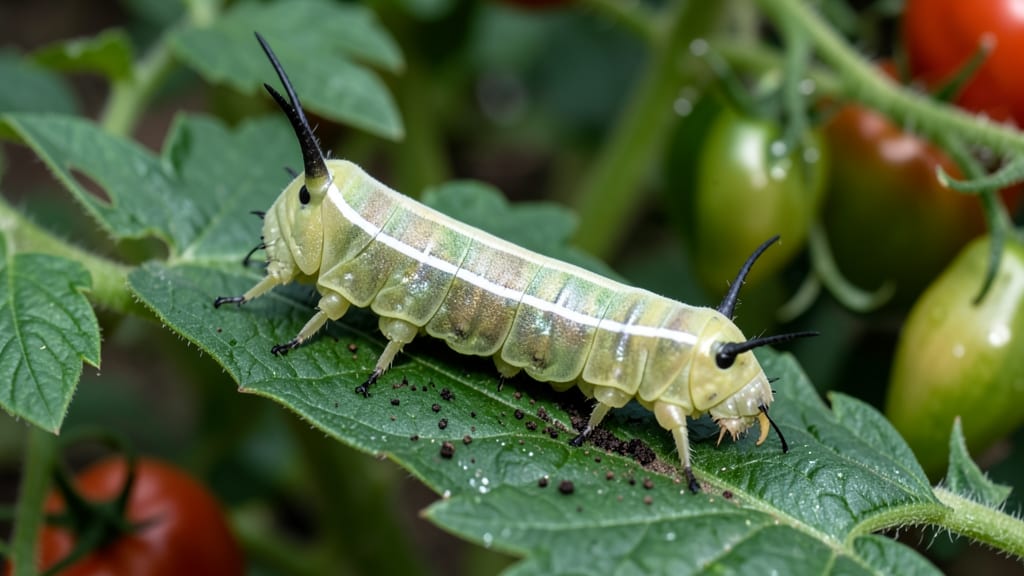
Spotting a tomato hornworm on your plants means your garden is already home to a natural predator ecosystem—if you know how to work with it. 🌿 These striped caterpillars can strip a plant bare overnight, but their lifecycle and the wasps that hunt them give us a built-in defense system if we understand it.
The key is timing: hornworms only live 4-6 weeks as larvae, but they can devour 8 tomato plants in that time. Their green camouflage makes them hard to see until it’s too late, but knowing their lifecycle helps you spot them early—before they reach their 4-inch monstrous size.
You’ll protect your tomatoes without harsh chemicals by handpicking them (they’re harmless to humans) or introducing Bacillus thuringiensis, a natural bacteria that targets caterpillars. Companion plants like basil and marigolds also deter them, while parasitic wasps—the hornworm’s natural enemy—will handle the rest if you leave some behind.
This isn’t about eradicating them—it’s about balancing the garden’s ecosystem so your tomatoes thrive while keeping the hornworms in check. Here’s how to do it without losing your harvest.
Hidden Invaders Behind Your Plants
If your tomato plants are suddenly sporting ragged leaves, missing fruit, or even skeletonized foliage, the culprit might be a tomato hornworm—one of the most voracious garden pests. But why do these striped caterpillars show up in the first place?
The answer lies in a mix of ecological factors, plant attractants, and even human gardening habits. Understanding these triggers can help you stay one step ahead.
The tomato hornworm’s menu is simple: it’s a tomato specialist. These caterpillars are drawn to plants in the nightshade family (Solanaceae), which includes tomatoes, peppers, eggplants, and even tobacco.
The reason? These plants produce compounds that signal to hornworms (and their moth parents) that they’re a nutritional goldmine.
Why it happens:
- Volatile organic compounds (VOCs): Tomato plants release scent molecules when stressed (e.g., by damage or drought), which act like a dinner bell to moths. Females lay eggs near these signals, ensuring their larvae have a built-in food source.
- Leaf chemistry: Young tomato leaves are rich in proteins and water—perfect for rapid-growing caterpillars. The higher the nitrogen content in the soil (from fertilizers or compost), the more appealing the plants become to hornworms.
- Monoculture gardens: Planting large blocks of tomatoes without diversity creates a buffet effect. Hornworms thrive where food is abundant and predators are scarce.
Actionable tip: 🌿 Interplant tomatoes with basil, marigolds, or onions—these repel moths and disrupt their egg-laying cues. Rotate crops yearly to break the hornworm’s life cycle.
Hornworms don’t just appear out of nowhere—they’re the offspring of five-spotted hawk moths, which are master night fliers. Their reproductive strategy is all about timing and stealth.
Why it happens:
- Nocturnal activity: Adult moths emerge at dusk to feed on nectar (they’re drawn to fragrant flowers like moonflowers or petunias) while avoiding predators like bats. During this time, females release pheromones to attract males, and mating occurs within hours.
- Egg-laying precision: Females lay eggs directly on tomato leaves (or nearby solanaceous plants) using a specialized ovipositor. They target the undersides of leaves to protect eggs from desiccation and predators. A single female can lay 200–300 eggs in her lifetime!
- Seasonal peaks: Hornworms are most active in warm, humid climates (like the Southeast U.S.) from June to August. Cooler regions may see them later in the season, but they’ll still appear when nighttime temps stay above 60°F (15°C).
Actionable tip: 🕯️ Install a UV or blacklight trap near your garden to lure adult moths away from laying eggs. Prune lower tomato leaves in early summer to remove potential egg sites.
Hornworms are heat-loving creatures, and their survival depends on specific environmental conditions. Too much rain, wind, or cold can halt their lifecycle—but ideal conditions turn your garden into their personal buffet.
Why it happens:
- Warm nights (>70°F / 21°C): Hornworm eggs hatch fastest in consistent warmth. If your garden stays hot and humid, larvae emerge in just 3–5 days instead of the usual 5–7.
- Sheltered spots: Hornworms hide in dense foliage or under leaf litter during the day to avoid predators like birds and parasitic wasps. Weedy or overgrown gardens provide perfect hiding spots.
- Drought stress in plants: Surprisingly, slightly stressed tomato plants (from underwatering) can increase their sugar content, making them more appealing to hornworms. Meanwhile, overwatered plants create a damp microclimate that speeds up larval growth.
Actionable tip: 💦 Use drip irrigation to keep soil moisture even—neither too dry nor soggy. Mulch around plants to stabilize soil temps and reduce stress signals. If possible, avoid planting tomatoes in low-lying areas where cold air pools at night.
In nature, hornworms have a long list of enemies, from parasitic wasps to birds and even other insects. But human interventions—like pesticides or habitat loss—can throw this balance off.
Why it happens:
- Broad-spectrum pesticides: Chemicals like neonicotinoids or pyrethroids kill both pests and their natural predators. Without wasps, lacewings, or ladybugs to keep hornworm populations in check, the caterpillars multiply unchecked.
- Lack of biodiversity: Gardens with only tomatoes offer no alternative food sources for predators. For example, braconid wasps (which lay eggs inside hornworms) need a variety of host plants to thrive.
- Urbanization and habitat loss: As natural ecosystems shrink, beneficial insects lose nesting sites. Hornworms, meanwhile, adapt quickly to garden monocultures.
Actionable tip: 🐝 Create a predator-friendly garden by adding:
- Native flowering plants (e.g., dill, fennel, or yarrow) to attract parasitic wasps.
- Bird baths or shallow water sources to support insect-eating birds.
- Avoid broad-spectrum sprays—opt for Bt (Bacillus thuringiensis) or handpicking instead.
Quick Fixes for Garden Invaders
If your tomato plants are under siege by voracious larvae, don’t panic—there are effective, eco-friendly ways to reclaim your garden. Below, we break down the most common causes of these pests and the practical solutions to stop them in their tracks.
From manual removal to long-term prevention, these methods are simple, budget-friendly, and chemical-free—perfect for organic gardeners.
Cause: Large, green caterpillars (tomato hornworms) munching through leaves and fruit overnight. Fix:
- 👨🍳 Scan your plants at dawn or dusk when hornworms are most active.
- 🔪 Grab a pair of gloves or tongs—these pests have tiny spikes that can irritate skin.
- 🗑️ Drop them into soapy water (1 tbsp dish soap per gallon) to kill them instantly.
- 🌱 Check under leaves and near stems—they love to hide!
Pro Tip: 💡 If you spot eggs (tiny green ovals on undersides of leaves), scrub them off with a damp cloth before they hatch.
Cause: Lack of natural predators (like parasitic wasps or birds) to keep populations in check. Fix:
- 🐝 Plant companion flowers like dill, fennel, or marigolds to attract braconid wasps, which lay eggs inside hornworms—turning them into "zombie caterpillars" that die off.
- 🐦 Install a bird feeder or bath near your garden to lure chickadees, wrens, and sparrows, which snack on hornworms.
- 🦎 Add a small pond or water feature to attract toads and frogs, which devour larvae.
Pro Tip: ✨ Avoid pesticides—even "safe" ones can harm beneficial insects!
Cause: Hornworms slipping past manual checks or chemical sprays. Fix:
- 🧶 Cover young plants with floating row covers (lightweight fabric) to block egg-laying moths.
- 🍎 Use sticky traps (yellow or blue) near plants to catch adult moths before they reproduce.
- 🥬 Wrap lower stems with cardboard collars to deter egg-laying moths from crawling up.
Pro Tip: 🌡️ Mulch heavily with straw or grass clippings—hornworms dislike crawling through thick layers.
Cause: Severe infestations where manual removal isn’t enough. Fix:
- 🍋 Spray with neem oil (1 tbsp per quart of water + a drop of dish soap as an emulsifier). Reapply every 3–5 days—it disrupts their feeding and growth.
- 🌶️ Mix hot pepper spray (1 tbsp cayenne + 1 quart water + a drop of soap). Reapply after rain.
- 🍃 Bacillus thuringiensis (Bt)—a microbe-based spray that targets caterpillars’ digestive systems. Safe for humans and pets!
Pro Tip: ⏰ Apply sprays in the evening to avoid harming bees and other pollinators.
Cause: Recurring hornworm problems year after year. Fix:
- 🌱 Rotate crops—don’t plant tomatoes, peppers, or eggplants in the same spot annually.
- 🌿 Interplant with basil or thyme—these herbs repel hornworm moths.
- 🌿 Clean up garden debris in fall to remove overwintering pupae.
- 🌱 Choose resistant varieties like ‘Mountain Merit’ or ‘Celebrity’ tomatoes, which are less appealing to pests.
Pro Tip: 🎯 Plant early in spring—hornworms appear later in the season, giving your plants a head start!
By combining manual removal, natural predators, and smart gardening habits, you can keep your tomato plants thriving without harsh chemicals. Start today—your garden (and your salads!) will thank you.** 🍅🌱
Frequently asked questions
Are tomato hornworms harmful to humans?
No, tomato hornworms are completely harmless to humans! They can't bite or sting, and their spines (which look scary) are just for protection against predators. The only risk is their potential to defoliate your tomato plants overnight if left unchecked.
How can I tell if my tomato plant has hornworm eggs?
Look for tiny green oval eggs (about 1/16-inch) on the undersides of leaves, especially near leaf veins. They're well-camouflaged, so check carefully. If you find clusters, remove them immediately with a damp cloth or your fingernail.
What's the best time of day to find and remove hornworms?
Early morning or late afternoon is ideal! Hornworms are most active at dawn and dusk when temperatures are cooler. They hide during the heat of the day, making them harder to spot. Just wear gloves—their tiny spines can irritate skin.
Will parasitic wasps actually help control hornworms?
These tiny wasps lay eggs inside hornworms, creating "zombie caterpillars" that eventually die. To attract them, plant dill, fennel, or marigolds nearby. The wasps are harmless to humans and only target caterpillars.
Can I use Bt spray on other garden pests?
Bt (Bacillus thuringiensis) is specifically targeted to caterpillars like hornworms, but it won't harm bees or other beneficial insects. However, it won't control other pests like aphids or beetles. Always follow package instructions for best results.