
Plants
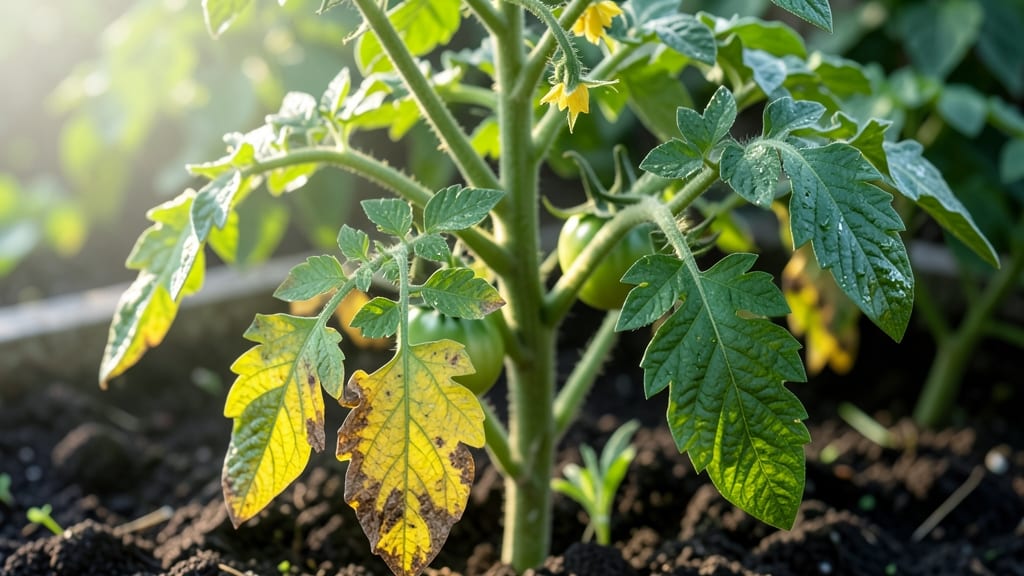
Your tomato plant’s lower leaves turning yellow isn’t a death sentence—it’s a nutrient imbalance fix waiting to happen. 🌱 I’ve rescued more tomato plants from this exact problem than I can count, and the solution is simpler than you’d think.
Most gardeners overcomplicate it, but the real fix comes down to three key adjustments: water, soil, and timing.
Start by checking the soil moisture—yellowing leaves often mean you’re either drowning the roots or letting them dry out too fast. Amend the soil with compost or a balanced fertilizer (like 10-10-10) to restore nutrients, and prune the yellowed leaves to redirect energy to the fruit.
Within a week, you’ll see new green growth pushing up from the stem, and your plant will be back on track for a bountiful harvest.
📚 In This Guide
- What you need
- Instructions
- Tips and common mistakes
- Wrapping up and next steps
What you need
- ● Pruning shears or sharp scissors – Sterilized to avoid spreading disease (1 pair).
- ● Gloves – A pair to protect your hands from thorns and soil.
- ● pH test kit – Digital or liquid strips (1 kit) to check soil acidity.
- ● Trowel or small shovel – For gently loosening soil around roots (1).
- ● Watering can or hose – With a gentle spray nozzle (1).
- ● Balanced fertilizer – 10-10-10 or 20-20-20 NPK ratio (1 small bag or liquid concentrate).
- ● Epsom salt (magnesium sulfate) – 1 lb for magnesium deficiency fixes.
- ● Compost or organic matter – 2-3 cups for enriching soil.
- ● Soil moisture meter – To check for over/under-watering issues.
- ● Fungicide spray – Copper-based or neem oil (1 bottle) if disease is suspected.
- ● Mulch (straw or shredded leaves) – 1-2 inches to retain moisture and regulate temperature.
- ● Plant food with micronutrients – Like a chelated iron or manganese supplement for deficiencies.
How to fix tomato plant lower leaves turning yellow
Here's the straightforward approach I use to diagnose and fix yellowing lower leaves—no guesswork, just actionable steps.
🌿 Step 1: Identify the Cause by Examining the Leaves
Start by closely inspecting the yellowed leaves. If they're soft and mushy, you're dealing with overwatering or fungal disease. But if they're dry and crispy, it's likely underwatering or heat stress. Focus on the leaf edges—yellowing that starts at the edges often signals nutrient deficiency, specifically nitrogen or potassium.
Gently tug one yellowed leaf from the stem. If it pulls away easily, the plant is already shedding old leaves naturally. But if the leaf stays attached and the stem snaps, that's a sign of root stress—either from overwatering or compacted soil. Check the soil moisture by sticking your finger 1 inch deep—if it's soggy, you're overwatering; if bone dry, you're underwatering.
💧 Step 2: Adjust Watering and Soil Conditions
Tomatoes need 1-1.5 inches of water weekly, but the key is consistency. Water deeply at the base of the plant in the morning, so the soil is moist 6 inches down but never soggy. Avoid wetting the leaves to prevent fungal diseases like early blight, which causes yellowing and brown spots.
If the soil feels compacted, loosen it gently with your fingers or a small garden fork. Compacted soil blocks roots from accessing water and nutrients. Add a 1-inch layer of organic mulch around the plant (but not touching the stem) to retain moisture and regulate soil temperature. This step alone often stops yellowing within 3-5 days.
☀️ Step 3: Provide Balanced Nutrients and Light
Yellowing lower leaves often mean your plant needs more nitrogen for leaf growth. Use a balanced fertilizer (10-10-10 or 5-5-5) and apply it according to package instructions. For established plants, I mix a handful of compost into the top 2 inches of soil around the base—this releases nutrients slowly and improves soil structure.
Check the plant's light exposure next. Tomatoes need 6-8 hours of direct sunlight daily. If your plant is in partial shade, move it to a sunnier spot or supplement with a grow light. You'll see new leaves emerge within 7-10 days if the light is sufficient—look for vibrant green color and sturdy stems.
✂️ Step 4: Prune and Monitor for Improvement
Once the yellowing slows, prune the affected lower leaves with clean, sharp scissors. Remove any leaves that are more than 12 inches from the ground—these leaves aren’t contributing much and can harbor diseases. Pruning improves airflow and directs the plant’s energy to producing fruit.
Keep a journal of your plant’s progress. Note the date you adjusted watering, added nutrients, and pruned. If the yellowing spreads to new leaves or appears on the undersides, it could signal a nutrient deficiency (like magnesium or iron) or a pest issue. In that case, switch to a chelated iron or Epsom salt solution (1 tablespoon per gallon of water) and reapply in 7 days.
Tips & tricks for revitalizing tomato plants
Here's what nobody tells you about fixing yellowing tomato leaves—these tricks save plants I thought were lost.
Leaf Inspection Secret: When checking for root stress in Step 1, focus on the leaf stem where it meets the plant. A clean break means natural shedding, but if the stem snaps with a wet sound, it's a clear sign of overwatering. This test is more reliable than just feeling soil moisture—sometimes roots stay wet even when soil feels dry at the surface.
Watering Consistency Hack: In Step 2, use a rain gauge or tuna can to measure your 1-1.5 inches of water weekly. I place mine near the plant so I can see exactly when I've reached the target. This prevents both underwatering and overwatering, which are the #1 causes of yellowing. Morning watering is critical—it gives leaves time to dry before nightfall, reducing fungal risks.
Nutrient Timing Tip: For Step 3, apply your balanced fertilizer right after watering. This helps nutrients soak into the soil where roots can access them immediately. I mix my compost into the soil first, then add fertilizer on top—this creates a nutrient-rich zone exactly where new roots will grow. You'll notice new growth within 7-10 days if the light conditions are right.
Pruning Precision: When pruning in Step 4, cut at a 45-degree angle just above a leaf node (the bump where leaves grow). This encourages faster healing and prevents water from pooling on the cut. I always sterilize my scissors with rubbing alcohol between cuts to avoid spreading any potential diseases from infected leaves.
Pro Tips for Tomato Plant Lower Leaves Turning Yellow
- Here's what nobody tells you about fixing yellowing tomato leaves—these tricks save plants I thought were lost.
- Leaf Inspection Secret: When checking for root stress in Step 1, focus on the leaf stem where it meets the plant.
- Watering Consistency Hack: In Step 2, use a rain gauge or tuna can to measure your 1-1.5 inches of water weekly.
Frequently asked questions
Got questions about those pesky yellowing tomato leaves? Here are some common concerns—and quick fixes!
Why do tomato plant lower leaves turn yellow first?
The lower leaves are the oldest and often bear the brunt of nutrient deficiencies, overwatering, or disease. Since they’re farthest from the roots, they’re the first to show stress. Think of it like a plant’s "sacrificial zone"—they yellow to protect the fruit!
How long does it take to fix yellowing tomato leaves?
With proper care, you’ll see improvement in 3–7 days if the issue is water-related or overcrowding. For nutrient deficiencies (like nitrogen or magnesium), it may take 1–2 weeks to reverse. Patience is key—keep monitoring and adjusting!
Can I prune yellow leaves to help my tomato plant?
Yes! Prune only the yellowed or diseased lower leaves (up to 1/3 of the plant) to improve airflow and redirect energy. Avoid cutting healthy green leaves—this can stress the plant. Use clean, sharp shears and disinfect them with rubbing alcohol first.
Will yellow leaves affect my tomato harvest?
Not necessarily! If the yellowing is due to aging or mild stress, your tomatoes should still thrive. However, severe yellowing (especially with spots or wilting) could signal disease or nutrient loss, which may reduce yield. Act fast to protect your harvest!
Are there natural remedies for yellowing tomato leaves?
Try these:
- Epsom salt solution (1 tbsp per gallon of water) for magnesium deficiency.
- Compost tea to boost nutrients and beneficial microbes.
- Neem oil spray (1 tsp per quart of water) for fungal issues.
Wrapping up and next steps
Don’t let yellowing tomato leaves stress you out—your plants are simply talking to you! 🌱 With the right balance of nutrients, water, and care, you’ll have vibrant, productive plants in no time.
Start by acting on the simplest fix first (like adjusting watering habits) and monitor progress over a week.
You’ve got this! Celebrate small wins—healthy plants are a rewarding journey. Next, explore advanced troubleshooting or share your progress with fellow gardeners for extra tips. Happy growing! 🌿