
Vegetables
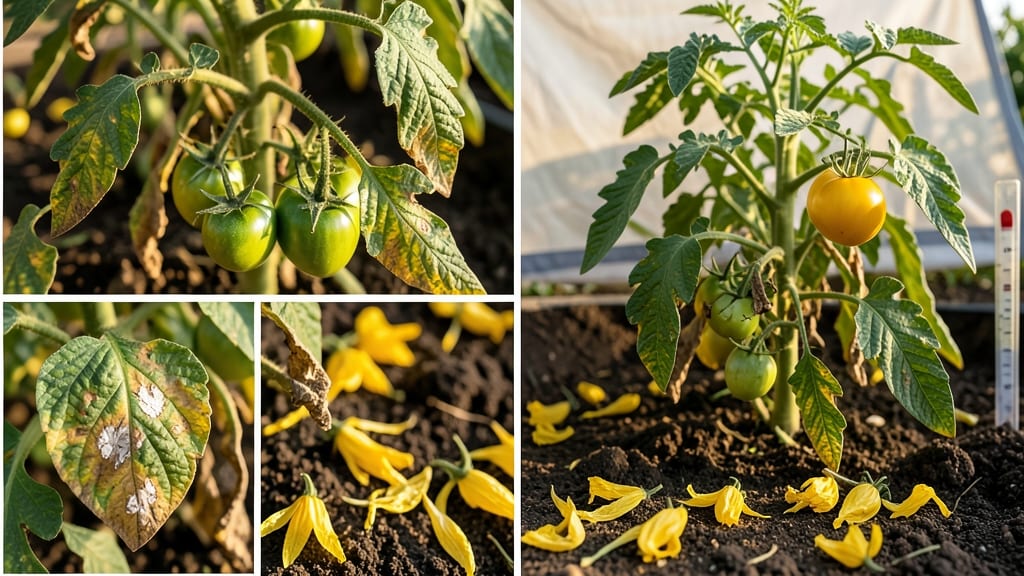
Your tomatoes are showing tomato heat stress symptoms midday despite regular watering—this is more common than you think. ✨ The crisp edges, drooping leaves, and sudden fruit cracks are your plants’ way of saying, "I need help staying cool."
I’ve seen this happen in my own garden during those scorching afternoons when the air feels like an oven, and the difference between a struggling plant and a thriving one often comes down to a few simple adjustments.
The real culprit isn’t just the heat—it’s how quickly the soil dries out and how fast moisture escapes from the leaves. Tomatoes in high-heat zones need deep, infrequent watering to encourage strong roots that can reach moisture, not shallow drinks that evaporate within hours.
Mulch is your secret weapon here: a 2-3 inch layer of straw or wood chips keeps soil temperatures down and locks in moisture, giving your plants the breathing room they need.
What you’ll notice after making these changes is leaves that stay plump and green instead of crispy, and fruit that ripens evenly without cracking. The wilting slows by late afternoon, and within a week, your plants bounce back with new growth.
The key is acting fast—once the damage spreads to the stems, recovery gets a lot harder.
For extreme heatwaves (think 100°F+), temporary shade cloth can save your harvest. Just drape it loosely over the plants in the hottest hours and remove it in the morning.
Most varieties adapt to heat with the right care, but if your plants keep struggling, it might be time to switch to heat-tolerant varieties like ‘Solar Fire’ or ‘Heatmaster’ next season.
Root Causes of Tomato Heat Stress
Heat stress in tomatoes isn’t just about scorching temperatures—it’s a complex reaction triggered by environmental and physiological factors. Understanding these causes helps you intervene before your plants succumb to wilting or leaf scorch. Here’s why it happens, broken down by the real culprits:
Tomatoes thrive in warm weather, but consistent temperatures above 90°F (32°C) push them beyond their comfort zone. The issue isn’t just the heat itself but how it disrupts their cellular functions:
- Stomatal Closure: High temperatures cause tomato leaves to close their stomata (tiny pores) to conserve water. While this prevents dehydration, it also blocks CO₂ uptake, halting photosynthesis.
Without energy production, leaves turn yellow or brown at the edges—a classic sign of heat stress. - Protein Denaturation: Heat damages enzymes and proteins in tomato cells, including those responsible for chlorophyll production.
This leads to leaf scorch (brown, crispy edges) and wilting as cells lose structural integrity. - Oxidative Stress: Extreme heat generates reactive oxygen species (ROS), which damage cell membranes. This accelerates aging in leaves, causing them to wither prematurely.
Actionable Insight: Tomatoes need partial shade during peak afternoon heat (12 PM–4 PM). Use shade cloth (30–50%), mulch heavily, or grow them near taller plants for natural shade.
Heat doesn’t just stress tomatoes directly—it dries out the soil faster than roots can replenish water. Even well-watered plants can suffer if:
- Evaporative Demand: Hot air holds more moisture, pulling water out of leaves 10x faster than in cooler conditions.
If soil moisture drops below 40–50%, roots struggle to absorb enough water, leading to wilting (even if soil looks damp at the surface). - Root Zone Drying: Surface watering (e.g., sprinklers) evaporates quickly, leaving deep roots thirsty.
Tomatoes need 1–1.5 inches of water per week, delivered deeply to encourage root growth. - Salt Buildup: In hot climates, frequent irrigation with tap water (high in salts) can accumulate in the root zone, further stressing plants. This is common in container-grown tomatoes where drainage is limited.
Actionable Insight: Water early morning (5–8 AM) to minimize evaporation. Use drip irrigation or soaker hoses to deliver water 2–3 inches deep. Add organic mulch (straw or wood chips) to retain moisture and cool roots.
Tomatoes need good airflow to regulate temperature and humidity around their leaves. When conditions are stagnant:
- High Humidity + Heat = Fungal Pressure: Stagnant, humid air (especially above 70% humidity) creates the perfect environment for fungal diseases like early blight or powdery mildew, which mimic heat stress symptoms (yellowing, wilting).
Heat weakens the plant’s defenses, making them more susceptible. - Leaf Burn from Condensation: In greenhouses or dense plantings, heat during the day + cool nights causes condensation on leaves.
This traps heat and can lead to localized scorch where water droplets evaporate rapidly. - Ethylene Buildup: Overcrowded tomatoes produce ethylene gas, a plant hormone that accelerates aging and wilting—especially under heat stress.
Actionable Insight: Space plants 18–24 inches apart and prune suckers to improve airflow. Use oscillating fans in greenhouses or near outdoor plants to mimic a breeze. Avoid overhead watering to prevent fungal spores from splashing onto leaves.
Heat accelerates nutrient uptake and leaching, but tomatoes often can’t keep up with demand. Key deficiencies worsen stress symptoms:
| Nutrient | Heat-Related Deficiency Signs | Why It Happens |
|---|---|---|
| Calcium | Blossom-end rot, leaf curling, brown scorch | High temps reduce calcium absorption; roots struggle to uptake it from hot soil. |
| Potassium | Yellowing between leaf veins, weak stems | Heat increases potassium demand for osmotic regulation (helping cells retain water). |
| Magnesium | Interveinal chlorosis (yellowing) | Heat speeds up magnesium leaching from leaves. |
| Nitrogen | Overall stunted growth, pale leaves | Microbes in soil break down nitrogen faster in heat, making it less available. |
Actionable Insight: Side-dress with compost or balanced fertilizer (10-10-10) when plants are 6–8 inches tall. For calcium, use crushed eggshells or calcium nitrate. Mulch with compost to slowly release nutrients as roots grow deeper.
Not all tomato varieties handle heat equally.
Some are more heat-tolerant due to: - Thicker Cuticles: Varieties like ‘Heatmaster’ or ‘Solar Fire’ have waxy leaf coatings that reduce water loss. - Shallow Root Systems: Determinate tomatoes (bush varieties) have less root depth and struggle in extreme heat compared to indeterminate types (e.g., ‘Sungold’), which develop deeper roots over time. - Flower Drop: Heat above 85°F (29°C) can cause pollination failure, leading to blossom drop and fewer fruits.
This isn’t wilting, but the resulting reduced canopy makes remaining leaves more vulnerable to heat stress.
Actionable Insight: Choose heat-tolerant varieties for your climate. If growing heirlooms, prune aggressively to focus energy on fewer, larger leaves that can better regulate temperature. Hand-pollinate flowers in extreme heat by gently shaking plants in the morning.
Revive Your Tomatoes: Step-by-Step Fixes
When your tomato plants are wilting under the sun, acting fast is key. Here’s how to diagnose the root cause and restore your plants to peak health—plus tips to keep them thriving in future heatwaves.
Cause: Intense sunlight or heat causes leaf edges to crisp or blister.
Solution:
- 🌿 Provide Shade: Use shade cloth (30-50% coverage) or temporary row covers to block direct sun, especially during peak afternoon heat (12 PM–4 PM). Secure fabric loosely to allow airflow.
- 💦 Hydrate Deeply: Water deeply at the base of the plant (1–2 inches per week) in the early morning or late evening. Avoid wetting leaves to prevent fungal issues.
- 🍃 Trim Damaged Leaves: Prune severely scorched leaves with clean shears to redirect energy to healthy growth. Focus on lower leaves first.
Prevention Tip: 🌡️ Mulch Matters – Apply 2–3 inches of organic mulch (straw or wood chips) to retain soil moisture and regulate temperature.
Cause: Soil temperatures above 90°F can shock roots, leading to wilting even with adequate water.
Solution:
- 👨🍳 DIY Soil Coolers: Bury clay pots or terracotta saucers near the base of plants to create microclimates that stay cooler. Fill them with water to evaporate and lower surrounding temps.
- 🥘 Adjust Watering Times: Switch to drip irrigation or soaker hoses to deliver water slowly to the roots, avoiding surface evaporation. Water before the heat peaks (early morning is ideal).
- ⏰ Evening Watering Hack: If mornings are too hot, water 2–3 hours before sunset to give roots time to absorb moisture overnight.
Prevention Tip: ✨ Choose Heat-Tolerant Varieties – Opt for determinate tomatoes (like ‘Celebrity’ or ‘Roma’) or heat-resistant hybrids (e.g., ‘Solar Fire’ or ‘Heatmaster’).
Cause: Weakened plants struggle to cope with heat stress due to poor nutrition or pests.
Solution:
- 📊 Feed Smart: Apply a balanced fertilizer (10-10-10) or compost tea to replenish nutrients lost in heat. Avoid high-nitrogen fertilizers—they promote leafy growth at the expense of roots.
- 💪 Strengthen Roots: Mix mycorrhizal fungi into the soil at planting to improve root water uptake. This natural additive forms a symbiotic relationship with roots, enhancing drought resistance.
- 🐜 Pest Patrol: Heat-stressed plants attract pests like aphids or spider mites. Spray plants with neem oil or introduce ladybugs to keep populations in check.
Prevention Tip: 🎯 Prune Strategically – Remove suckers (side shoots) to reduce transpiration (water loss) and focus energy on fruit production.
Cause: Recurring heatwaves deplete soil moisture and plant vigor over time.
Solution:
- 🌧️ Rain Barrel Redirection: Collect rainwater in barrels and use it to supplement irrigation during dry spells. Rainwater is cooler and gentler on plants.
- 🏡 Adjust Plant Placement: Move containers to partial shade or relocate potted tomatoes to a north-facing side of your garden where they receive morning sun but afternoon shade.
- 🔄 Rotate Crops: If heat stress is chronic in your area, rotate tomato varieties yearly or switch to shade-tolerant crops (like peppers or eggplants) in the most scorching spots.
Pro Tip: 💡 Monitor Soil Temp – Use a soil thermometer to track temperatures. Ideal soil temps for tomatoes are 60–85°F; anything above 90°F signals stress.
Remember: Patience is key—recovery may take 1–2 weeks. Keep an eye on progress and adjust your approach as needed. With these fixes, your tomatoes will bounce back stronger and sweeter than ever! 🍅💪
Frequently asked questions
What’s the first sign my tomatoes are suffering from heat stress?
Look for leaf edges turning crispy and brown (leaf scorch) or leaves wilting by midday—even if soil feels moist. These are your plant’s SOS signals. The key difference from drought stress? Leaves often stay attached but feel papery and dry, rather than completely drooping.
Can I save tomatoes already showing severe heat stress symptoms?
Yes, but act fast! Prune severely scorched leaves immediately to redirect energy, then provide afternoon shade and water deeply at the roots (1–2 inches per week). For extreme cases, temporarily move potted tomatoes to a cooler spot. Recovery takes 7–14 days, but if stems blacken or flowers drop en masse, the plant may not fully recover.
Why do my tomato leaves look scorched even when I water daily?
Surface watering creates an illusion of moisture while roots stay thirsty. Heat stress happens when soil temps exceed 90°F—even with wet soil, roots can’t absorb water fast enough. Switch to drip irrigation or soaker hoses and add 2–3 inches of mulch to keep roots cool. Watering in the morning (before 8 AM) also helps prevent evaporation.
Are some tomato varieties better for hot climates?
Heat-tolerant varieties like ‘Heatmaster’ or ‘Solar Fire’ have thicker leaf cuticles that reduce water loss. Determinate types (bush tomatoes) handle heat better than indeterminate vines because they have shallower roots. For extreme heat, try ‘Celebrity’ or ‘Roma’—they’re bred to thrive in 90°F+ conditions.
How do I tell if my tomato’s wilting is from heat or disease?
Heat stress causes crispy leaf edges and wilting that improves at night, while diseases like early blight show yellow spots with concentric rings and wilting that worsens over time. Check undersides of leaves for fungal growth or sticky residue (aphids). Heat-stressed plants also have no visible pests—just dry, papery leaves.