
Tools
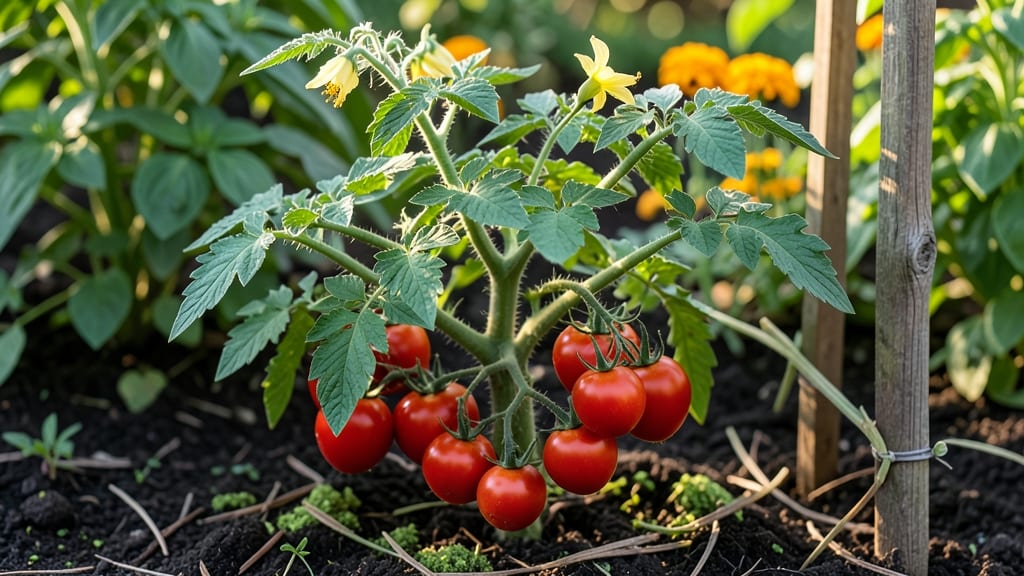
A successful tomato garden in Vernon, NJ, starts with cold-hardy varieties like 'Stupice' or 'Mountain Merit,' planted after the last frost in USDA Zone 6b (typically mid-May). These thrive in Vernon's well-draining soil and full sun, with mulch and stakes protecting plants from the region's humid summers.
A Vernon, NJ tomato garden faces unique challenges like early spring frosts and summer humidity, but the right approach makes it rewarding. 🌱 The cold-resistant varieties recommended aren't just about surviving—'Stupice' produces early fruit while 'Mountain Merit' handles heat better than many commercial types.
Vernon's Zone 6b climate means timing matters: planting too early risks frost damage, while waiting too long cuts the growing season short. I've found that adding compost to the soil before planting boosts drainage while retaining moisture, which is critical during Vernon's often dry July and August months.
The key to Vernon's tomato success lies in understanding its microclimate. While the area gets plenty of sun, afternoon humidity demands proper airflow—this is where stakes and pruning become essential. Early blight, common in the region, can be mitigated by avoiding overhead watering and rotating crops yearly.
For gardeners new to Vernon, starting with disease-resistant seeds and monitoring for hornworms (a local pest) can save hours of frustration later.
💡 In This Article
- Best Tomato Varieties for Vernon NJ’s Climate
- Step-by-Step Vernon NJ Tomato Planting Guide
Best tomato varieties for Vernon NJ’s climate
Vernon's Zone 6b climate demands tomato varieties that balance cold tolerance with heat resilience. The 'Stupice' variety, originally from Eastern Europe, thrives here because it matures in just 55-60 days—critical for beating Vernon's unpredictable late frosts.
Its compact, determinate growth habit also makes it ideal for smaller spaces, producing 1-2 pound fruits that ripen uniformly. The skin's thicker texture resists cracking during Vernon's frequent summer downpours, while its sweet, meaty flesh delivers flavor that rivals heirlooms.
For gardeners seeking continuous harvests, 'Mountain Merit' is a standout indeterminate variety that keeps producing until Vernon's first frost (typically late October). This hybrid handles Vernon's 80-90°F summer temperatures better than most, thanks to its genetic resistance to verticillium wilt and fusarium wilt—two diseases that plague local gardens.
The plants grow 6-8 feet tall, so sturdy cages or trellises are essential to support the weight. I've noticed these plants develop a slightly tangy-sweet flavor when grown in Vernon's loamy soil, especially when paired with composted manure.
The choice between determinate and indeterminate varieties affects your Vernon garden's layout and maintenance. Determinate types like 'Stupice' produce all their fruit at once, making them perfect for canning or selling at local farmers' markets.
Indeterminate varieties like 'Mountain Merit' offer prolonged harvests but require more frequent pruning to improve airflow—critical during Vernon's humid July and August months when fungal diseases spread rapidly. 🌿 For maximum yield, consider planting both types: use determinate varieties near the garden's edges and indeterminate ones along trellises in the center.
Local gardeners often swear by 'Glacier' for its cold tolerance, maturing in just 50 days from transplant. This variety handles Vernon's Zone 6b winters better than most, with plants surviving light frosts down to 25°F.
The fruits are smaller (1-1.5 inches diameter) but pack intense flavor, making them ideal for salads. Another excellent choice is 'Jet Star,' a hybrid that produces 10-12 pounds of fruit per plant in Vernon's climate, with excellent disease resistance.
Both varieties demonstrate why Vernon's tomato gardens succeed when selecting varieties bred for short growing seasons and high humidity.
When choosing seeds, pay attention to the "days to maturity" label—Vernon's 120-140 day growing season means varieties needing more than 85 days to mature may not fully ripen.
The University of New Jersey Cooperative Extension recommends avoiding traditional heirlooms like 'Brandywine' unless you're willing to use row covers to extend the season. Instead, focus on hybrids developed for northern climates, which often combine disease resistance with Vernon's specific temperature fluctuations.
For those interested in unique flavors, 'Black Krim' performs surprisingly well in Vernon's climate when given extra care. While it requires 85-90 days to mature, its rich, smoky taste makes it worth the effort.
Plant these varieties in slightly warmer microclimates (like near south-facing fences) to give them a head start. The trade-off is worth it—the deep purple-black fruits have a complex flavor profile that's hard to find in standard supermarket tomatoes.
Remember that Vernon's soil pH typically ranges from 6.0-7.0, which is ideal for tomatoes. Before planting, conduct a soil test through the Bergen County Soil Conservation District—they offer affordable kits and interpretations.
This ensures your chosen varieties get the optimal nutrient balance for Vernon's conditions, maximizing both yield and flavor. 🌱