
Vegetables
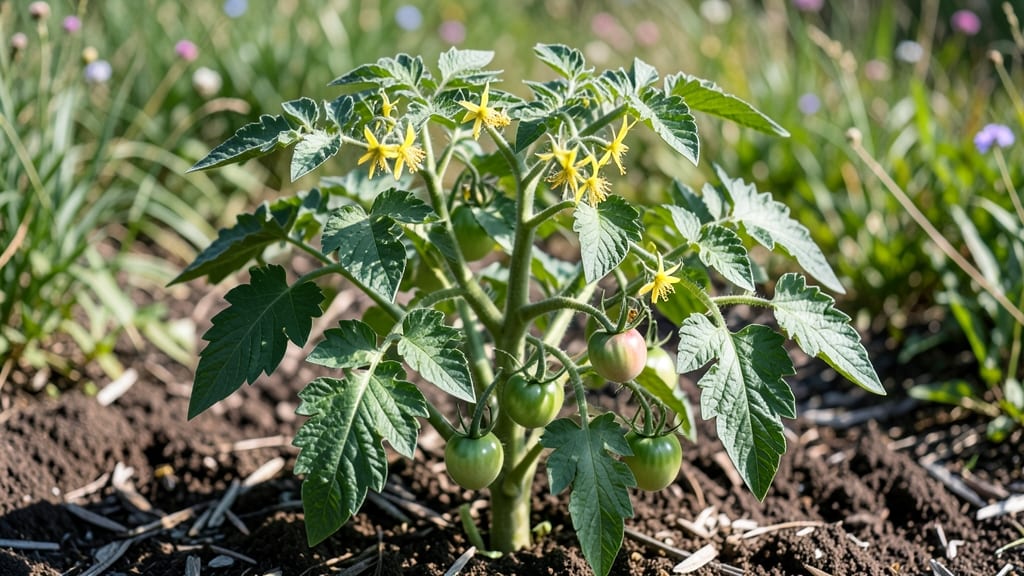
Setting tomato fruit requires the right balance of pollination, temperature, and care — and when it fails, you’re left with flowers that drop like they never existed.
Picture this: your 🍅 plants are thriving, covered in blossoms, but by week three, nothing is forming. That’s the classic sign of a fruit-set problem, and it’s more common than you’d think.
Even gardeners with years of experience hit this snag, often without realizing the simple fixes that could turn their plants into fruit machines.
Most issues boil down to three things: heat stress, poor pollination, or nutrient gaps. The good news? Each has a targeted solution, from hand-pollinating flowers to adjusting water schedules. Below, I’ll walk you through the root causes and the three fixes that actually work — no guesswork required.
By the end, you’ll know exactly how to stop blossom drop in its tracks and finally get the harvest you’ve been waiting for. Let’s get those tomatoes setting!
Why tomato flowers drop before setting fruit (root causes)
When your tomato plants burst into bloom but those flowers just fall off without forming fruit, it’s one of the most frustrating gardening puzzles. This issue—called blossom drop—happens when the plant’s delicate balance between growth and fruit development gets disrupted.
The good news? Understanding the root causes puts you back in control of your harvest.
Tomatoes are self-pollinating plants, meaning they don’t rely on bees or wind to transfer pollen. Instead, they use a process called geitonogamy, where pollen moves between flowers on the same plant.
When this process fails—or when environmental stressors interfere—your flowers may drop before setting fruit. The most common culprits? Temperature swings, water stress, and nutrient imbalances.
Temperature fluctuations are a top offender. Tomatoes thrive in stable warmth (70-85°F), but sudden drops below 55°F at night or spikes above 95°F during the day can trigger blossom drop. Cold stress disrupts pollen tube growth, while extreme heat causes ethylene gas buildup, a natural plant hormone that signals flowers to drop.
Water stress—whether from underwatering or overwatering—also plays a major role. Tomatoes need consistent moisture to support fruit development. Drought stress causes flowers to abort, while soggy soil leads to root rot and nutrient uptake issues. Even slight water fluctuations can confuse your plant’s hormonal signals, leading to dropped blossoms.
Here’s a quick breakdown of the key factors disrupting tomato fruit set, along with their impact on your harvest:
Nutrient deficiencies are another silent saboteur. Tomatoes need calcium for cell wall strength and boron for pollen tube development. A deficiency in either can lead to blossom end rot (calcium) or poor fruit set (boron). Even if your soil tests balanced, imbalances can occur during rapid growth phases, so a targeted fertilizer boost may be needed.
Hormonal imbalances, particularly ethylene gas buildup, also trigger blossom drop. This gas is produced during stress—like extreme heat, drought, or physical damage—and acts like a "flower drop" signal.
If you notice massive flower drop after a heatwave or pruning session, ethylene is likely the culprit. Reducing stress factors can help reset your plant’s hormonal balance.
Finally, poor pollination is often overlooked. While tomatoes are self-pollinating, they still need gentle movement to transfer pollen. In greenhouses or windless conditions, pollen may not reach the stigma, causing flowers to drop.
Hand-pollination with a small brush or even a gentle shake of the plant can mimic natural conditions and improve fruit set rates.
Identifying which of these factors is affecting your tomatoes is the first step to recovery. Once you pinpoint the issue—whether it’s temperature stress, water fluctuations, or nutrient gaps—you can take targeted action to restore your plant’s balance and encourage those blossoms to finally turn into fruit.
3 Proven fixes to improve tomato fruit set success
When your tomato plants burst with flowers but produce little to no fruit, it’s often due to pollination failures or environmental stress. The good news? You can take control with these three science-backed fixes that target the root causes of poor fruit set.
Whether you’re dealing with hand-pollination needs, watering imbalances, or nutrient gaps, these steps will help transform those blossoms into plump, juicy tomatoes.
First, let’s address the most common culprits: lack of pollination, temperature extremes, and nutrient deficiencies. Tomatoes rely on bees, wind, or manual assistance to transfer pollen, but even with pollinators, heat stress or water fluctuations can halt fruit development.
The fixes below are designed to be easy to implement and tailored to your garden’s specific conditions.
- 1. Hand-Pollinate Flowers Gently shake plants or use a paintbrush to transfer pollen. Do this early morning when flowers are open.
- 2. Adjust Watering Schedule Water deeply 2-3 times per week (1-2 gallons per plant) and avoid wetting leaves to prevent disease.
- 3. Boost Calcium & Boron Apply crushed eggshells or a calcium supplement to prevent blossom end rot and improve fruit set.
For hand-pollination, start by selecting a dry, sunny morning when flowers are fully open. Use a small paintbrush or cotton swab to gently collect pollen from one flower and transfer it to another. This mimics how bees work and ensures cross-pollination, which is critical for fruit development.
If you’re growing tomatoes in a greenhouse or indoors, this step is even more vital since pollinators may not visit.
Next, watering consistency is key. Tomatoes need deep, infrequent watering to encourage strong root growth and prevent stress. Water at the base of the plant in the morning to allow foliage to dry quickly, reducing the risk of fungal diseases like early blight.
If your soil feels dry 1-2 inches below the surface, it’s time to water. Overwatering or uneven moisture can cause blossom drop, so aim for 1-2 gallons per plant every 2-3 days during peak growing season.
Finally, nutrient imbalances—especially calcium and boron deficiencies—can stall fruit set. Apply crushed eggshells or a calcium nitrate supplement to the soil to prevent blossom end rot, a common issue where fruit develops dark, sunken spots.
For boron, use a borax solution (1/4 teaspoon per gallon of water) every 4-6 weeks. These minerals support cell wall strength and pollen tube growth, directly improving fruit development.
By combining these fixes, you’ll create an optimal environment for your tomatoes to thrive. Monitor your plants closely, and don’t hesitate to adjust based on weather conditions or visible stress signs. With patience and consistency, you’ll soon be enjoying a bountiful harvest of homegrown tomatoes!