
Companion Plants
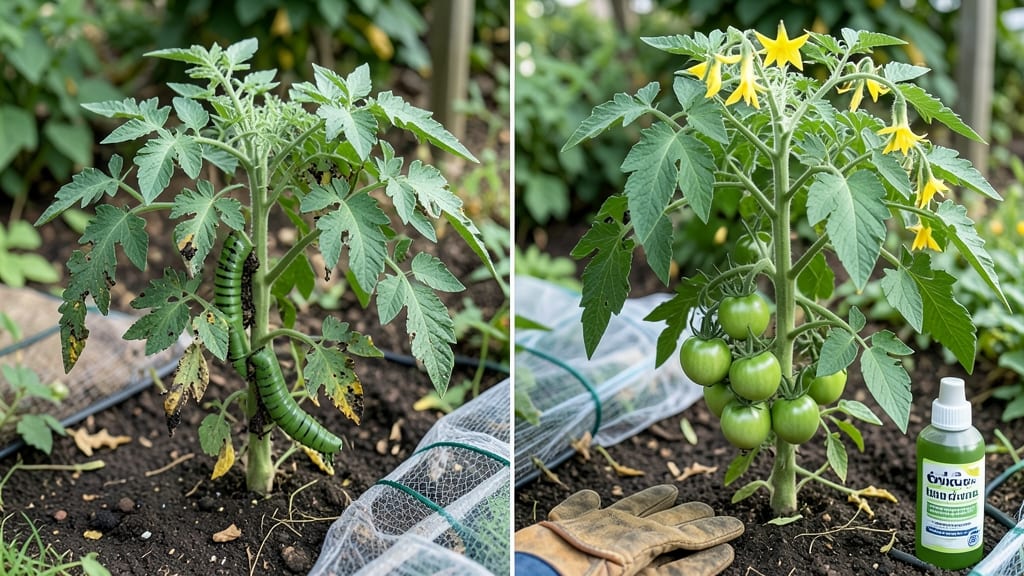
My tomato plants looked perfect until I found half-eaten leaves and missing fruit—something was eating them overnight. 🌱 The culprits range from tiny aphids to massive deer, but the good news is that predator-proof barriers can stop almost anything short of a raccoon raid.
The first step is identifying the attacker: chewed leaves suggest slugs or caterpillars, while deep holes mean deer or rabbits. Once you know who’s dining on your tomatoes, you can choose the right defense—whether it’s row covers for caterpillars or a sturdy fence for larger critters.
With the right barriers in place, you’ll see fewer holes in your leaves and more tomatoes on the vine by midsummer. The key is combining physical protection with companion plants that naturally repel pests. This works for backyard gardens, raised beds, and even container plants. Let’s get those plants protected!
The Hidden Causes Behind Missing Tomato Leaves
If your tomato plants look like they’ve been hit by a buffet of tiny, hungry guests, you’re not alone. 🍅🐛 The damage isn’t always obvious—until half your harvest is gone. But why does this happen?
The answer lies in a mix of environmental factors, plant weaknesses, and sneaky garden pests that turn your tomatoes into an all-you-can-eat salad bar. Let’s break down the science (and the sneaky strategies) behind the feast.
Tomatoes are like the fast-food joints of the garden world—ripe, sweet, and irresistible to critters. When your plants are stressed (from overwatering, drought, or poor soil), they become even more vulnerable. Here’s why:
- Sugar-rich leaves: Under stress, plants produce more sugars to survive, making them taste sweeter to insects like aphids and beetles. 🍭
- Soft, tender growth: Weak stems and leaves are easier for pests to chew through, like a buggy buffet with no resistance.
- Fungal or bacterial infections: Damaged or diseased plants emit volatile organic compounds (VOCs) that actively signal pests like hornworms or slugs to “come and get ‘em.”
Actionable fix: Keep plants healthy with balanced fertilization (high in potassium for strength) and proper watering—consistent moisture beats soggy roots. Prune lower leaves to improve airflow and reduce hiding spots for pests. 🌡️
Not all garden guests are welcome—and some are downright opportunistic thieves. Here’s who’s likely raiding your tomatoes and why they’re so effective:
| Pest | What They Eat | Why They Target Tomatoes |
|---|---|---|
| 🐛 Aphids | New leaves, stems, and flower buds | They love the sap—high in sugars and amino acids. Plus, they’re mobile and reproduce exponentially. |
| 🐛 Colorado Potato Beetles | Leaves (especially young, tender ones) | They detect tomato plants via scent and lay eggs in clusters. Larvae are leaf-munching machines. |
| 🐛 Hornworms | Leaves, stems, and entire fruits | They’re camouflaged (green with white stripes) and grow rapidly, devouring a plant in days. |
| 🐌 Slugs & Snails | Leaves, stems, and ripe fruit | They’re nocturnal and thrive in damp conditions, leaving silver slime trails as evidence. |
| 🐭 Raccoons, Deer, or Birds | Ripe tomatoes (often overnight) | They’re drawn by smell and color—red tomatoes scream “eat me!” to wildlife. |
Pro tip: Identify the culprit first—check for bite marks, frass (insect poop), or trails. Aphids leave sticky residue, while hornworms leave ragged holes. 🕵️♂️
Your garden isn’t just a home—it’s a hotspot for pest activity when conditions are right. Here’s how the weather and terrain play a role:
- Warm, humid nights: Fungal diseases (like early blight) weaken plants, making them easier targets for pests. 🌡️
- Dry, cracked soil: Stressed plants produce more sugars, attracting aphids and whiteflies like a neon sign. 💧
- Poor drainage: Waterlogged roots create perfect conditions for slugs and cutworms to thrive.
- Nearby weeds or compost piles: These act as breeding grounds for pests before they migrate to your tomatoes.
Actionable fix: Improve soil health with compost and mulch to retain moisture and deter pests. Use drip irrigation to avoid wetting leaves (which attracts fungi and slugs). 🌱
Now that you know why your tomatoes are disappearing, the next step is stopping the feast. Up next: Barrier strategies that actually work—from physical guards to plant-based repellents. Stay tuned! 🛡️🍅
Fixing Your Tomato Plant Woes
If your tomato plants are under siege, don’t panic—there’s a battle plan! The key is identifying the culprit and acting fast with targeted solutions. Below, we break down the most common pests and diseases eating your tomatoes, along with practical fixes and prevention tips to keep your plants thriving.
Signs: Jagged, clean bites on leaves and stems, often near the base of the plant. Fix:
- Install a sturdy fence (at least 3 feet tall for rabbits, 8 feet for deer) around your garden. Use hardware cloth (not chicken wire—animals can chew through it!).
- Plant deer-resistant companions like marigolds, garlic, or onions nearby—they mask tomato scents.
- Apply commercial repellents (like Liquid Fence) or make a homemade spray (blend milk + water + cayenne pepper, spray on plants).
Prevention Tip: 💡 Rotate planting spots yearly—deer and rabbits learn patterns!
Signs: Irregular holes in leaves, silvery slime trails at night. Fix:
- Set up beer traps (bury a shallow dish filled with beer—slugs drown in it overnight).
- Use copper tape around pots or garden beds—it gives them a mild electric shock when they crawl over it.
- Handpick at night (use a flashlight and drop them in soapy water).
Prevention Tip: 🌡️ Water in the morning—slugs hide during the day, so evening watering attracts them.
Signs: Chewed leaves, tiny green/black bugs clustered on stems, or tomato hornworms (giant green caterpillars). Fix:
- Spray with neem oil (mix 1 tbsp neem oil + 1 tsp dish soap + 1 quart water—reapply every 5-7 days).
- Introduce beneficial insects like ladybugs or praying mantises—they eat aphids naturally.
- Pick off hornworms by hand (wear gloves!) and drop them in soapy water.
Prevention Tip: ✨ Plant basil or dill nearby—these repel pests and attract predatory wasps.
Signs: Brown spots on leaves, white fuzzy growth, or wilting vines. Fix:
- Prune infected leaves immediately and dispose of them (don’t compost—spreads disease).
- Improve airflow by spacing plants 18-24 inches apart and staking tomatoes to keep foliage off the ground.
- Spray with baking soda solution (1 tbsp baking soda + 1 tsp soap + 1 gallon water) weekly.
Prevention Tip: 🎯 Water at the base (not overhead) and avoid late-season planting—humidity fuels fungal growth.
Signs: Gnawed stems at the soil line, burrows near plants. Fix:
- Use hardware cloth tunnels (bury a wire mesh collar around stems to protect young plants).
- Scatter hot pepper flakes or cayenne pepper around the base—rodents hate the smell.
- Set snap traps (humane, no poison) baited with peanut butter or seeds.
Prevention Tip: 🔥 Clear garden debris—rodents nest in tall grass and leaf litter.
No matter the pest, strong defenses keep tomatoes safe long-term:
- Rotate crops yearly to disrupt pest cycles.
- Mulch with straw (keeps soil moist and deters burrowing pests).
- Plant companion flowers (marigolds, nasturtiums) to confuse pests.
Pro Tip: 💪 Inspect plants weekly—early action stops small problems from becoming disasters!
Final Thought: 🍅 With the right mix of barriers, companions, and quick fixes, your tomato plants can thrive—no more mystery munchers! Try one solution at a time, monitor results, and adjust as needed. Happy gardening!
Frequently asked questions
What are the most common signs that something is eating my tomato plants?
Look for jagged leaf edges (slugs/snails), ragged holes (hornworms), or sticky residue (aphids). Check stems for gnawed marks (rabbits/deer) or silver slime trails (slugs). Early morning inspections reveal fresh damage when pests are most active.
Are there any natural repellents that actually work against tomato pests?
Yes! Try garlic spray (blend 5 cloves + 1 quart water, strain, and spray), chili pepper solution (1 tbsp cayenne + 1 quart water), or crushed marigold petals around plant bases. These disrupt pests' scent trails and irritate their systems without chemicals.
How do I tell if deer are eating my tomatoes vs. rabbits or squirrels?
Deer leave clean, jagged bites (like scissors) on leaves/stems, often near the top of plants. Rabbits chew at soil level and leave 4-6 inch high nibbles. Squirrels target ripe fruit, often leaving half-eaten tomatoes with no leaf damage.
Can I save my tomato plants if they're already heavily damaged?
Prune damaged leaves immediately to redirect energy to new growth. For fungal diseases, remove infected foliage and spray with copper fungicide. If pests are the issue, install barriers ASAP—healthy plants can recover with proper care. Just avoid over-fertilizing stressed plants.
What’s the best time of day to check for tomato plant pests?
Early morning (before 8 AM) is ideal—pests like slugs and caterpillars are sluggish and easier to spot. Check undersides of leaves (where aphids hide) and soil surface (for eggs or burrows). Evening checks reveal nocturnal visitors** like raccoons or snails.