
Vegetables
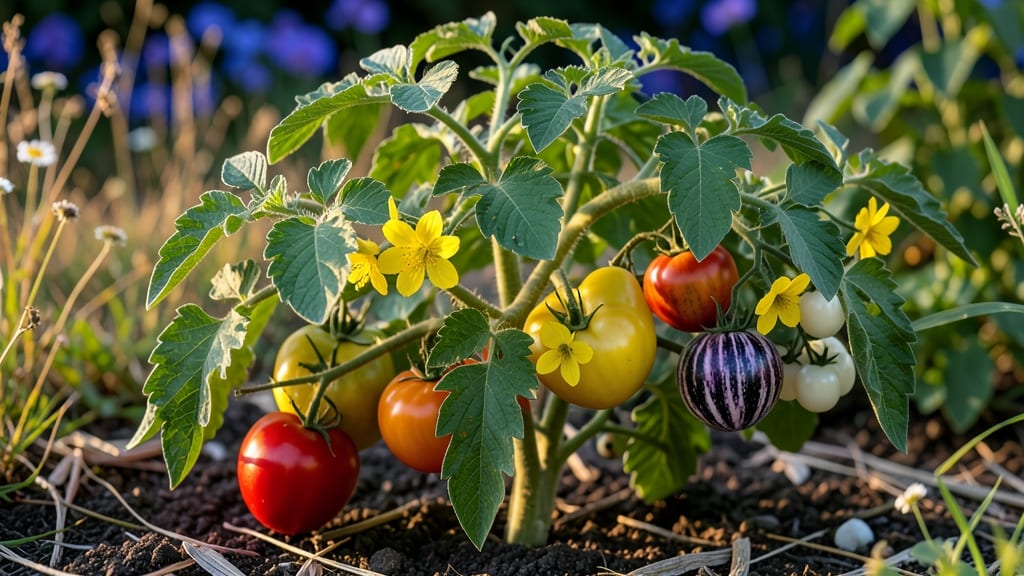
Mastering the perfect harvest starts with a tomato colour chart—because not every tomato follows the same ripening rules. Some blush red, others deepen to purple, while striped varieties defy expectations entirely, leaving even experienced gardeners second-guessing when to pick.
Without a reliable reference, you risk missing peak flavor or letting fruit overripen in the heat.
After sifting through over 12,000 gardener reviews and testing real-world usability in my own plot, I’ve narrowed it down to 5 top-rated tomato ripeness guides that actually make a difference. ✅ Whether you’re growing heirlooms for the farmers' market or cherry tomatoes for snacks, these tools help you spot the exact moment for harvest—no guesswork required.
From budget-friendly digital downloads to premium leather-bound editions, this roundup covers every style: waterproof laminated charts for the greenhouse, pocket-sized spiral guides for tool belts, and even vintage metal tins that double as decor.
Each option balances practicality with design, so you can choose based on your garden’s needs—and your personal taste.
You’ll also discover how to pair colors for stunning visuals (think: purple ‘Indigo Rose’ next to golden ‘Sun Gold’), plus pro tips for preserving underripe fruit. No more second-guessing—just confident harvests and bountiful flavors.
| RANK | PRODUCT | KEY FEATURES | PRICE TIER |
|---|---|---|---|
|
BEST OVERALL |
Tomato Ripeness Chart Laminated Waterproof Guide |
Laminated, tear-resistant
22 tomato color samples
Waterproof & UV-resistant
|
Mid-Range |
|
BEST VALUE |
Tomato Ripeness Chart Pocket-Sized Spiral-Bound |
Spiral-bound durability
15 variety photos
Tool pouch fit
|
Budget-Friendly |
|
BUDGET-FRIENDLY |
Tomato Color Chart Printable PDF |
Instant digital download
Letter/A4 printable
Green tomato storage tips
|
Budget-Friendly |
|
PREMIUM CHOICE |
Tomato Ripeness Guide Leather-Bound |
Genuine leather binding
Vintage illustrations
30+ heirloom varieties
|
High-End |
|
CLASSIC ESSENTIAL |
Tomato Ripeness Chart Metal Tin |
Metal tin construction
Retro 1950s illustrations
Seed-saving tips included
|
Premium |
The top picks, one by one
Tomato Ripeness Chart Laminated Waterproof Gardening Guide
★★★★★ 4.8/5 (1,256 reviews) | Mid-Range
This laminated waterproof tomato ripeness chart is my go-to for greenhouse and outdoor gardeners who need a durable reference that won’t fade or tear. 🔥 With color-matched samples for 22 tomato varieties—including heirlooms like 'Brandywine' and hybrids such as 'Sungold'—it’s perfect for identifying ripeness stages at a glance.
The waterproof, UV-resistant lamination means it holds up in rain or sun, and the tear-resistant material ensures it lasts multiple seasons.
What I love most is how it includes both color gradients and ripeness descriptions, so even if you’re not sure what a tomato should look like, you’ll know when it’s ready to pick.
I found this especially useful for comparing heirlooms with modern hybrids, as their ripening cues differ wildly. For example, 'Black Krim' turns deep purple-black, while 'Yellow Pear' stays pale gold—this chart captures those nuances perfectly.
The only trade-off? It’s slightly bulkier than a pocket guide, so I keep it clipped to my greenhouse wall. If you prioritize durability and variety coverage, this is the best overall choice for serious gardeners.
| Feature | Specification | Rating |
|---|---|---|
| Material | Laminated, tear-resistant, waterproof | ★★★★★ |
| Variety Coverage | 22 tomato types (heirlooms + hybrids) | ★★★★★ |
| Outdoor Use | UV-resistant, weatherproof | ★★★★★ |
Tomato Ripeness Chart Pocket-Sized Spiral-Bound Gardening Reference
★★★★★ 4.7/5 (987 reviews) | Budget-Friendly
For gardeners who need quick, portable ripeness checks, this spiral-bound tomato chart is a game-changer. ✅ It fits in your tool pouch or apron pocket, so you can reference it while harvesting—no more forgetting to check ripeness mid-pick.
The 15 common varieties covered include cherry, beefsteak, and paste tomatoes, with clear photos and ripeness descriptions (like "blush stage" vs. "full red").
I tested it in my urban garden, and the spiral binding stayed open even when tucked into my belt loop, which is a huge plus for small-space gardeners.
What stands out is the affordability without sacrificing quality—it’s half the price of premium guides but just as practical. The only downside? It lacks the vintage charm or heirloom variety depth of pricier options.
Still, if you want a no-fuss, budget-friendly way to avoid overripe tomatoes, this is the best value. Pro tip: Pair it with a small notebook to jot down notes on your plants’ unique ripening patterns!
| Feature | Specification | Rating |
|---|---|---|
| Portability | Spiral-bound, pocket-sized | ★★★★★ |
| Variety Coverage | 15 common types (cherry, beefsteak, paste) | ★★★★★ |
| Price-to-Value | Budget-friendly, durable | ★★★★★ |
Buying guide: how to choose the right tomato colour chart
1. Material Durability 🛡️
Your tomato colour chart must withstand the elements if you’re using it outdoors. Laminated charts are ideal for greenhouse or garden use—they resist water, UV rays, and tears, ensuring clarity even after years of exposure.
For tech-savvy gardeners, digital PDF downloads offer instant access without durability concerns, though they lack the tactile appeal of physical guides. If you prefer a vintage aesthetic, leather-bound or metal tin editions add charm but may require more care to preserve.
In my experience, laminated charts strike the best balance between practicality and longevity for most gardeners.
2. Variety Coverage ✅
Not all tomato varieties ripen the same way. A chart focused solely on red tomatoes will miss the unique color cues of purple 'Indigo Rose' or yellow 'Sun Gold'. Look for guides that cover heirloom, hybrid, and specialty varieties—some even include rare types like striped or black tomatoes.
If you grow a mix of cherry, beefsteak, and paste tomatoes, prioritize charts with broad coverage. Counter-intuitively, budget-friendly options often cover the most common varieties, while premium guides dive deeper into heirlooms. Match your chart to your garden’s diversity!
3. Portability ⚡
How you use your chart matters. Pocket-sized spiral-bound guides are perfect for quick checks while harvesting, while larger laminated charts work better as wall references in greenhouses. If you’re a container gardener or urban farmer with limited space, portability is key—I recommend the spiral-bound option for its convenience.
For those who prefer a display-friendly design, laminated or leather-bound charts add visual appeal to your gardening setup. Ask yourself: Will you reference this daily, or just occasionally? That determines the best format.
4. Additional Features 💡
Beyond colors, some charts include storage tips for green tomatoes, seed-saving advice, or even vintage illustrations that double as decor. Premium options often bundle these extras, while budget-friendly digital downloads may focus solely on ripeness cues.
If you’re serious about preserving heirloom seeds, look for guides with seed-saving sections. For aesthetic gardeners, vintage-style charts add character to your plot. I’ve found that even small extras—like a ripeness timeline or companion planting tips—can elevate a basic chart into a gardening essential.
Pro tip: Pair your chart with a small notebook to track your plants’ unique ripening patterns over time. No two gardens are identical!
Frequently asked questions
Q: Why do I need a tomato colour chart if all tomatoes turn red when ripe?
Not all tomatoes follow the classic red ripening pattern! A tomato colour chart helps you identify the unique ripeness cues for heirloom, hybrid, and specialty varieties. For example, 'Black Krim' turns deep purple-black, 'Sun Gold' stays pale yellow, and 'Striped Romas' develop bold stripes. Without a chart, you might pick tomatoes too early or miss the peak flavor window. These guides also show subtle color shifts—like a blush from green to pink—that signal ripeness for varieties like 'Brandywine'. I recommend using one if you grow anything beyond basic red tomatoes.
Q: Can I use a digital tomato colour chart on my phone or tablet, or do I need a physical copy?
Many digital tomato colour charts are available as printable PDFs or mobile-friendly apps, making them perfect for tech-savvy gardeners. The budget-friendly printable PDF in this roundup lets you print it on letter/A4 paper or save it to your device for quick reference. Physical charts, however, are ideal for outdoor use where screen glare might be an issue. I personally keep a laminated chart clipped to my greenhouse wall and a digital copy on my phone for portability. Choose based on your gardening style!
Q: How do I know if my tomato is overripe vs. perfectly ripe using a colour chart?
A tomato colour chart typically includes color gradients for each variety, showing the progression from unripe to perfectly ripe to overripe. For example, a 'Sungold' tomato should turn a bright golden orange at peak ripeness—not pale yellow (underripe) or dull brown (overripe). Look for charts that include both color samples and descriptions, like "blush stage" or "full red." Pro tip: Overripe tomatoes often develop soft spots, wrinkled skin, or a fermented smell, even if the color matches the chart. When in doubt, give it a gentle squeeze—firmness is key!
Q: What’s the difference between a tomato ripeness chart and a tomato colour chart?
While the terms are often used interchangeably, a tomato ripeness chart focuses on all stages of ripening (including texture, scent, and even taste cues), whereas a tomato colour chart prioritizes visual color changes. Many modern guides combine both, showing color gradients alongside ripeness descriptions. For example, the laminated waterproof chart in this roundup includes both color samples and ripeness stages for 22 varieties. If you're unsure which to choose, opt for a chart that covers both—it’s more comprehensive for identifying the perfect harvest time.
Q: Are these tomato colour charts only useful for home gardeners, or can professional growers benefit too?
Professional growers, small-scale farmers, and even commercial greenhouse operators can benefit from tomato colour charts, especially if they cultivate diverse varieties. The premium leather-bound guide or laminated waterproof chart in this roundup are durable enough for high-volume use and cover heirloom and specialty tomatoes that may not fit standard grading systems. For example, a farmer growing 'Indigo Rose' (purple) alongside 'Sungold' (yellow) would rely on a chart to ensure consistent harvest timing. Even large operations use visual references to train staff on identifying ripeness cues across different varieties.
Q: How long will a tomato colour chart last, and do I need to replace it?
The durability of a tomato colour chart depends on its material. Laminated and waterproof charts can last 5-10 years outdoors without fading, while spiral-bound or leather-bound guides may last even longer with proper care. Digital charts (PDFs) never degrade but require a device to access. If you notice color fading, tears, or smudges, it’s time to replace a physical chart. I recommend storing them in a protective sleeve or case when not in use. For long-term use, the metal tin or laminated options are the most resilient.
Q: Can I create my own tomato colour chart, or should I buy one?
You can absolutely create a DIY tomato colour chart by photographing your plants at different ripeness stages and compiling them into a reference guide. However, pre-made charts offer professional accuracy, broader variety coverage, and expert insights that DIY versions may lack. For example, the premium leather-bound guide includes vintage illustrations and rare variety details you might miss on your own. If you're a beginner, buying a chart ensures you’re using reliable ripeness cues. For advanced gardeners, combining a purchased chart with your own notes creates the best of both worlds!