
Companion Plants
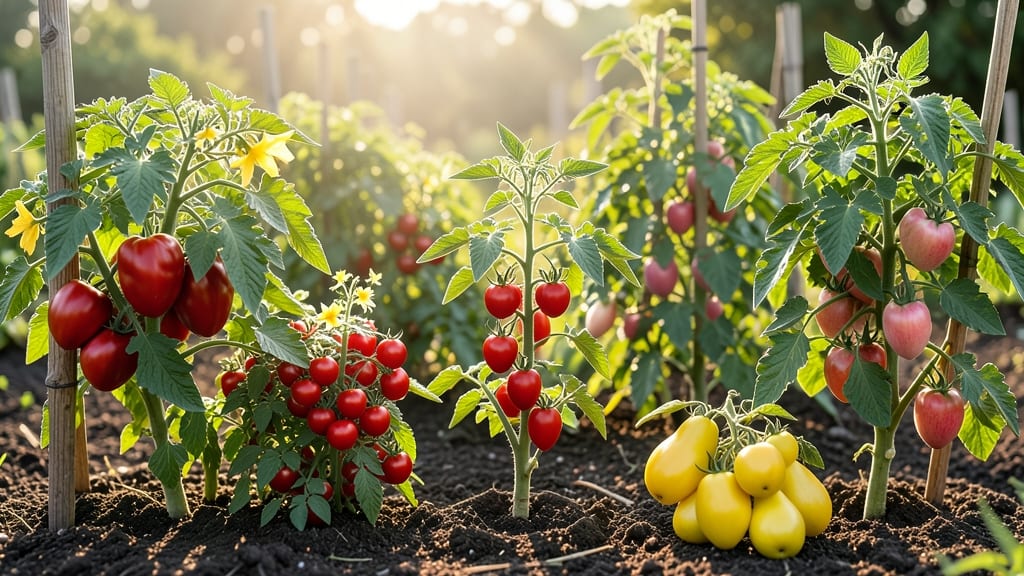
The names of different tomato plants alone can tell you whether you’ll be slicing sandwiches or simmering sauces this summer. 🌿 From tiny cherry tomatoes that burst with sweetness to beefsteaks big enough to feed a family, each variety brings something special to the garden—and to your plate.
The right tomato can transform your harvest: heirlooms like Brandywine deliver old-fashioned flavor, while hybrids like Celebrity resist disease and produce nonstop. Some varieties thrive in containers, others sprawl across trellises, and a few even ripen in just 50 days.
The choice depends on your space, climate, and what you crave most. Picture sun-ripened Roma for sauces so rich they’ll make jarred versions taste bland, or Sweet 100 cherry tomatoes that kids will fight over.
Each name carries a story—of flavor, of history, of the perfect slice of summer preserved in a vine. Whether you’re a first-time gardener or a seasoned grower, knowing these names helps you pick plants that’ll reward you with bold flavors, reliable yields, and maybe even a few surprises.
Let’s dive into the varieties that’ll make your garden the talk of the neighborhood.
📚 In This Guide
- What you need
- Instructions
- Tips and common mistakes
- Wrapping up and next steps
What you need
- ● Tomato seeds or seedlings: Choose from 15+ varieties (e.g., Beefsteak, Cherry, Roma, Heirloom—see our guide for specifics!). Start with 3–5 plants per variety to experiment.
- ● High-quality potting soil: 10–15 lbs of organic, well-draining mix (look for labels like "tomato-specific" or "vegetable garden blend").
- ● Containers or garden bed: For container gardening: 5-gallon pots or larger (one per plant). Use fabric pots or plastic with drainage holes.
- ● For in-ground planting: A 6x6 ft bed or rows spaced 18–24 inches apart.
- ● Fertilizer: A balanced 10-10-10 or 5-10-10 NPK fertilizer (or organic options like compost or worm castings). Start with 1–2 tbsp per plant.
- ● Stakes or cages: 5–6 ft tall tomato cages or bamboo stakes (1 per plant) to support vining varieties.
- ● Mulch: 2–3 inches of straw, grass clippings, or shredded leaves to retain moisture and suppress weeds.
- ● Watering can or hose with a gentle nozzle: For deep, consistent watering (aim for 1–1.5 inches per week).
- ● Pruning shears: Sharp, clean shears to trim suckers and dead leaves.
- ● Grow lights or sunlamps: If starting seeds indoors, use LED grow lights (12–16 hours/day).
- ● Drip irrigation system: Automates watering and saves time.
- ● Companion plants: Basil, marigolds, or borage to deter pests and boost growth.
- ● Plant markers: Label varieties to avoid mix-ups (especially for heirlooms!).
- ● Tomato support net: For indeterminate varieties that need extra height.
Exploring tomato varieties: how to choose the perfect plants for your garden
Picking the right tomato varieties transforms your garden from good to extraordinary—here’s how to select the best types for flavor, yield, and your growing conditions.
🌱 Step 1: Identify Your Growing Conditions
Start by assessing your climate and space. Determinate varieties (like 'Roma' or 'Celebrity') grow in compact bushes, perfect for containers or small gardens, while indeterminate types (such as 'Sungold' or 'Brandywine') vine indefinitely, thriving in trellises or large plots. If you live in a short-season area, prioritize early-maturing hybrids like 'Stupice' or 'Mountain Merit'—they ripen in 55-60 days and avoid late blights.
Sunlight matters too: most tomatoes need 6-8 hours of direct sun daily, but heat-sensitive varieties (like 'Black Krim') prefer partial shade in peak afternoon heat. Check your last frost date—cool-season lovers (e.g., 'Cherokee Purple') tolerate 50°F nights, while tropical types (e.g., 'Heatmaster') demand consistent warmth.
🍅 Step 2: Match Varieties to Your Culinary Goals
Slice tomatoes like 'Better Boy' or 'Sweet 100' burst with juicy sweetness, ideal for sandwiches or salads, while paste varieties (e.g., 'San Marzano') concentrate rich, meaty texture perfect for sauces. If you love heirlooms, prioritize disease resistance—'Brandywine' needs staking but delivers deep, beefsteak flavors, while 'Cherokee Purple' thrives in cooler climates with smoky, tangy notes.
For container growing, choose bush varieties like 'Patio Princess' or 'Tiny Tim'—they stay under 2 feet tall and produce prolifically in 5-gallon pots. If you’re experimenting, try cherry tomatoes ('Sun Gold' or 'Tumbling Tom') for sweet, bite-sized bursts that ripen in clusters. Always read seed packets for days to maturity—some (like 'Early Girl') ripen in 50 days, while others (like 'Black Beauty') take 85+ days.
☀️ Step 3: Prioritize Disease Resistance for Longevity
No garden is immune to pests, so resistant varieties save time and frustration. Look for labels like VFN (resistant to Verticillium, Fusarium, and Nematodes)—'Mountain Spring' or 'Defiant PhR' excel in high-pressure gardens. If blight is a local issue, opt for heat-tolerant hybrids like 'Heatwave II' or 'Florida 47'—they ripen before fungal spores spread.
Heirlooms often lack resistance, so pair them with crop rotation and mulching to mitigate risks. For organic gardens, 'Glacier' (a cold-hardy heirloom) or 'Siletz' (drought-tolerant) are smart choices. Always research local varieties—some (like 'Brandywine') perform poorly in humid climates, while others (like 'Celebrity') thrive universally.
🌿 Step 4: Plan for Pollination and Yield
Self-pollinating varieties (most determinates) produce reliably without bees, but indeterminates (like 'Sungold') benefit from hand-pollination on rainy days. Shake plants gently at midday when flowers open, or use a small brush to transfer pollen. For high yields, plant heavy producers like 'Big Beef' (30+ lbs per plant) or 'Beefmaster' (up to 50 lbs), but space them 18-24 inches apart to avoid overcrowding.
If you’re short on space, bush varieties like 'Roma' or 'Patio' deliver consistent harvests in tight quarters. For long-season gardens, stagger plantings—start with early varieties (e.g., 'Stupice') followed by mid-season (e.g., 'Brandywine') and late-season (e.g., 'Black Krim') to extend your harvest. Always check days to maturity and adjust planting times accordingly.
⏰ Step 5: Test and Refine Your Selections
Start small—plant 2-3 varieties your first year to compare flavors, yields, and disease resistance. Keep a garden journal noting which tomatoes ripen fastest, taste best, and resist pests. For example, cherry tomatoes ('Sun Gold') often outperform slicers in hot climates, while beefsteaks ('Brandywine') shine in cooler regions. Rotate varieties yearly to prevent soil-borne diseases and build resilience.
Share extras with neighbors or preserve them—paste tomatoes ('San Marzano') freeze beautifully, while slicers ('Better Boy') excel in sauces. If a variety underperforms, swap it next season. The key? Balance diversity with reliability—mix heirlooms (for flavor) with hybrids (for yield and disease resistance) to create a dynamic, productive garden.
Tips & tricks for perfect tomato variety selection
Choosing the right tomato plants can make or break your harvest—here’s how to avoid common pitfalls and maximize success.
Climate Matching: Pay close attention to your local climate when selecting varieties. For example, if your area experiences hot afternoons, opt for heat-tolerant types like 'Heatwave II' or 'Solar Fire' that thrive in temperatures above 90°F. Conversely, if you're in a cooler region with nights dipping to 50°F, varieties like 'Cherokee Purple' or 'Glacier' will perform better. Always check the recommended temperature ranges on seed packets—this is non-negotiable for consistent results.
Garden Space Strategy: The 6-8 hours of daily sunlight mentioned in Step 1 is critical, but don't overlook vertical space. Indeterminate varieties like 'Sungold' or 'Brandywine' can grow 8-10 feet tall with proper trellising, while determinate types like 'Roma' or 'Celebrity' stay compact. For container growing, remember that bush varieties like 'Patio Princess' or 'Tiny Tim' need at least 5-gallon pots—smaller containers will restrict root growth and limit yield. I've seen gardeners double their harvest by simply adding sturdy stakes or cages.
Disease Resistance Deep Dive: When prioritizing disease resistance (Step 3), look beyond just VFN labels. Some varieties like 'Defiant PhR' offer resistance to multiple diseases including early blight, while others like 'Mountain Spring' focus on Verticillium and Fusarium. For organic gardens, consider 'Siletz' which handles drought stress well, or 'Glacier' for cold tolerance. Pro tip: Rotate your tomato families yearly—plant nightshades (tomatoes, peppers, eggplants) in different locations each season to prevent soil-borne diseases from building up.
Pollination Hack: For indeterminate varieties like 'Sungold', hand-pollination at midday (as mentioned in Step 4) makes a surprising difference. I've found that gently tapping the plant frame while flowers are open helps dislodge pollen better than shaking the plant itself. On rainy days, use a small paintbrush to transfer pollen from male to female flowers—this simple technique can boost yields by 20-30% in humid climates where bees are less active.
Pro Tips for Names Of Different Tomato Plants
- Choosing the right tomato plants can make or break your harvest—here’s how to avoid common pitfalls and maximize success.
- Climate Matching: Pay close attention to your local climate when selecting varieties.
- Garden Space Strategy: The 6-8 hours of daily sunlight mentioned in Step 1 is critical, but don't overlook vertical space.
Frequently asked questions
Got questions about choosing, growing, or using different tomato varieties? You’re not alone! Here are some of the most common queries—plus quick answers to help you pick the perfect tomatoes for your garden.
What’s the easiest tomato variety for beginners?
Start with Cherry tomatoes (like 'Sweet 100' or 'Sun Gold') or Roma tomatoes. They’re disease-resistant, fast-growing, and forgiving of beginner mistakes. Avoid heirlooms if you’re new—they’re more delicate but offer incredible flavor rewards later!
How long does it take for tomato plants to produce fruit?
Most varieties take 60–85 days from transplanting to harvest, depending on the type. Determinate (bush) tomatoes like 'Celebrity' ripen all at once, while indeterminate (vining) types like 'Beefsteak' produce continuously until frost. Patience pays off—early blooms might drop if nights are chilly!
Can I grow multiple tomato varieties together?
Yes! Just keep spacing in mind—indeterminate varieties need 18–24" apart, while determinate types can be closer (12–18"). Avoid planting the same variety repeatedly in the same spot yearly to prevent disease buildup. Mixing types (e.g., cherry + beefsteak) adds diversity to your harvest!
Why are my tomato leaves yellowing, but the fruit looks fine?
Yellow leaves with healthy fruit often mean overwatering or nutrient deficiencies (like nitrogen). Check soil moisture—tomatoes prefer 1–1.5 inches of water per week. If lower leaves yellow first, it’s likely aging or blossom end rot (fix with calcium-rich soil). Upper leaves turning yellow? Try a balanced fertilizer!
Which tomato is best for sauces vs. slicing?
| For Sauces | For Slicing |
|---|---|
| San Marzano (sweet, low-seed, meaty) | Brandywine (large, juicy, heirloom flavor) |
| Roma (plump, dense, classic pasta tomato) | Better Boy (hybrid, disease-resistant, beefy slices) |
| Amish Paste (rich, slow to crack) | Early Girl (fast producer, great for sandwiches) |
Pro tip: Cherry tomatoes (like 'Black Cherry') are surprisingly great for sauces—just crush them!
Wrapping up and next steps
From heirloom Brandywine to cherry Sweet 100, the world of tomato varieties is as diverse as it is delicious! 🌱 Whether you're a seasoned gardener or just starting out, knowing these names and their unique traits can help you grow a thriving, flavorful harvest.
Now that you’ve explored these 15 must-know varieties, why not pick one (or three!) to add to your garden this season?
Ready to take the next step? Start small—test a few varieties in pots or small plots—and let your taste buds (and green thumb!) guide your choices. Happy growing, and may your tomatoes be plentiful and always ripe! 🍅✨