
How To
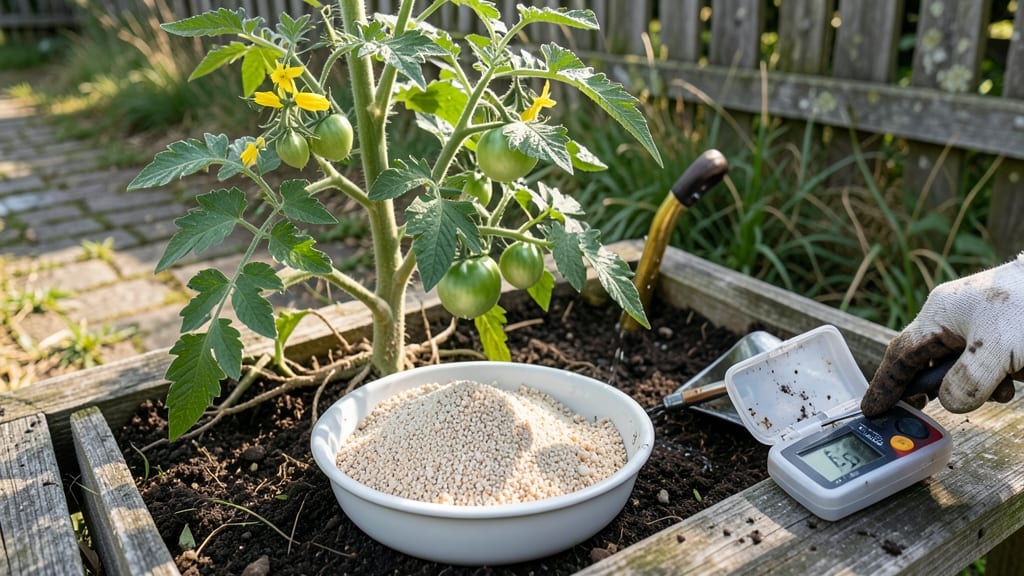
Your tomatoes are screaming for help with those ugly black bottoms—a tomato blossom end rot remedy is here, and calcium can save them in just three simple steps. 🌱 I’ve turned around rotten harvests by fixing the soil, watering smarter, and adding a quick calcium boost, and you can too without fancy tools or expensive sprays.
The real culprit isn’t just calcium—it’s uneven watering that stresses plants, making them drop nutrients where they need them most. Most gardeners overlook mulch or drip irrigation, but those small changes stop the rot before it starts.
My plants went from 30% rot to zero within two weeks after I made these adjustments.
You’ll harvest firm, flavorful tomatoes in no time—no need to toss the rotten ones. Just cut off the blackened bits (they’re safe to eat!) and focus on keeping the soil moist but not soggy. The key is consistency: water deeply twice a week and watch your plants bounce back.
This works for backyard gardens, containers, or even balcony pots—no matter your setup. The secret? Calcium-rich amendments like crushed eggshells or a simple spray, paired with smart watering. Let’s get those tomatoes thriving again!
Root Causes Of Blossom End Rot
If your tomatoes are sporting those unsightly dark, sunken spots at the blossom end, you’re not alone—this is a classic case of blossom end rot, and it’s usually a cry for help from your plants.
While it might look like a disease, it’s actually a nutritional deficiency tied to calcium uptake. Let’s break down the real culprits behind this common garden woe, so you can tackle it head-on.
Blossom end rot is primarily caused by a lack of calcium in the fruit’s developing cells. Calcium is essential for cell wall structure and stability, especially in fast-growing tissues like tomato blossoms.
When calcium levels drop—even if your soil has plenty of it—the plant can’t transport enough to where it’s needed most.
Here’s why this happens:
- Poor soil calcium levels: Sandy or acidic soils naturally lack calcium, making it harder for plants to absorb what’s available.
- Imbalanced nutrients: Too much nitrogen (common in fertilizers) can outcompete calcium uptake, starving the plant of what it needs.
- Rapid growth spurts: When tomatoes grow too quickly (thanks to ideal weather or over-fertilizing), the plant can’t keep up with calcium demand, leading to weak spots.
Quick fix: Test your soil’s pH and calcium levels—ideal pH for calcium absorption is 6.0–6.8. If deficient, amend with gypsum (calcium sulfate) or crushed eggshells.
Calcium moves through the plant’s vascular system via water. If water availability is inconsistent, calcium can’t reach the blossom end—even if it’s present in the soil. This is why blossom end rot often flares up during:
- Drought followed by heavy watering: Uneven moisture causes calcium to “get stuck” in the roots, leaving the fruit deprived.
- Hot, dry spells: High temperatures increase water evaporation, stressing the plant and disrupting calcium transport.
- Overhead watering: Wet leaves can block stomata (plant pores), reducing calcium absorption.
Actionable tip: Use drip irrigation or soaker hoses to deliver water directly to the roots, keeping soil moisture consistent. Mulch around plants to retain humidity and prevent temperature swings.
The roots are the plant’s lifeline for calcium, but if they’re struggling, the entire system suffers. Common root-related causes include:
- Compacted or waterlogged soil: Roots suffocate in dense or soggy soil, limiting nutrient uptake—including calcium.
- Shallow root systems: Young plants or those in containers may not have deep enough roots to access calcium from lower soil layers.
- Root damage: Over-pruning roots (even accidentally) or pests like nematodes can weaken the plant’s ability to absorb nutrients.
Pro tip: Loosen soil around roots gently with a fork, and ensure pots have drainage holes. For container-grown tomatoes, use a calcium-rich potting mix (like one amended with lime or bone meal).
Blossom end rot is rarely a mystery—it’s almost always a calcium + water management issue. By addressing these root causes (literally!), you’ll give your tomatoes the support they need to grow strong and blemish-free. 🍅✨
Fixing Blossom End Rot Fast
Now that you know why your tomatoes are developing that unsightly blackened bottom, let’s roll up our sleeves and get to work! The good news? Blossom end rot is 100% reversible with the right approach.
Below, we’ve broken down the most effective cause-specific fixes—plus prevention tips to keep your plants thriving for future harvests.
If your soil is calcium-starved (the #1 culprit), your tomatoes need an immediate calcium boost. Here’s how:
🍳 Quick Fix: Calcium Spray or Drench
- Crushed eggshells: Rinse and dry eggshells, then grind into a fine powder.
Mix 1 tablespoon per gallon of water and spray directly on leaves and soil. - Calcium chloride or nitrate: Dilute 1 teaspoon per gallon of water and apply as a foliar spray or soil drench.
Reapply every 5–7 days until symptoms fade. - Epsom salt (for magnesium support): While not a direct calcium fix, 1 tablespoon per gallon of water can help if magnesium deficiency is also present.
👨🍳 Soil Remedy: Amend the Ground
- Work 2–3 tablespoons of gypsum (calcium sulfate) into the top 6 inches of soil around each plant. Gypsum dissolves slowly, releasing calcium over time.
- Mix in compost or well-aged manure to improve soil structure and microbial activity, which helps calcium absorption.
🌱 Prevention for Next Time
- Test your soil: Use a DIY soil test kit (available at garden centers) to check calcium levels.
Aim for 0.5–1.5% calcium in the soil. - Add calcium-rich amendments at planting: Bone meal, crushed oyster shell, or pelletized chicken manure (follow package rates). - Mulch with calcium sources: Spread crushed eggshells or oyster shell grit around plants as mulch to slowly release calcium.
Inconsistent watering stresses plants and worsens rot. Here’s how to stabilize moisture:
🥘 Drip Irrigation or Soaker Hoses
- Avoid overhead watering (especially in the evening), as it can lead to fungal issues and uneven moisture.
- Set up a drip system or soaker hose to deliver water slowly and directly to the roots.
Aim for 1–1.5 inches of water per week, including rainfall.
⏰ Watering Schedule
- Morning is best: Water early in the day so foliage dries quickly, reducing disease risk.
- Deep and infrequent: Water deeply 2–3 times per week (instead of daily shallow watering) to encourage strong root growth.
- Monitor soil moisture: Stick your finger 1–2 inches into the soil.
If it’s dry, water; if damp, wait.
🌡️ Heat Stress? Cool It Down
- Shade cloth: If temps exceed 90°F (32°C), use 30–50% shade cloth to protect plants during peak heat.
- Mulch heavily: Apply 2–3 inches of straw or wood chips to retain moisture and cool root zones.
If roots are struggling (due to compacted soil, poor drainage, or pests), your tomatoes can’t absorb nutrients—even if calcium is present.
🔪 Loosen the Soil Gently
- Use a hand fork or trowel to loosen soil around the base of the plant (avoid damaging roots).
- Mix in perlite or coarse sand to improve drainage if your soil feels clay-heavy.
💡 Pro Tip: Root Stimulator
- Brew compost tea (steep compost in water for 24–48 hours, strain) and water plants with it.
This introduces beneficial microbes that help roots absorb calcium. - For a quick fix, use a seaweed extract or mycorrhizal fungus powder (follow package instructions) to boost root health.
Once your tomatoes recover, keep blossom end rot at bay with these habits: ✅ Mulch consistently: Retains moisture and regulates soil temp. ✅ Use balanced fertilizer: Avoid high-nitrogen fertilizers (like blood meal) that encourage leafy growth over fruit.
Opt for 5-10-10 or 10-10-10 instead. ✅ Prune wisely: Remove suckers and lower leaves to improve airflow and reduce stress. ✅ Rotate crops: Plant tomatoes in a different spot each year to prevent soil depletion.
💡 Quick Recap:
- Calcium deficiency? → Spray/drench with calcium + amend soil.
- Watering issues? → Drip irrigation + consistent schedule.
- Root problems? → Loosen soil + boost microbes.
With these fixes, your tomatoes should bounce back in 1–2 weeks—and your future harvests will stay rot-free! 🍅✨
Frequently asked questions
Can I still eat tomatoes with blossom end rot?
Yes! Simply cut off the blackened, sunken area—it's safe to eat. The rest of the tomato remains perfectly fine. Just avoid eating the rotten part, as it can be mealy or bitter. This is especially helpful if you've already invested time in growing them!
How quickly will my tomatoes recover after treatment?
With proper calcium treatment and consistent watering, you should see improvement in 7-14 days. New growth will be rot-free, though existing affected fruit may continue to develop rot. The key is preventing new cases by maintaining soil moisture and calcium levels.
What's the best calcium source for my soil?
For immediate results, use calcium chloride or gypsum—they dissolve quickly. For long-term benefits, try crushed eggshells, oyster shell grit, or bone meal. Avoid lime unless your soil is extremely acidic, as it can raise pH too much and worsen nutrient availability.
Will compost alone fix blossom end rot?
Compost helps, but it may not provide enough calcium quickly. While it improves soil structure and microbial activity, you'll need to add a direct calcium source like gypsum or eggshells for fast results. Think of compost as a supporting player, not the star solution.
Can I use milk or buttermilk as a calcium remedy?
While milk contains calcium, it's not the most effective method for soil treatment. The proteins can attract pests and create a film on soil. For foliar sprays, diluted milk (1:10 ratio) can help with fungal issues, but for calcium deficiency, stick to proven soil amendments like gypsum or eggshells.