
How To
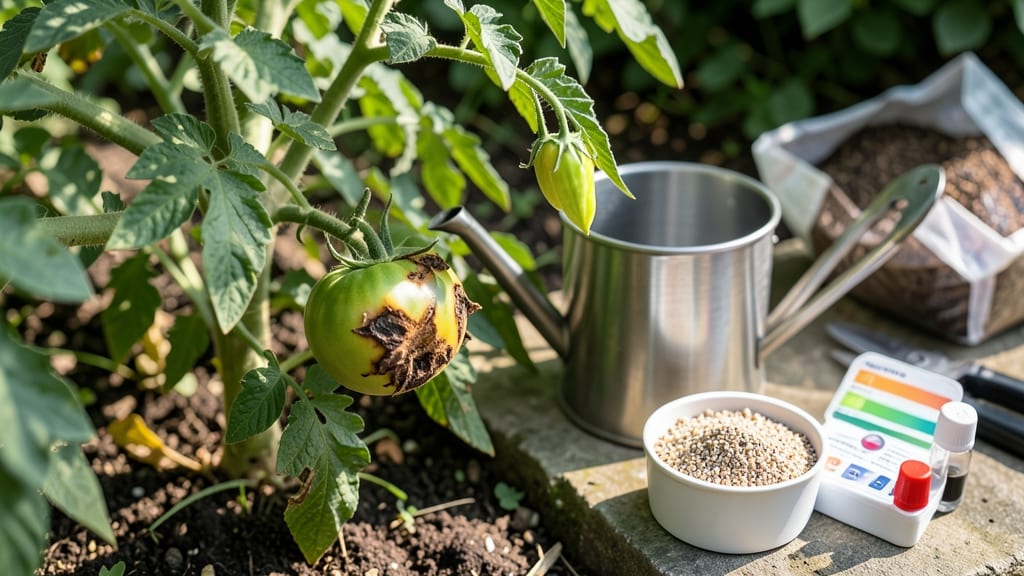
My tomato plants were dropping blossoms like it was raining—until I discovered this tomato blossom rot remedy that actually works without copper sprays. 🌱 The frustration of watching flowers fall before fruiting hit me hard last summer, but these simple fixes saved my harvest.
Blossom rot happens when calcium levels drop or watering gets erratic—think sudden droughts followed by deep soaks. The fix starts with crushed eggshells (yes, from your kitchen) worked into the soil, plus consistent watering at the base, never overhead. Mulch helps too, keeping roots cool and moisture steady.
Within weeks, your plants will start setting fruit instead of dropping blossoms. The first tomatoes appear firmer, with fewer cracked or deformed fruits—proof the remedy works. And the best part? No harsh chemicals, just household staples and a little patience.
This method works for container tomatoes too, and prevents future rot when you rotate crops yearly. Let’s turn those dropped blossoms into a bountiful harvest!
Root Causes Of Blossom Drop
Tomato blossom rot—when flowers fall off before setting fruit—is frustrating, but understanding the why behind it is the first step to prevention. This issue isn’t just about watering habits (though that’s a big factor).
It’s a complex interplay of environmental stress, plant biology, and even the timing of your garden’s life cycle. Let’s break down the real culprits causing those blossoms to drop prematurely.
Tomatoes are heavy feeders, but they’re especially sensitive to calcium during fruit development. When calcium levels drop—often due to uneven watering, high nitrogen fertilizer, or poor soil structure—your plant can’t transport enough of this mineral to developing blossoms. Without calcium, cell walls weaken, and the blossoms abort before forming fruit.
- Why it happens: Calcium is not mobile in the plant. If roots can’t absorb enough (due to dry soil or compacted roots), older leaves get it first, starving new growth.
- Key trigger: Fluctuating moisture—watering deeply one day and letting soil dry out the next—disrupts calcium uptake.
- Tell-tale sign: Blossoms drop within 24–48 hours of stress, often on the hottest days.
💡 Pro Tip: Test your soil’s calcium levels (or use a simple at-home kit). Aim for a pH between 6.0–6.8—acidic soil locks out calcium. If your soil is sandy or high in potassium, calcium leaches away faster.
Tomatoes are tropical plants at heart—they thrive in warmth but hate sudden temperature swings. Blossoms drop when nights dip below 55°F (13°C) or days exceed 90°F (32°C) for prolonged periods. Extreme heat causes pollination failure, while cold shocks halt flower development entirely.
- Why it happens:
- Heat stress: High temps reduce pollen viability, so even if flowers open, they won’t set fruit.
- Cold stress: Enzymes in the plant slow down, preventing calcium and nutrient transport to blossoms.
- Key trigger: Sudden changes—like a cold front after a heatwave—are worse than steady conditions.
- Tell-tale sign: Blossoms turn brown or black at the base before dropping, or they simply wilt and fall without opening.
🌡️ Pro Tip: Use shade cloth (30–50%) during heatwaves or row covers for early-season cold snaps. Mulch with straw to keep soil temps stable—consistency is key.
Tomatoes rely on vibrations and wind to transfer pollen from male to female flower parts. If pollination fails, blossoms drop without forming fruit. This happens most often in greenhouse-grown tomatoes, rainy seasons, or when plants are stressed.
- Why it happens:
- Humidity issues: Heavy rain or high humidity washes away pollen or makes flowers too sticky for proper transfer.
- Bee/pollinator absence: In greenhouses or urban areas, lack of bees means manual pollination is needed.
- Weak stems: Overly lush, nitrogen-heavy growth leads to floppy flowers that can’t support pollen transfer.
- Key trigger: Lack of movement—wind, bees, or even gentle shaking of the plant helps pollinate.
- Tell-tale sign: Blossoms open but fall immediately, or you see no fruit swell after 3–5 days.
✨ Pro Tip: Hand-pollinate by gently tapping stems during dry mornings. For greenhouses, use a small paintbrush to transfer pollen between flowers.
Too much nitrogen (the first number in NPK) is a common mistake—it promotes leafy growth at the expense of fruit. Meanwhile, a phosphorus or potassium imbalance can disrupt flower development.
Even over-fertilizing with calcium supplements (like crushed eggshells) can do more harm than good if the plant can’t absorb it.
- Why it happens:
- Nitrogen overload: Leads to soft, weak stems that can’t support blossoms, and roots prioritize leaf growth over fruit.
- Lack of phosphorus (P): Delays flowering and root development, so blossoms fail to mature.
- Potassium deficiency (K): Weakens the plant’s ability to transport nutrients to flowers.
- Key trigger: Using high-nitrogen fertilizers (like lawn fertilizer) or over-applying compost too early in the season.
- Tell-tale sign: Excessive leaf growth with tiny, sparse blossoms that drop quickly.
📊 Pro Tip: Use a balanced fertilizer (like 5-10-10) and side-dress with compost at planting, not mid-season. Avoid fresh manure—it burns roots and disrupts nutrient uptake.
Now that you know why those blossoms are dropping, the next step is how to fix it—and the good news? Most solutions use household staples you already have. Stay tuned for our copper-free remedies to save your tomato harvest!
Quick Fixes for Blossom Drop
Blossom rot can be devastating, but the good news? Most causes have simple, copper-free remedies using tools you likely already have in your kitchen or garden shed. Below, we’ve mapped the most common triggers to easy, actionable solutions—plus prevention tips to keep your tomato plants thriving.
---
Problem: Extreme heat, cold snaps, or sudden shifts cause blossoms to drop before they set fruit.
How to Treat It: 🔥 Adjust Watering Times - Water deeply in the early morning (before 10 AM) to reduce stress. Avoid evening watering, which can encourage fungal diseases and overnight temperature drops.
👨🍳 Shade Cloth to the Rescue - If daytime temps hit above 90°F (32°C), drape lightweight shade cloth (30-50%) over plants for a few hours. This mimics natural cloud cover and prevents heat shock.
🌡️ Extend the Growing Season - Use row covers or cold frames in early spring or late fall to buffer against frost or chilly nights. Tomatoes need consistent temps between 60-85°F (15-29°C) to set fruit.
Prevention Tip: 💡 Choose heat-tolerant varieties like ‘Solar Fire’ or ‘Heatmaster’ if you live in a hot climate.
---
Problem: Soggy soil or inconsistent moisture stresses plants, leading to blossom drop.
How to Treat It: 🍳 Check Soil Moisture Like a Pro - Stick your finger 1-2 inches into the soil. If it’s damp, wait to water. Tomatoes prefer consistent moisture—not soggy roots. Aim for 1-1.5 inches of water per week (including rain).
🔪 Improve Drainage Fast - Amend heavy clay soil with compost or perlite to loosen it. For containers, ensure pots have drainage holes and use a mix of potting soil + coconut coir for better airflow.
⏰ Mulch to Retain Moisture - Spread 2-3 inches of straw or wood chips around the base (but not touching the stem) to keep roots cool and moisture levels stable.
Prevention Tip: 🌡️ Use a moisture meter ($10-$15) to avoid guesswork—overwatering is a top killer of blossoms!
---
Problem: Blossom end rot’s evil twin—fungal/bacterial rot can cause blossoms to wither and drop.
How to Treat It: 🔥 Baking Soda Spray (Safe & Effective) - Mix 1 tsp baking soda + 1 quart water + a few drops of dish soap. Spray foliage and blossoms every 7-10 days to prevent fungal growth (like early blight).
👨🍳 Neem Oil Fungicide - Combine 1 tbsp neem oil + 1 tsp mild soap + 1 quart water. Spray at dusk to avoid burning leaves. Neem disrupts fungal spores without harming bees.
🌡️ Prune & Sterilize Tools - Remove drooping blossoms or infected leaves immediately. Disinfect pruners with rubbing alcohol (70% or higher) between cuts to stop spread.
Prevention Tip: ✨ Space plants 18-24 inches apart for airflow—crowded tomatoes = fungal paradise.
---
Problem: Over-fertilizing (especially nitrogen) or deficiencies (like calcium or boron) cause blossom drop.
How to Treat It: 🍳 Flush the Soil - If you’ve over-fertilized, water plants heavily for 2 weeks to leach excess salts. Avoid synthetic fertilizers—switch to compost tea or fish emulsion for a gentler boost.
🔪 Calcium Boost for Strong Blossoms - Mix 1 tbsp crushed eggshells or oyster shell lime per gallon of water. Water at the base once a week until blossoms set. (Eggshells take 2-3 months to break down—speed it up by baking them at 200°F for 10 mins first!)
⏰ Balanced Fertilizer Schedule - Use a low-nitrogen, high-phosphorus fertilizer (like 5-10-10) when blossoms appear. Stop nitrogen-heavy feeds—it promotes leaves over fruit.
Prevention Tip: 💡 Test your soil ($20 kit from garden centers) to avoid wild guesses. Tomatoes love pH 6.0-6.8.
---
Problem: No bees? No fruit. Poor pollination = dropped blossoms.
How to Treat It: 🔥 DIY Pollination Helper - Gently shake plants in the morning when blossoms are open. Or use a small paintbrush to transfer pollen from one flower to another.
👨🍳 Attract Bees Naturally - Plant bee-friendly flowers nearby (like basil, marigolds, or borage). Avoid pesticides—neem oil or insecticidal soap are safer alternatives.
🌡️ Hand-Pollinate in Bad Weather - On rainy or windless days, tap blossoms lightly with a chopstick or pencil to mimic wind pollination.
Prevention Tip: 🎯 Grow tomatoes near pollinator magnets—even a small pot of lavender on your windowsill helps!
--- Final Pro Tip: 🌟 Combine fixes for best results—consistent watering + shade cloth + calcium boost = blossom-saving powerhouse! Monitor your plants daily, and you’ll see stronger fruit sets in 7-10 days. 🍅✨
Frequently asked questions
Why do my tomato blossoms drop before forming fruit?
Blossom drop happens when your tomato plants experience stress from inconsistent watering, extreme temperatures, or nutrient imbalances—especially calcium deficiency. The most common triggers are sudden heat/cold snaps, fluctuating soil moisture, or over-fertilizing with nitrogen. These stresses prevent proper fruit development, causing blossoms to abort within 24-48 hours.
Can I save my tomato plants if they're already dropping blossoms?
Yes! Start with consistent watering (1-1.5 inches per week) and apply a calcium boost using crushed eggshells or oyster shell lime. Also check for fungal issues—spray with baking soda solution (1 tsp baking soda + 1 quart water) every 7-10 days. With these fixes, you should see improved fruit set within 7-10 days.
How do I know if my tomato plants need more calcium?
Look for blossom drop (flowers falling before fruiting) or blossom end rot on developing tomatoes. Test your soil pH (ideal is 6.0-6.8)—acidic soil locks out calcium. You can also do a simple "squeeze test": press a leaf gently; if it feels soft or mushy, your plant may be calcium-deficient.
Will mulching really help prevent blossom rot?
Mulch with straw or wood chips (2-3 inches) to maintain even soil moisture and temperature. This prevents the moisture fluctuations that trigger blossom drop. Plus, organic mulch breaks down slowly, adding calcium and other nutrients to the soil over time—giving your plants exactly what they need for fruit development.
Can I use coffee grounds as a tomato fertilizer?
Use them sparingly—coffee grounds are high in nitrogen, which can actually worsen blossom drop by promoting leafy growth over fruit. For best results, mix 1 cup of used coffee grounds per plant every 2-3 months and pair with a balanced fertilizer (like 5-10-10) when blossoms appear to support fruit development.