
How To
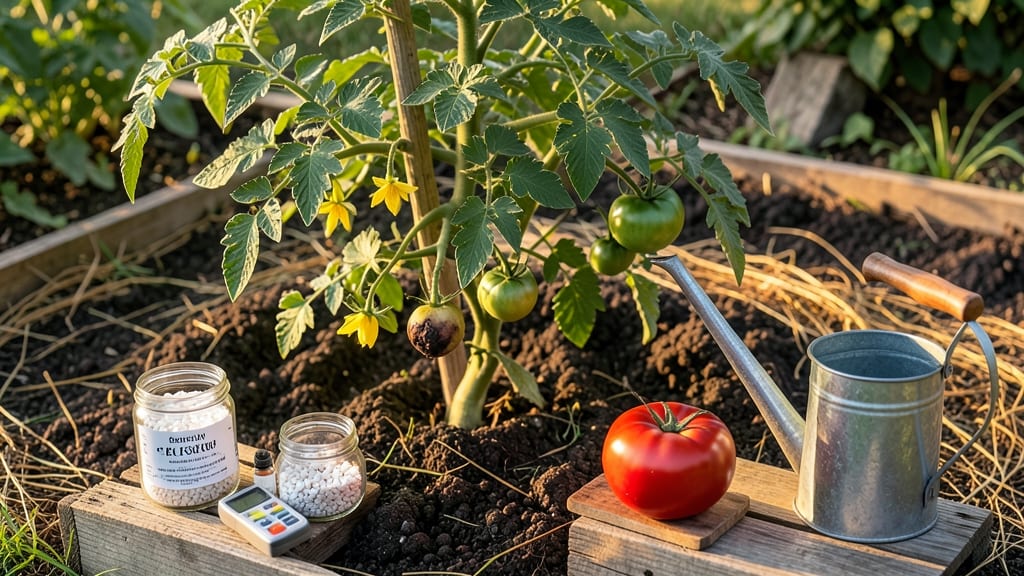
Your tomatoes are showing those telltale crisp, sunken bottoms—here’s your tomato blossom end rot treatment: calcium is the key to saving your harvest. 🌱 I’ve nursed back more than a dozen affected plants using simple fixes that actually work, not just temporary bandages.
The good news? You can reverse this damage and prevent future outbreaks with just a few targeted steps.
This problem isn’t just about watering—it’s a calcium deficiency screaming for attention. Uneven moisture, compacted soil, or even high nitrogen fertilizer can starve your tomatoes of the mineral they need to develop properly.
The first step? Consistent watering—deep, even soakings that keep roots happy without shocking them. Think 1-2 inches per week, not sporadic sprinkles.
For an immediate fix, calcium supplements are your best friend. A quick spray of diluted calcium chloride or a side-dressing of crushed eggshells (yes, those work!) gets results in 7-10 days.
Mulch with straw or grass clippings to lock in moisture and improve soil structure—your plants will thank you with plump, blemish-free tomatoes by harvest time.
Prevention is where the real magic happens. Test your soil this fall, amend with gypsum or crushed oyster shell, and stick to a balanced fertilizer (like 5-5-5) to avoid nitrogen overload. Trust me, once you’ve seen a rot-free tomato, you’ll never ignore the signs again.
Root Causes of Blossom End Rot
Blossom end rot isn’t just a random flaw in your tomatoes—it’s a cry for help from your plants, signaling an imbalance in their most basic needs. Understanding the why behind this common issue is the first step toward prevention (and saving your harvest!).
Here’s a breakdown of the key culprits, explained in plain terms with science-backed insights.
🌱 Why it happens: Tomatoes need calcium to build strong cell walls, especially in rapidly growing fruit. When the plant can’t deliver enough calcium to the blossom end (the bottom of the tomato), the cells collapse, leading to those telltale sunken, leathery spots.
But here’s the catch: calcium deficiency isn’t always about a lack of calcium in the soil. It’s more about the plant’s ability to absorb and transport it.
- Poor root uptake: Calcium must dissolve in water to move through the plant. If the soil is too dry or too wet, roots struggle to absorb it efficiently.
Think of it like a straw in muddy water—no matter how much calcium is nearby, the plant can’t "sip" it. - Rapid fruit growth: When tomatoes swell quickly (thanks to lots of water and fertilizer), they outpace the plant’s calcium supply.
The blossom end, being the farthest point from the roots, gets starved first. - Competing demands: If your plants are also producing leaves, stems, or flowers, they’ll prioritize those over fruit. Calcium gets diverted, leaving the tomatoes vulnerable.
Pro tip: 💡 Test your soil’s pH—calcium absorbs best in slightly acidic to neutral soil (pH 6.0–7.0). If your soil is too alkaline (high pH), calcium binds tightly and becomes unavailable.
💦 Why it happens: Water is the delivery system for calcium, but inconsistent watering throws the whole process off balance. Blossom end rot thrives in moisture extremes:
- Drought stress: When soil dries out, roots can’t pull up enough water (and thus calcium) to meet the plant’s needs. The blossom end shrivels as cells lose turgor pressure. - Flooded roots: Overwatering or poor drainage leads to anaerobic conditions (lack of oxygen in the soil).
Roots suffocate, calcium uptake plummets, and the plant can’t sustain fruit development. - Inconsistent watering: Imagine your plant’s roots are like a straw—if you turn the water on and off erratically, the flow becomes erratic.
Cells at the blossom end get a "feast or famine" calcium supply, leading to weak spots.
Key insight: 🌡️ Tomatoes need consistent moisture—never let the top 1–2 inches of soil dry out completely, but avoid soggy roots. Drip irrigation or soaker hoses are your best friends for even water delivery.
🧪 Why it happens: Fertilizer isn’t just fuel—it’s a balancing act. Too much of certain nutrients can block calcium uptake, even if your soil has plenty of it.
- Excess nitrogen: Nitrogen is the "growth steroid" for foliage, but it can outcompete calcium in the plant’s nutrient pipeline. Lush green leaves? Great. Calcium-starved tomatoes? Not so much. - High salt levels: Over-fertilizing (especially with synthetic fertilizers) increases soil salinity.
Salty soil makes it harder for roots to absorb water—and with it, calcium. - Potassium overload: While potassium helps fruit development, too much can interfere with calcium absorption. This is common in "high-performance" tomato fertilizers that prioritize size over quality.
Warning sign: ⚠️ If your tomato plants have dark green, rapid growth but small, deformed fruit with blossom end rot, you’re likely overdoing nitrogen or potassium.
🔥 Why it happens: Tomatoes aren’t just picky about water and food—they’re sensitive to their surroundings.
- Extreme heat: High temperatures (above 90°F/32°C) disrupt calcium movement in the plant. The blossom end can’t get the calcium it needs, even if the soil is rich.
Heat also speeds up fruit growth, overwhelming the plant’s supply. - Poor air circulation: Crowded plants or dense foliage create humid microclimates, which can lead to fungal issues and stress the plant’s nutrient transport system.
Stressed plants? They drop calcium uptake like a bad habit. - Transplant shock: Moving young tomato plants (especially from containers) can temporarily disrupt root function, reducing their ability to absorb calcium until they establish new roots.
Quick fix: 🌿 Mulch your plants to keep roots cool and moist, and prune leaves to improve airflow. If heat is an issue, opt for heat-tolerant varieties like ‘Solar Fire’ or ‘Heatmaster.’
Fixing Blossom End Rot Naturally
Blossom end rot may look like a death sentence for your tomatoes, but with the right fixes, you can save your plants—and even prevent future issues. The key is addressing the root cause (literally!) while giving your tomatoes the calcium boost they need.
Below are practical, step-by-step solutions tailored to the most common triggers, so you can turn those sad, shriveled bottoms into plump, juicy tomatoes again.
If your soil is calcium-starved, your tomatoes won’t develop properly. Here’s how to give them a quick rescue:
🍳 Quick Fix: Use Calcium-Rich Amendments - Crushed eggshells: Boil eggs, crush the shells into a fine powder, and sprinkle 1–2 tablespoons around the base of each plant.
Water well to dissolve. (Pro tip: 💡 Pre-crush shells in a blender for faster absorption!) - Epsom salt (magnesium sulfate): While not calcium, magnesium helps prevent rot by improving calcium uptake.
Mix 1 tablespoon per gallon of water and water plants at the soil line (avoid leaves). - Lime or gypsum: For a long-term fix, work 1–2 cups of garden lime or gypsum into the top 6 inches of soil per plant.
Gypsum is especially great because it won’t alter soil pH.
👨🍳 DIY Calcium Spray (Emergency Boost)
Mix 1 tablespoon of calcium chloride or calcium nitrate in a gallon of water. Spray the soil (not leaves) around the plant’s base every 3–4 days until new blossoms form. Avoid overdoing it—too much calcium can harm plants.
Inconsistent watering is a top culprit. Here’s how to keep moisture steady:
⏰ Water Deeply and Consistently - Morning watering is best: Water deeply at the base (1–2 inches per week) rather than light sprinkles.
Use a drip irrigation system or soaker hose to deliver water slowly. - Mulch like a pro: Cover soil with 2–3 inches of straw or wood chips to retain moisture and prevent temperature swings. (Pro tip: 🌡️ Mulch also keeps roots cool, reducing stress!) - Avoid wetting leaves: Water at the root zone only—wet foliage can spread disease.
🚰 Fix Drought Stress Fast
If your plants are already suffering, soak the soil until water runs out the drainage holes. For container-grown tomatoes, place pots in a tray of water for 10–15 minutes to ensure full saturation.
Extreme heat, cold, or poor soil can trigger rot. Protect your tomatoes with these tweaks:
🌡️ Manage Temperature Swings
- Shade cloth: If temps hit 90°F+, drape 30–50% shade cloth over plants for a few hours daily.
- Evening watering (last resort): If daytime heat is brutal, water in the late afternoon (but avoid wetting leaves).
- Row covers: Use floating row covers to buffer against cold snaps or wind stress.
🏡 Optimize Soil Conditions
- Test your soil: Use a DIY soil test kit (available at garden centers) to check pH (ideal: 6.0–6.8) and calcium levels.
- Aerate compacted soil: Loosen soil 6 inches deep around plants to improve root access to water and nutrients.
Once you’ve rescued your tomatoes, lock in long-term success with these habits:
| Problem | Prevention Fix | When to Do It |
|---|---|---|
| Calcium deficiency | Add crushed eggshells or lime to soil | Before planting or early season |
| Inconsistent watering | Install drip irrigation | Before first harvest |
| Extreme heat/cold | Use mulch + shade cloth | Early season setup |
| Poor soil drainage | Amend with compost or perlite | Before planting |
| Over-fertilizing (burns) | Use balanced fertilizer (10-10-10) | Every 3–4 weeks |
💡 Pro Tip: Rotate crops! Never plant tomatoes (or other nightshades like peppers/eggplants) in the same spot next year—this prevents calcium depletion and disease buildup.
With these fixes, your tomatoes should bounce back in 7–14 days, producing firm, blight-free fruit in no time. The key is consistency: calcium, water, and stable conditions. Now go rescue those tomatoes—and enjoy a bountiful harvest! 🍅✨
Frequently asked questions about blossom end rot
Why do only some tomatoes on my plant have blossom end rot?
This happens because the issue often starts with uneven calcium distribution during rapid fruit growth. The first tomatoes to form get priority, while later ones develop when the plant is already stressed. It can also occur if some fruit is shaded or grows faster than others, creating a calcium competition. Focus on consistent moisture and calcium supplements to help all tomatoes develop evenly.
Can I still eat tomatoes with blossom end rot?
Yes, but with caution! Cut off the affected area (about 1/2 inch around the rot) and use the rest. The rot itself isn't toxic, but the texture may be mealy. For best quality, remove any severely affected fruit and focus on preventing future issues with proper calcium and water management.
How quickly will my tomatoes recover after treatment?
With proper care, you'll see improvement in 7-14 days. New blossoms should develop without rot within 2-3 weeks if you've addressed the root causes. The key is consistency—keep watering evenly and maintain calcium levels. Don't expect existing rot to reverse, but future tomatoes will develop normally if conditions improve.
Is there a difference between blossom end rot and early blight?
Yes! Blossom end rot appears as dry, sunken brown spots on the blossom end (bottom of the tomato), while early blight shows as concentric circles on leaves and stems. Early blight is fungal and requires fungicides, whereas blossom end rot is a calcium deficiency issue. Check both the fruit and foliage to distinguish between them.
Will compost alone fix blossom end rot?
Compost helps, but it's not enough by itself. While it improves soil structure and provides some calcium, blossom end rot requires immediate calcium supplements. For quick results, combine compost with crushed eggshells or gypsum. The compost will support long-term soil health, but you need targeted calcium to stop the rot in current fruit.