
Plants
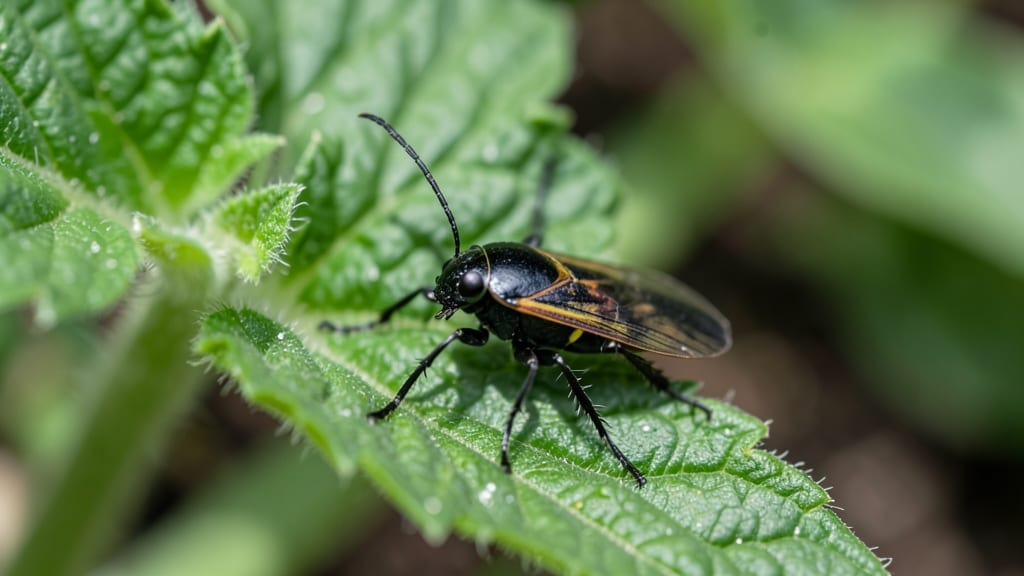
Those tiny small black bugs on the tomato plants chewing your leaves? 🌱 I’ve battled them for years, and the first step is identifying whether they’re flea beetles, stink bugs, or something else—because the fix depends on the culprit.
The damage looks like Swiss cheese on leaves, and if ignored, it weakens plants before fruit even forms.
Most of these pests thrive in dry, hot conditions, so they’re worse in summer. Flea beetles jump like tiny acrobats, while stink bugs flatten their bodies against leaves. The good news? Neem oil or soapy water sprays work fast for all three—just spray in the evening when bees aren’t active.
By next week, your plants will bounce back with fresh growth if you act now. The key is consistency: check leaves daily, remove heavily damaged foliage, and use row covers to block new infestations before they start.
If the bugs keep coming back after two treatments, it might be time for a deeper soil check—sometimes larvae hide below the surface. But for most home gardens, these organic fixes eliminate 90% of the problem without harming your harvest.
Root Causes Behind Tiny Invaders
When those minuscule black bugs start swarming your tomato plants, it’s rarely just bad luck—it’s usually a mix of environmental cues, plant stress, and natural pest behavior. Understanding why they’re there helps you disrupt their lifecycle before they turn your harvest into a buffet.
Below are the most common triggers, broken down by science and garden reality.
Tomatoes emit volatile organic compounds (VOCs) when they’re ripe, bruised, or wounded—essentially sending out a “free food” scent that pests can detect from feet away. Here’s how it plays out:
- 🍅 Ripe fruit: Black vine weevils, aphids, and even fungus gnats are drawn to sugars and fermentation smells. A single overripe tomato can attract dozens of bugs in hours.
- 💥 Physical damage: Cracks, bird pecks, or hail create entry points for pests like Liriomyza trifolii (leafminer flies), whose larvae burrow into soft tissue.
- 🌿 Decaying leaves: Dropped or yellowing foliage releases ammonia and other compounds that mimic rotting fruit, luring scavengers like Blissus leucopterus (chinch bugs).
💡 Pro Tip: Harvest tomatoes before they fully ripen indoors, and remove fallen fruit daily to break the scent trail. Prune damaged leaves to deny pests their first clue.
Small black bugs thrive in specific weather windows—usually when temperatures hover between 70–85°F (21–29°C) and humidity stays above 60%. Here’s why:
| Pest Type | Ideal Conditions | Why It Attracts Them |
|---|---|---|
| Fungus gnats (sciarid flies) | 75–80°F (24–27°C), 70%+ humidity | Moist soil speeds up larval growth; adults swarm to lay eggs in damp mulch. |
| Stink bugs (e.g., Nezara viridula) | 80–90°F (27–32°C), dry heat | They seek out stressed plants after a heatwave, when tomato defenses weaken. |
| Black aphids (Aphis gossypii) | 65–75°F (18–24°C), cloudy days | Cooler temps slow plant sap flow, making aphids’ favorite meal easier to extract. |
✨ Actionable Fix: Use row covers during heatwaves or install soil moisture sensors to avoid overwatering. Early morning watering (before 10 AM) lets soil dry faster, discouraging gnats.
When tomato plants are nutrient-deficient or over-fertilized, their chemical defenses drop, making them prime targets. Here’s the breakdown:
- 💀 Nitrogen deficiency: Yellowing leaves (chlorosis) signal weak growth, attracting aphids and whiteflies, which thrive on stressed phloem sap.
- 🌱 Phosphorus/potassium imbalance: Too much nitrogen + not enough P/K leads to soft, sugary stems, perfect for hornworms and cutworms to chew.
- 🍄 Fungal soil pathogens: Compromised roots (from Fusarium or Verticillium) attract root-feeding beetles like black vine weevils, which mistake sick plants for easy meals.
🔥 Soil Test First: Send a sample to your local extension office. Aim for a balanced NPK ratio (e.g., 5-10-10) and amend with compost or mycorrhizal fungi to boost natural resistance.
Healthy gardens have a natural pest-control network. When you disrupt it—whether by overusing pesticides, removing “weeds,” or eliminating ground cover—you’re essentially inviting tiny black bugs to move in. Key disruptors:
- 🚫 Missing predator species: Ladybugs, lacewings, and parasitic wasps keep aphid/whitefly populations in check. If you’ve sprayed neonicotinoids, these helpers won’t return for years.
- 🌿 Monoculture planting: Tomato-only gardens lack diversity, so pests like leafminers have no alternative hosts to migrate to.
- 🏡 Human habitat encroachment: Paved driveways or plastic mulch create heat islands, forcing pests like chinch bugs to seek cooler, shadier tomato canopies.
🎯 Fix It Now: Plant companion flowers (e.g., marigolds, dill) to attract predators, and leave some “weeds” like clover for beneficial insects. Avoid synthetic pesticides—opt for kaolin clay or neem oil instead.
How to Fix Tiny Tomato Plant Invaders
Got those pesky tiny black bugs wreaking havoc on your tomato plants? 🌱🐞 Don’t panic—there are effective, organic solutions to kick them out for good. Below, we break down cause-specific fixes, from quick fixes to long-term prevention, so you can keep your tomatoes thriving without harsh chemicals.
Before grabbing a spray bottle, confirm the culprit (see our pest ID guide).
Most small black bugs on tomatoes fall into these categories: - Aphids (soft-bodied, clustered) - Flea beetles (tiny, jumping, leave holes) - Stink bugs (shield-shaped, slightly larger) - Fungus gnats (delicate, fly around soil) - Sap-sucking mites (almost invisible, webbing)
Once you know who’s crashing your tomato party, pick the right fix.
🔪 Hand-Picking & Physical Barriers
Best for: Aphids, stink bugs, larger beetles - Morning raids: 🕰️ Check plants early when bugs are sluggish.
Drop them into soapy water (1 tsp dish soap + 1 gallon water). - Sticky traps: Place yellow sticky cards near plants to catch flying pests like fungus gnats. - Row covers: Use floating fabric row covers (like Agribon) to block beetles and mites while allowing sunlight and water through.
💦 Water & Soap Sprays (Safe & Fast)
Best for: Aphids, fungus gnats, soft-bodied pests
- Blast ‘em away: 💦 Use a strong stream of water from a hose to knock off aphids and eggs.
- Insecticidal soap: Mix 1.5 tbsp castile soap + 1 tsp vegetable oil + 1 quart water.
Spray directly on bugs (avoid hot sun—it can burn leaves). Reapply every 3–5 days. - Neem oil spray: 🌿 1 tsp neem oil + 1 tsp mild soap + 1 quart water. Shake well and spray evenly on leaves (including undersides).
Works as a repellent and growth disruptor for mites and beetles.
🌱 Beneficial Predators (Nature’s Cleanup Crew)
Best for: Long-term control of aphids, mites, and fungus gnats
- Ladybugs: Release 1,000+ ladybugs per 100 sq ft—they love aphids. 🐞 Pro tip: 💡 Buy them in the morning (they’re less likely to fly away).
- Lacewings: Their larvae devour aphids and mites.
Hang lacewing egg cards near plants. - Nematodes (beneficial): Water soil with heterorhabditis bacteriophora nematodes to kill flea beetle larvae and fungus gnats. - Praying mantises: Install a mantis egg case in spring—they hunt beetles and stink bugs.
Best for: Preventing future infestations A healthy plant is less appealing to pests. Try these preventative power moves:
| Problem | Solution | How to Do It |
|---|---|---|
| Poor drainage | Improve soil aeration | Mix in compost + perlite before planting. Avoid overwatering. |
| Over-fertilized plants | Reduce nitrogen (attracts aphids) | Switch to balanced fertilizer (5-5-5) or compost tea. |
| Weak plants | Strengthen with silica & potassium | Spray kelp meal tea or use wood ash (sprinkle lightly around base). |
| Compacted soil | Encourage beneficial microbes | Top-dress with mulch (straw or shredded leaves) to deter fungus gnats. |
If the bugs keep coming back, escalate with these targeted strategies:
🔥 Diatomaceous Earth (DE) for Crawlers
Best for: Flea beetles, mites, fungus gnat larvae
- Food-grade DE only! 🚫 (Avoid breathing it—wear a mask.)
- Apply lightly to soil surface or under leaves (it’s abrasive to bugs but harmless to plants).
- Reapply after rain—it loses effectiveness when wet.
🍄 Beer Traps for Fungus Gnats
Best for: Fungus gnat adults
- Fill a small container with beer or apple cider vinegar.
- Bury it up to the rim in the soil. Gnats drown in 24 hours.
- Refresh every 3–4 days.
🌿 Companion Planting
Best for: Deterring beetles and stink bugs
- Plant basil, marigolds, or nasturtiums near tomatoes—they repel pests with strong scents.
- Garlic & chives in the garden confuse stink bugs and aphids.
Once you’ve won the battle, lock in those wins with smart prevention:
- 💡 Rotate crops—don’t plant tomatoes in the same spot yearly (breaks pest life cycles).
- 🌡️ Monitor soil moisture—overwatered soil = fungus gnat paradise.
- 🕰️ Inspect new plants before bringing them home (quarantine for 1–2 weeks).
- 🌿 Use reflective mulch (aluminum foil or silver plastic) to confuse beetles and repel whiteflies.
Final Pro Tip: 🎯 Act fast—small infestations are easier to eliminate than full-blown colonies. Check your plants weekly, especially undersides of leaves and new growth. With these tricks, your tomato plants will be bug-free and bountiful in no time! 🍅💪
Frequently asked questions
Are those tiny black bugs on my tomato plants harmful to my harvest?
Yes, they can be! Most small black bugs like flea beetles or aphids damage leaves first, but severe infestations weaken plants and reduce fruit production. Flea beetles create shotgun-like holes in leaves, while aphids suck plant sap, causing stunted growth. Act quickly to protect your tomatoes.
How do I tell if the bugs are flea beetles vs. stink bugs?
Flea beetles are tiny (1/16 inch), jump when disturbed, and leave small holes in leaves. Stink bugs are larger (1/2 inch), shield-shaped, and flatten against leaves. Check undersides of leaves—flea beetles hide in soil during the day, while stink bugs stay on plants.
Will neem oil kill these bugs, or just repel them?
Neem oil works as both a repellent and killer! It disrupts bugs' life cycles by interfering with molting in larvae and affecting adult reproduction. For best results, spray evenly on leaves (including undersides) every 5-7 days until infestation clears—it takes 2-3 applications for full effect.
Can I use dish soap spray on my tomato plants?
Yes, but use it carefully! Mix 1 tsp mild dish soap + 1 quart water and spray directly on bugs (avoid hot sun). This breaks their protective coating. Reapply every 3-5 days—it won't harm plants if used properly, but don't overdo it (can dry leaves). Best for aphids and soft-bodied pests.
How long until my tomato plants recover after treating for bugs?
Recovery time depends on the infestation level. With early treatment, new growth appears in 3-5 days and full recovery in 2-3 weeks. Severe damage may take longer—focus on removing damaged leaves and keeping plants healthy with balanced fertilizer. Monitor daily for new pests.