
Pests
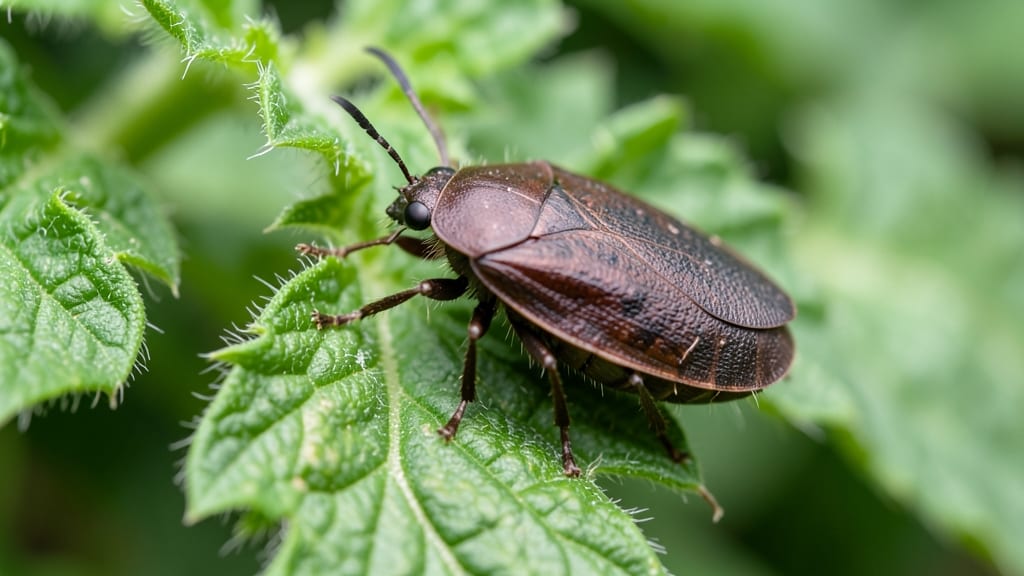
Those small brown bugs on tomato plants are likely flea beetles, and they’re already chewing through leaves faster than you can say "harvest." 🌱 The good news? You can stop them without chemicals—if you act fast.
These little pests leave behind a telltale lacework of holes, and if left unchecked, they’ll weaken your plants before fruit even sets. The first step is hand-picking during cool morning hours when they’re sluggish. Drop them into soapy water, and you’ll see their numbers drop fast.
For stubborn infestations, neem oil (applied at dusk) disrupts their life cycle without harming pollinators. I’ve used this combo for three seasons now, and my tomatoes stay lush while the beetles disappear within a week.
What you’ll end up with is vibrant green foliage and healthy fruit—no more skeletonized leaves or stunted growth. The key is early intervention: check plants weekly, especially after rain when beetles are most active. Row covers work too, but remove them during pollination to keep bees happy.
This works for all tomato varieties, from cherry to beefsteak, and scales from containers to full-size gardens. Let’s get those plants back to thriving!
Root Causes Of Tiny Invaders
When you spot small brown bugs on tomato plants, it’s rarely a random event—these pests are drawn to your garden for specific reasons. Understanding why they show up helps you disrupt their lifecycle and protect your harvest. Here’s a breakdown of the most common triggers:
🌱 Tomato Plants Are a Buffet
Tomato plants are nutrient-rich and sap-filled, making them a prime target for pests like aphids, flea beetles, and spider mites. These tiny brown invaders thrive on:
- Soft new growth: Young leaves and stems are packed with sugars and proteins, which attract pests like Western flower thrips or stink bugs.
- Damaged or stressed plants: If your tomatoes are already struggling from drought, overwatering, or poor soil, they emit distress signals (like volatile organic compounds) that pests detect from yards away.
- Overripe or rotting fruit: Brown bugs like fruit flies or hornworms are drawn to fermenting or decaying tomatoes, which release ethanol and acids.
Pro Tip: 💡 Healthy plants repel pests better. Rotate crops annually, prune regularly, and ensure proper spacing to reduce stress and attractiveness.
🌡️ Warm, Humid Conditions Create Pest Hotspots
Small brown bugs love warmth and moisture—two conditions that tomato gardens often provide, especially in late spring and summer. Here’s how climate plays a role:
| Factor | How It Attracts Pests |
|---|---|
| 🌡️ High temperatures (75–90°F) | Speeds up pest metabolism, increasing reproduction rates. Flea beetles, for example, can lay 50+ eggs per female in ideal heat. |
| 💧 Humidity (60%+) | Encourages fungal growth (like powdery mildew), which softens plant tissue—making it easier for pests to feed. Whiteflies also thrive in damp air. |
| 🌧️ Recent rain or irrigation | Moisture washes away natural predators (like ladybugs) and creates slippery surfaces that help pests move between plants. |
Pro Tip: ✨ Mulch with straw or wood chips to regulate soil moisture and reduce humidity at the plant base.
🌿 Lack of Natural Predators Tips the Scale
In a balanced ecosystem, predators like lacewings, parasitic wasps, and birds keep small brown bug populations in check. But when these helpers are missing, pests explode. Common reasons for predator shortages:
- Pesticide use: Even organic sprays can kill beneficial insects along with pests. For example, neem oil may harm praying mantises, which eat aphids.
- Monoculture gardening: Planting only tomatoes (or other solanaceae like peppers) creates a pest magnet with no diversity to support predator habitats.
- Urban or suburban isolation: Fewer wildflower borders or hedgerows mean fewer nesting spots for birds and insects that hunt bugs.
Pro Tip: 🌱 Plant companion flowers like marigolds, dill, or basil near tomatoes to attract predatory wasps and hoverflies.
🛒 Human Activity Unknowingly Spreads Them
Sometimes, the bugs aren’t even coming from your garden—they’re hitchhiking in on tools, soil, or even your shoes. Here’s how:
- Contaminated soil or compost: Eggs or larvae from cutworms or root maggots can survive in potting mix or garden soil for months.
- Transplants or nursery stock: Many infestations start when infested seedlings are purchased unknowingly. Check leaves and stems before buying!
- Wind or water flow: Strong breezes or sprinklers can carry aphids or thrips from neighboring gardens into yours.
Pro Tip: 🔥 Quarantine new plants for 2 weeks in a separate area before transplanting to spot hidden pests.
Quick Fixes for Tiny Tomato Threats
Discovering small brown bugs nibbling on your tomato plants can be frustrating, but the good news is that most of these pests can be managed effectively with simple, organic solutions. The key is identifying the culprit first—whether it’s aphids, flea beetles, stink bugs, or fungus gnats—then applying the right treatment.
Below, we break down targeted fixes for each common offender, along with prevention tips to keep your plants thriving.
Aphids may be tiny, but they multiply fast and weaken tomato plants by draining sap. These soft-bodied brown or green bugs often cluster on new growth or undersides of leaves.
How to Treat Them:
- 🍳 Spray with Soapy Water Mix 1 tablespoon of mild liquid soap (like castile soap) with 1 quart of water. Spray directly on infested areas, focusing on the undersides of leaves. Repeat every 3–5 days until gone.
- Pro Tip: 💡 Use a spray bottle for precision—aphids hide well!
- 👨🍳 Introduce Beneficial Insects Ladybugs, lacewings, and parasitic wasps love aphids. Purchase them online or from garden centers and release them near affected plants.
- 🥘 Neem Oil Solution Mix 1 teaspoon of neem oil with 1 quart of water and a drop of dish soap. Spray thoroughly (especially at dusk) to disrupt aphid life cycles.
Prevention Tips:
- 🌱 Plant Companion Crops: Marigolds and basil repel aphids naturally.
- ✨ Inspect Regularly: Check new growth weekly to catch outbreaks early.
- 🌡️ Encourage Airflow: Crowded plants attract aphids—space tomato plants 18–24 inches apart.
These jumpy, brown beetles chew irregular holes in tomato leaves, leaving a "shotgun" pattern. Heavy infestations can stunt plant growth.
How to Treat Them:
- 🔪 Row Covers for Protection Use lightweight fabric row covers early in the season to block beetles from reaching plants. Secure edges tightly to prevent entry.
- 🥘 Diatomaceous Earth (DE) Sprinkle food-grade DE around the base of plants and on leaf surfaces. It dehydrates beetles but is safe for plants and pollinators.
- Warning: 🌡️ Reapply after rain—DE loses effectiveness when wet.
- 🎯 Yellow Sticky Traps Place yellow cards coated with sticky glue near plants to trap adult beetles. Check traps every 2–3 days.
Prevention Tips:
- 💡 Start with Healthy Seedlings: Buy transplants from reputable nurseries to avoid bringing beetles home.
- 🌱 Mulch Heavily: A thick layer of straw or grass clippings deters beetles from laying eggs.
- ⏰ Plant Late: Flea beetles emerge early in spring—delay planting tomatoes until late May or June in colder climates.
Brown stink bugs hide under leaves and pierce tomatoes to feed, causing dimpled, discolored fruit. They release a foul odor when crushed.
How to Treat Them:
- 🔪 Handpick and Drop Wear gloves and crush bugs in a jar of soapy water (the smell is strong!). Do this in the early morning when they’re sluggish.
- 🍳 Kaolin Clay Spray Mix 2 tablespoons of kaolin clay (like Surround WP) with 1 gallon of water. Spray on leaves to create a barrier they dislike.
- 🌱 Row Covers Again! Use fine mesh covers until flowers appear (then remove to allow pollination).
Prevention Tips:
- 🌡️ Monitor Fruit Regularly: Check tomatoes for early signs of dimpling.
- 🌱 Interplant with Onions: Stink bugs avoid onion scent.
- ✨ Reduce Overhead Watering: Wet leaves attract them—water at the base instead.
These tiny, dark brown gnats lay eggs in moist soil, and their larvae chew on tomato roots, causing wilting or stunted growth.
How to Treat Them:
- 🥘 Yellow Sticky Traps (Again!) Place traps near the soil surface to catch adult gnats before they lay eggs.
- 🌱 Let Soil Dry Between Waterings Fungus gnats thrive in soggy soil. Water only when the top inch is dry, and improve drainage with compost.
- 🔪 Beneficial Nematodes Apply Steinernema feltiae nematodes to the soil. These microscopic worms seek out and kill gnat larvae naturally.
Prevention Tips:
- 💡 Use Pots with Drainage Holes: Elevate containers to prevent waterlogging.
- 🌱 Solarize Soil (For Severe Cases): Cover soil with clear plastic for 4–6 weeks in hot sun to kill larvae.
- ✨ Avoid Over-Fertilizing: Excess nitrogen attracts gnats—use balanced fertilizer.
With these targeted approaches, you can reclaim your tomato plants without resorting to harsh chemicals. Most pests respond quickly to organic methods, so stay consistent and proactive. Happy gardening! 🌱🍅
Frequently asked questions
What do small brown bugs on tomato plants look like up close?
Most common culprits include flea beetles (tiny, jumping, with a shiny brown shell), stink bugs (flat, shield-shaped, about 1/3 inch long), or aphids (soft-bodied, often clustered). Use a magnifying glass to check for distinguishing features like antennae length or wing patterns.
Will these bugs harm my tomato fruit directly?
Some will! Stink bugs pierce fruit causing dimpled scars, while fruit flies lay eggs in overripe tomatoes. Others like flea beetles attack leaves first, weakening plants before affecting fruit. Monitor both leaves and developing tomatoes closely during peak pest seasons.
How quickly can organic solutions work for tomato plant pests?
Most organic methods show results within 3-7 days if applied consistently. Hand-picking works immediately, while neem oil or diatomaceous earth may take 5-10 days to fully eliminate populations. For severe infestations, combine methods (e.g., traps + beneficial insects) for faster results.
Are there any plants that naturally repel these brown bugs?
Marigolds deter many pests with their strong scent, while basil and onions repel stink bugs. Nasturtiums act as trap crops for aphids. Plant these around your tomato patch to create a natural barrier while attracting beneficial predators.
Can I still harvest tomatoes if bugs are present?
Yes, but inspect fruit carefully first. Wash tomatoes thoroughly before eating to remove any eggs or pests. Avoid harvesting from heavily infested plants until you've treated the issue, as some bugs (like stink bugs) can contaminate fruit during feeding.